November 2021 Upcoming Events
Join us TOMORROW in the ELP Lounge!
Read More


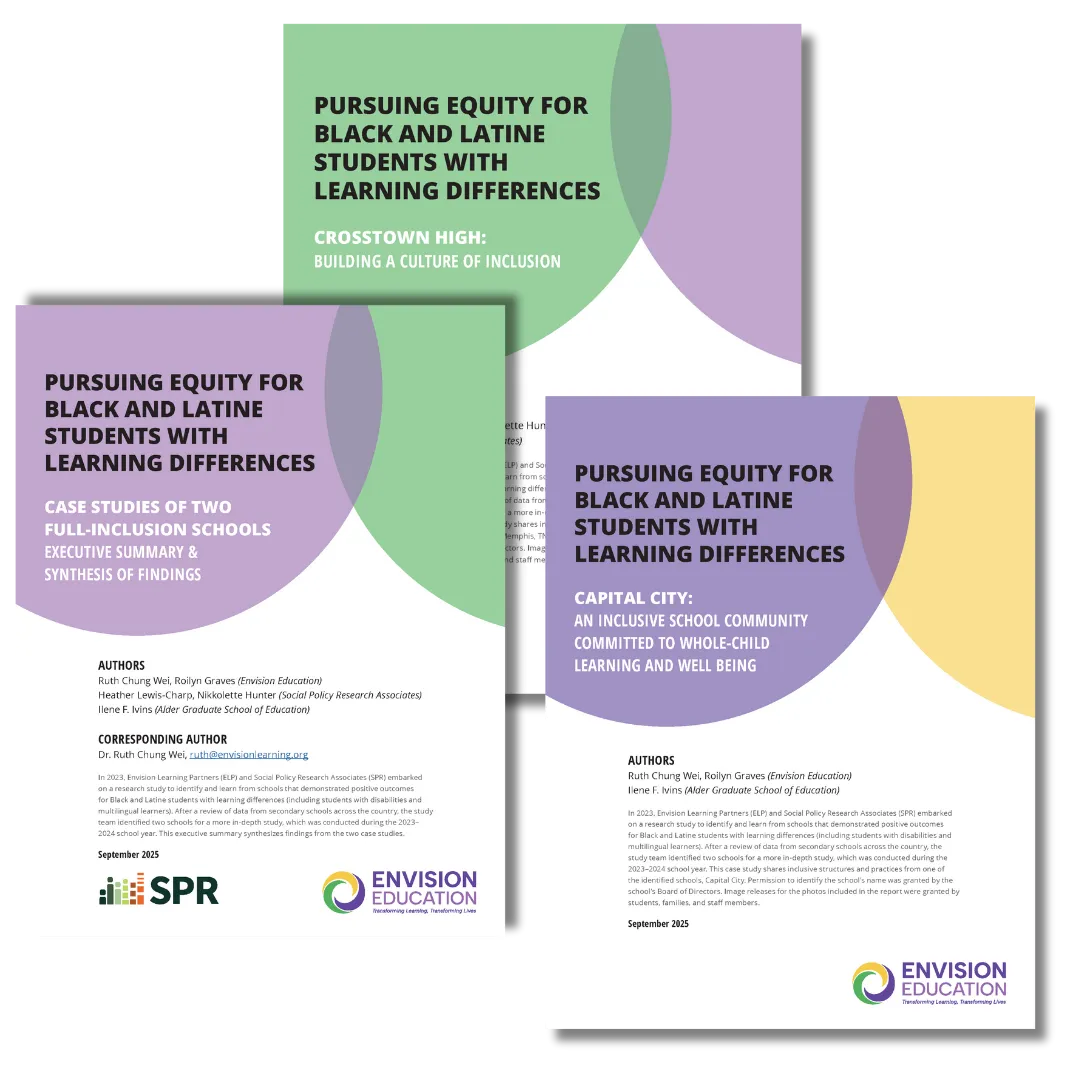
Envision Education is excited to share the culmination of its two-year research project, Pursuing Equity for Black & Latine Students with Learning Differences, which
documents and illustrates the systems, practices, cultures, and supports that are associated with the well being and success of Black and Latine students with learning differences – students with disabilities and multilingual students with disabilities.
In 2023, Envision Learning Partners (ELP) and Social Policy Research Associates (SPR) embarked on a research study to identify and learn from schools that demonstrated positive outcomes for Black and Latine students with learning differences (including students with disabilities and multilingual learners). After a review of data from secondary schools across the country, the study team identified two schools for a more in-depth study, which was conducted during the 2023–2024 school year.
The results of the research are shared through case studies of the two schools that were the focus of the research: 1) Crosstown High: Building a Culture of Inclusion; 2) Capital City: An Inclusive School Community Committed to Whole-Child Learning and Well Being; and 3) An Executive Summary/Synthesis of Findings.
In addition, we have authored four practice briefs based on the findings of the research that provide practical steps that schools can take to create more inclusive environments that support the success of Black and Latine students with learning differences.
This research was made possible through the generous support of New Profit, a venture philanthropic organization, and the Oak Foundation.
Join us TOMORROW in the ELP Lounge!
The ELP Lounge will offer time to share stories, thought partnership with peers, or just the chance to throw up your hands and say, am I the only one experiencing this??? Plan to stop in and slow down to connect, share, learn, & heal. We can’t wait to see you.
Thursday, November 18th, 4:00-5:00pm PT (7:00-8:00pm ET)
Click here to grab your free ticket!
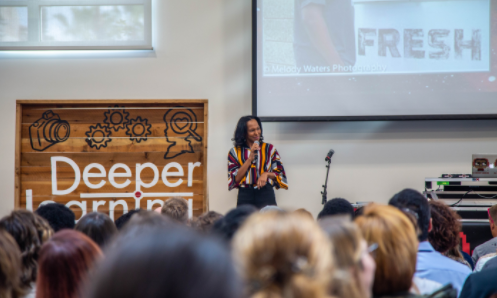
Deeper Learning Conference 2022
Share space with change-makers like you who are in search of a collective experience to highlight current triumphs and challenges, leverage student voice, and move from aspiration to action.Happening in-person and virtually, March 29th-31st, 2021. Get your tickets here.
More details about ELP’s sessions to come!
What experiences brought you to ELP?
I first learned about ELP as a client when working at ARISE High School in Oakland, CA. We were building out new graduate student profiles/senior defenses, as my team

While working with ELP, I am hoping to continue to gain knowledge on how to work with a variety of partners to achieve common goals around bettering the quality of education for our youth. I’ve been on the other side as a client, and I am excited to really dive into the ways of leading this work as an assessment design partner. I am also excited about having the opportunity to lead virtual workshops that can potentially reach the world (s/o to Vinci who had someone from out the country in her last workshop!).
I am SO excited to be a part of this team! Even before I started on my first day, I felt accepted, appreciated, and valued. The fact that I am surrounded by so many knowledgeable and wise educators with a breadth of experience has already begun to excite me even more so about this work. There is a lot of passion and dedication, as well as a strong focus on equity and cultural responsive practice which definitely aligns with my work morals/ethics. And, I’m always excited to grow myself as an educational leader, and I know that’s going to happen here with ELP!
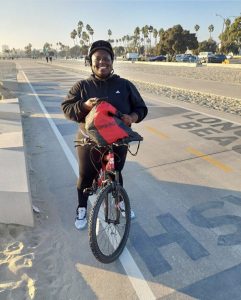
When I’m not working, I’ve been enjoying learning about, and exploring Long Beach/SoCal! I just moved down here in March, and there is so much to do! Aside from exploring, I love to listen to music; sing, dance, zone out, etc. I have been reclaiming my love for exercise, and have been kickboxing and bike riding as well. I just recently got back into art, so I’ve been painting too! Then there’s: time with my family and partner, catching up with friends, sports (playing and watching), watching anime, meditation and breathwork, reading, journaling, amateur photography…I like to do A LOT when I have time!
Fun fact: Current ELPer, Ruth Chung Wei and I discovered that her nephew is my kickboxing coach here in Long Beach! =)
It’s with heavy hearts, that we announce that Morgan Vien is moving away from her role at ELP as an Assessment Design Partner (aka Deeper Learning Coach).
Being a Deeper Learning Coach with ELP was nothing short of a gift. As an organization, we have such deep and expansive relationships both with the assessment community and with those centered around doing student-centered learning. It is because of those relationships and good work, that being on this team has afforded me the opportunity to work closely with, and to support systems leaders and communities across the country. It is a powerful perspective to know and value rigor, while being able to innovate and move the dial on making change— and this team has that.
My two favorite projects have been co-facilitating the Deeper Learning Leadership Forum and being a core designer of the Assessment for Learning Conference. Each for different reasons, but alike they both seek to gather eager and ready leaders, who are actively working to make change in their communities and who want to learn from others who are pushing the boundaries of what school can be. I thrive at that precipice- working with those who are ready to push, build and transform. I have so much gratitude for all of the brilliant minds, vulnerable leadership and care that I have been around during my time at ELP.
I am super stoked to write this new chapter and head towards an opportunity that I just could not pass up. I am co-founding a design thinking collaborative called, Design for Emergence. We are a cadre of design thinkers. Through liberatory design and an emergent strategy, we help systems get clear on where they are headed, stay agile in their approach and use human-centered design to solve complex problems. We work both in and adjacent to the education space. While bringing this vision to life, I am also collaborating on the K12 Lab team, at the d.school at Stanford, where we are working to imagine the role of Futures Thinking in education.
By Dr. Sabrina “Bri” Moore
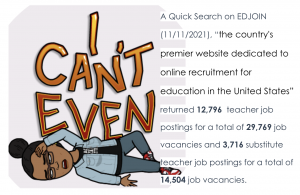
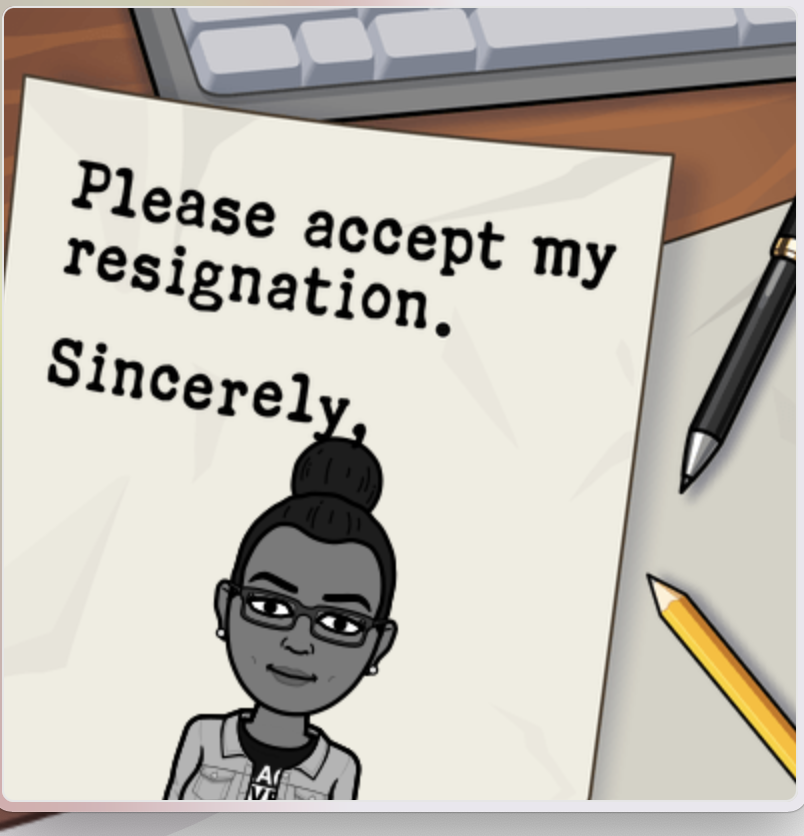
As a former student, teacher and principal and current director in education, I have a question. Am I the only one wondering how THE GREAT RESIGNATION will impact an already exacerbated teacher shortage? If I am alone in this wondering, please do not keep reading. If, however, like me, you’ve seen the statistics that say over 4 million and growing individuals have decided to leave their jobs for greener pastures and you remember what it was like when you or someone you know became an overnight homeschool educator; then you’re still reading.
According to Jill Tucker of the S.F. Chronicle, the pandemic ushered in unprecedented numbers of teachers retiring from the profession, “a survey found that 62% of [retired teachers] … decided to retire earlier than they had planned to.” This blog post is my meager attempt to plead with and support all teachers and educators to stay in your job; whatever you do, do not resign. You are needed and greatly appreciated. Nothing about teaching and leading is schools has ever been simple or easy. In fact after the last few years we have had, I can say with certainty, I am not alone in my belief that teaching and leading in schools is not for the faint of heart. Daily educators wear the hats of many as they impart knowledge and provide conditions that support student learning and social emotional wellbeing; sometimes without consideration of their own. Compound this with wearing masks, staying safe and contact tracing and, I too am at a loss for words.
All that being said, educators, school folx, the people who show up for our young people each day, to you, I have a few words of wisdom for your own learning and social emotional wellbeing; do all of this and when you return in the Fall you have my word that the students you love and learning that follows good teaching will be there waiting.
The words of wisdom I will share are as follows:
If none of that works for you, fill in the blank. Pause __________________. What any therapist, counselor or coach will tell you is before making a decision that will impact your life in ever rippling ways and in the case of school educators the lives of so many others you should Pause.
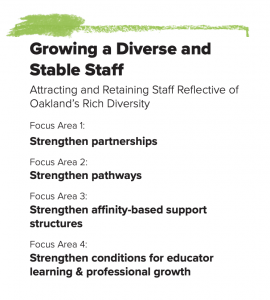
Pausing is not what we are best known for in Oakland. We [as an Oakland native I feel like I can speak for the we of us] are known for leading out on the latest and greatest campaign, initiative, change, challenge or charge for social justice, civil rights, advocacy and action. We are not however known for the EPIC PAUSE. Yes I just made that up but, stay with me. I’m starting a new campaign for all educators and if you are not an educator (which is debatable; we all are in some way) you too. Until the FALL of 2022 let’s commit to the EPIC PAUSE. The epic pause is the moment we take to think deeply about our why, ask great questions, remember what it was like before the Covid-19 Crisis and what it could be like if we all banded together to build the diverse and stable staff called out in the Oakland Unified School District’s strategic plan.
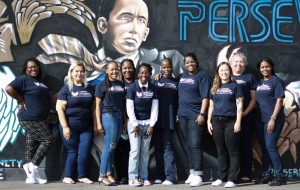
If you all commit to that, my team and I at 3Ls will commit our work, life, passion and energy to the mission of 3Ls: Literacy, Leadership and Liberation. Where we offer a “whole child” full-service community model for alternative literacy opportunities to educate and empower students, families, community members and educators, led by people within the community itself, to break cycles of illiteracy and generational poverty one neighborhood at a time. We promise to show up everyday so that every student can read, every school we serve receive quality coaching and professional development leading to better literacy, leadership and liberatory ways of being for all.
Dr. Sabrina “Bri” Moore
3Ls: Literacy, Leadership & Liberation
510-685-1329
Follow us: 3Ls on Social Media
Facebook, Twitter, LinkedIn & Instagram
Bri is also an alumni of ELP’s Deeper Learning Leadership Forum.

Performance assessments have always played a big role in my educational journey, even when I was unable to name it. As a Bilingual teacher in Chicago, I centered my teaching on performing and bringing the content to life. The traditional assessment measures were invalid and were unable to capture the pure brilliance of my students and their community. In the past three years, I’ve focused on partnering with school districts in New England to develop high quality performance assessments that promote joy and equity. Now, as an Assessment Design Partner at ELP, I’m excited to engage in deeper ways with assessment systems and Graduate Profiles.
I’m hoping to deepen my understanding of graduate profiles and how they can serve as a lever for equity for school districts. Most importantly, I’m looking forward to collaborating with the wonderful ELP team to design learning experiences that promote antiracism.
I’m most excited to work with the wonderful team at ELP and their school partners. It is energizing to work with a team that is unafraid to think outside-the-box with antiracism at the center of the work.
There are many things that bring me joy and restore my spirit. One of my top priorities is exercise- I like early morning runs or group workouts followed by an iced coffee and a relaxed afternoon by the beach. I also appreciate time with my family and friends-especially after living on the East Coast for several years. In fact, one of my favorite activities with my mom is to visit TJMaxx and browse the clothes and home decor section. It’s the little things that count.

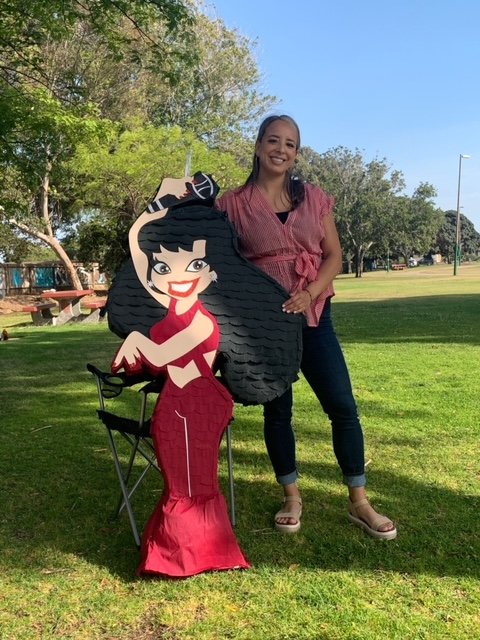
A picture with me and my beautiful family and a picture of me and my birthday piñata (Selena)!
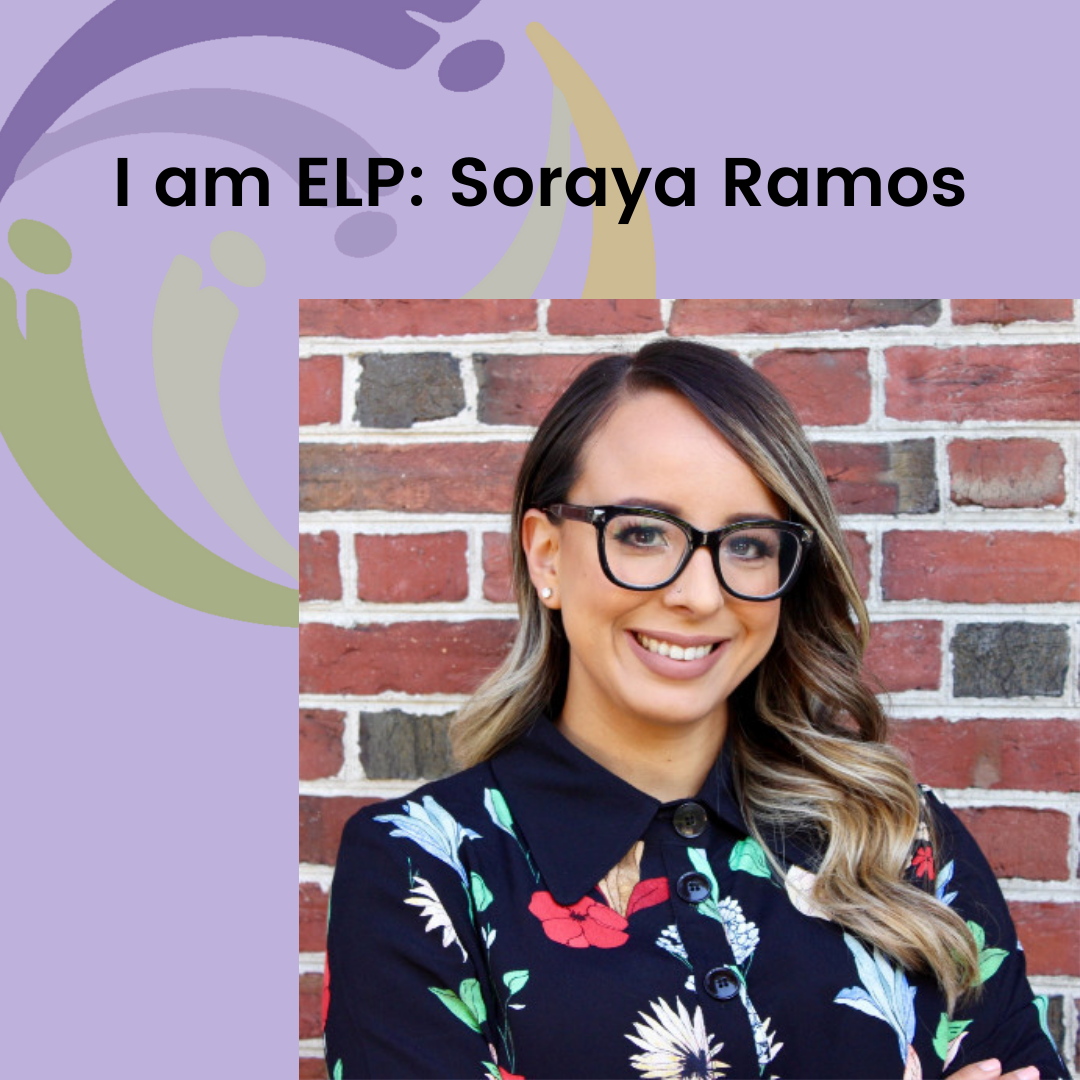
Soraya is joining the Envision team as an Assessment Design Partner. With nearly a decade of experience in education, Soraya has worked to promote and support anti-racist teaching and learning practices through her roles as a teacher and as an assessment designer. Before joining Envision, Soraya served as a Senior Associate at the Center for Collaborative Education (CCE). There she worked in partnership with schools and districts in New England and nationally to design high quality assessments and systems that promote equity and engagement. In addition to professional learning and coaching, she led a consortium of districts in Massachusetts in their pursuit of designing an alternative assessment and accountability system. Soraya believes that lasting assessment systems need to be in alignment with a community’s vision and coherent to a district and school’s priorities. Soraya holds an Ed.M. in Education Policy and Management from the Harvard Graduate School of Education and a B.A. in Chicana/o Studies and Political Science from the University of California, Los Angeles.
Design Tech High School (also known as “d.tech HS”) in Redwood City, CA was co-founded in 2014 by Ken Montgomery and Nicole Cerra, with the support of the Oracle Education Foundation, to prepare students to make the world a better place by supporting their development of “design thinking” skills and mindsets that ignite students’ empathy and passion, and expand their creative problem-solving capacities. From 2018-2020, d.tech HS staff partnered with ELP to work on the development and piloting of its Innovation Diploma performance tasks and rubrics. Ruth Chung Wei, Director of Research and Innovation, and Vinci Daro, Director of STEM Learning, provided technical assistance during the development process and evaluation of the first year pilot. The partnership culminated in an external review of the Innovation Diploma, which found overwhelmingly affirmative feedback from design experts in higher education and industry.
The Innovation Diploma is an assessment system that was designed to provide students with an opportunity to demonstrate their ability to apply mindsets and skills that are necessary to design solutions to real-world problems. The focus of the Innovation Diploma at d.tech is on addressing problems related to the United Nations Sustainable Development Goals. Students select one or more of the Sustainable Development Goals and a need that they have identified in their local context or in the world, and develop a design solution to address that problem/need. Earning the Innovation Diploma certifies that a student has met industry and academic standards for creativity, leadership, self-direction and has also demonstrated an understanding of their responsibilities as a designer.
One d.tech alumna Joelene, who is now a student at UC Berkeley, explained how her experience with design thinking in high school prepared her for college learning and work experiences.
“My time at d.tech taught me to be adaptive and creative when approaching unfamiliar situations and daunting problems, and it started building the foundations in me to approach designing and building solutions with empathy at the forefront. At UC Berkeley, I’m a designer and project leader in a student-run organization that builds technology for nonprofits. This semester, I’m leading the development of a mobile application partnered with We Care Solar, an international organization that provides life-saving solar energy to community health centers in hard to reach villages all over the world — every step of the way, I know that the principles that I’ve learned at d.tech will come in handy, from user-centered design, to a mindset of iteration and growth, to a willingness to work in initially ambiguous and new environments…Although the 5 step design-thinking process that we learned in school is rarely referenced explicitly, it’s grown to be part of the work that I do and the way I approach new challenges that arise; through practice, it’s become a natural part of my toolkit when I embark on a new project or explore a new entrepreneurial idea!”
Design Tech plans on supporting high schools around the world in offering the Innovation Diploma to their students. To learn more about the Innovation Diploma program, please visit innovationdiploma.org or contact Dr. Ken Montgomery at kmontgomery@dtechhs.org.

Meghna G. BA/MD Student at Northwestern University. Conducting antibody research to better understand social determinants that affect human health
In my experience, the design thinking process has proven to be a very powerful thought process that constantly makes me think about how I can better my surroundings. I am currently a pre-med student, which consists of a lot of studying and memorization about the world, but ironically, not a lot about how one can help the world. Therefore, I am grateful for my background in design thinking because it has ingrained within me the ability to think outside of the traditional framework of academia and to think creatively about how I can take what I’ve learned to not just solve problems on a test, but more importantly, solve problems in my community. For example, right now in college, I’ve been using design thinking as a guide to develop effective programs that work on menstrual equity and community development through art. I’m so grateful that d.tech taught me design thinking so early on, as it has become an invaluable mindset that has shown me that I have the power to make a difference at any stage of life, and that is an empowering lesson that I’ll carry forever.
Adelyn C. Freshmen at The Wharton School at Penn
I was recently offered an internship with the San Francisco Veterans Affairs Department, and I’ll be working with them from September through May to redesign the post-COVID hospital experience. The internship was supposedly directed at graduate students (the application said graduate students were preferred) but I think my unique background stood out because I did an activity session/group interview alongside four other graduate student applicants and was still selected! d.tech and my experiences with design thinking really shaped my application.
Joelene L. UC Berkeley, intern at Slack and Kleiner Perkins
My time at d.tech taught me to be adaptive and creative when approaching unfamiliar situations and daunting problems, and it started building the foundations in me to approach designing and building solutions with empathy at the forefront. At UC Berkeley, I’m a designer and project leader in a student-run organization that builds technology for nonprofits. This semester, I’m leading the development of a mobile application partnered with We Care Solar, an international organization that provides life-saving solar energy to community health centers in hard to reach villages all over the world — every step of the way, I know that the principles that I’ve learned at d.tech will come in handy, from user-centered design, to a mindset of iteration and growth, to a willingness to work in initially ambiguous and new environments. “although the 5 step design-thinking process that we learned in school is rarely referenced explicitly, it’s grown to be part of the work that I do and the way I approach new challenges that arise; through practice, it’s become a natural part of my toolkit when I embark on a new project or explore a new entrepreneurial idea!”
ELP is excited to announce that longtime team member, performance assessment expert, and champion for educational justice—Alcine Mumby—is now ELP’s Vice President of Program.
In this role, Alcine leads the delivery of ELP’s professional services, ensuring that client partners and system leaders gain the skills needed to build and sustain high-quality systems of performance assessment. She will guide our team of coaches—now known as Assessment Design Partners—so that every ELP client gets the service they need. As the VP of Program, Alcine will be ELP’s lead learner, ensuring that our service—both the what and the how—are continuously improving. (Don’t worry: Alcine will continue to lead the Deeper Learning Leadership Forum!)
Many of you are already fans of Alcine and know exactly why she is a leader in our movement to make assessment more learner-centered and just. She is a deep systems thinker, an unforgettably powerful communicator, and an unswerving believer in the potential of young people, especially the students most marginalized in our systems. Over the course of her career, Alcine has done it all: taught at pioneering programs (Fannie Lou Hamer Freedom High School in the Bronx), analyzed school outcomes data (for an Annenberg grant in NYC), founded a school as its principal (Envision Academy in Oakland), and helped to transform major urban school districts (Louisville, KY).
What vitalizes all her skill and experience is her moral vision. I sometimes call Alcine the conscience of ELP. She is as knowledgeable and passionate about performance assessment system building as anyone in the field, yet Alcine never forgets—and helps the rest of us to remember—the why of this work: justice for learners. For a glimpse of the power of Alcine’s moral vision, please see her keynote speech from the Assessment for Learning Conference.
Please congratulate Alcine on her new role when you next have the chance.
Wishing summer rejuvenation for educators everywhere,
Justin Wells, ELP Executive Director
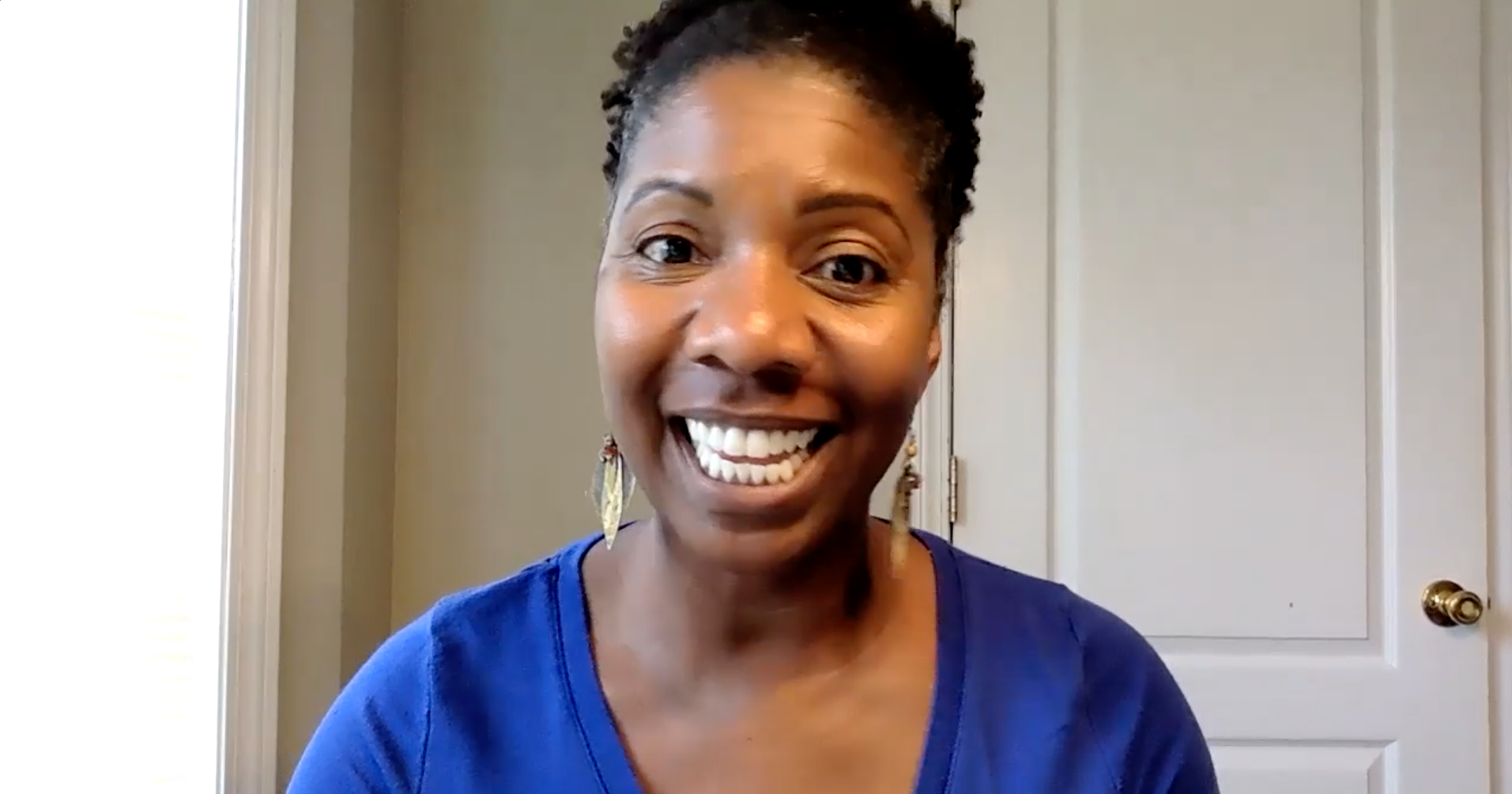
Click below for a special message from Alcine.
Click here to learn more about each of these amazing leaders.
Educators across the country are beginning this school year with incredible opportunities to continue to push on what school looks like/sounds like/feels like for all students. We know that teachers, school & district leaders, students, and parents worked tirelessly last year to meet the needs of young people in a constantly shifting set of conditions. Innovation was happening each day in zoom rooms from Maine to Hawaii. Resisting the all too-easy slide back into the way things were is hard, as the inertia of public education in the US is an incredibly powerful force. But we believe in the power of centering students, and in the possibility of designing school systems around the sets of skills that our young people need so they can go out into the world and create the lives they dream of.
Send a team of folks from your school or district to this workshop series so they can come back with inspiration and with practical tools and processes to share with your community. Choose this school year to design and begin implementing a graduate profile – there is no better time to start!
Participants will explore the value of having a Graduate Profile, develop and define a draft, and then learn how to implement and measure it once they take it back to their school, district, etc. These workshops will be led by ELP Assessment Design Partner, Abby Benedetto.
Click here a 9-minute glimpse into Session A.
Keep an eye out for this NEW three-part workshop series asks, “What kind of performance assessment experiences would we create to ensure that learners, especially those farthest from opportunity, thrive when we operationalize our current vision/profile of a graduate?”
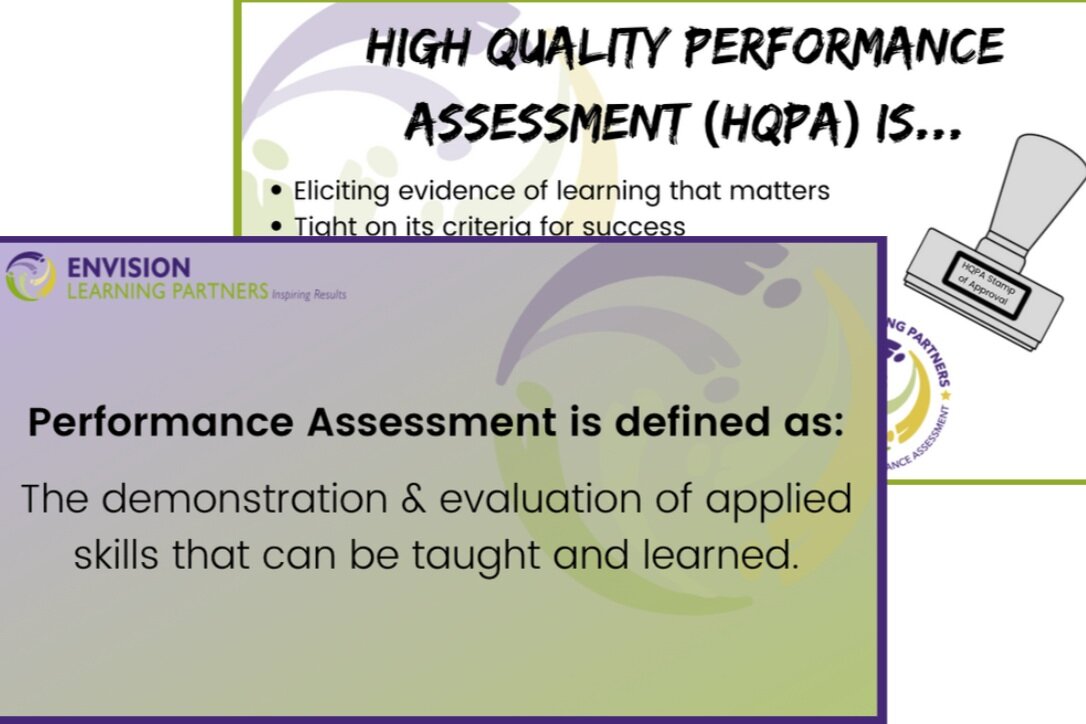
Participants will explore the different features of high quality performance assessment (HQPA) and design a prototype of a performance assessment experience that provides evidence of student learning/thinking of essential competencies. The series concludes with participants iterating on that prototype after centering the lived experience of a marginalized student your system may serve, and reflecting on the changes needed to ensure that ALL students thrive in their performance assessment system.
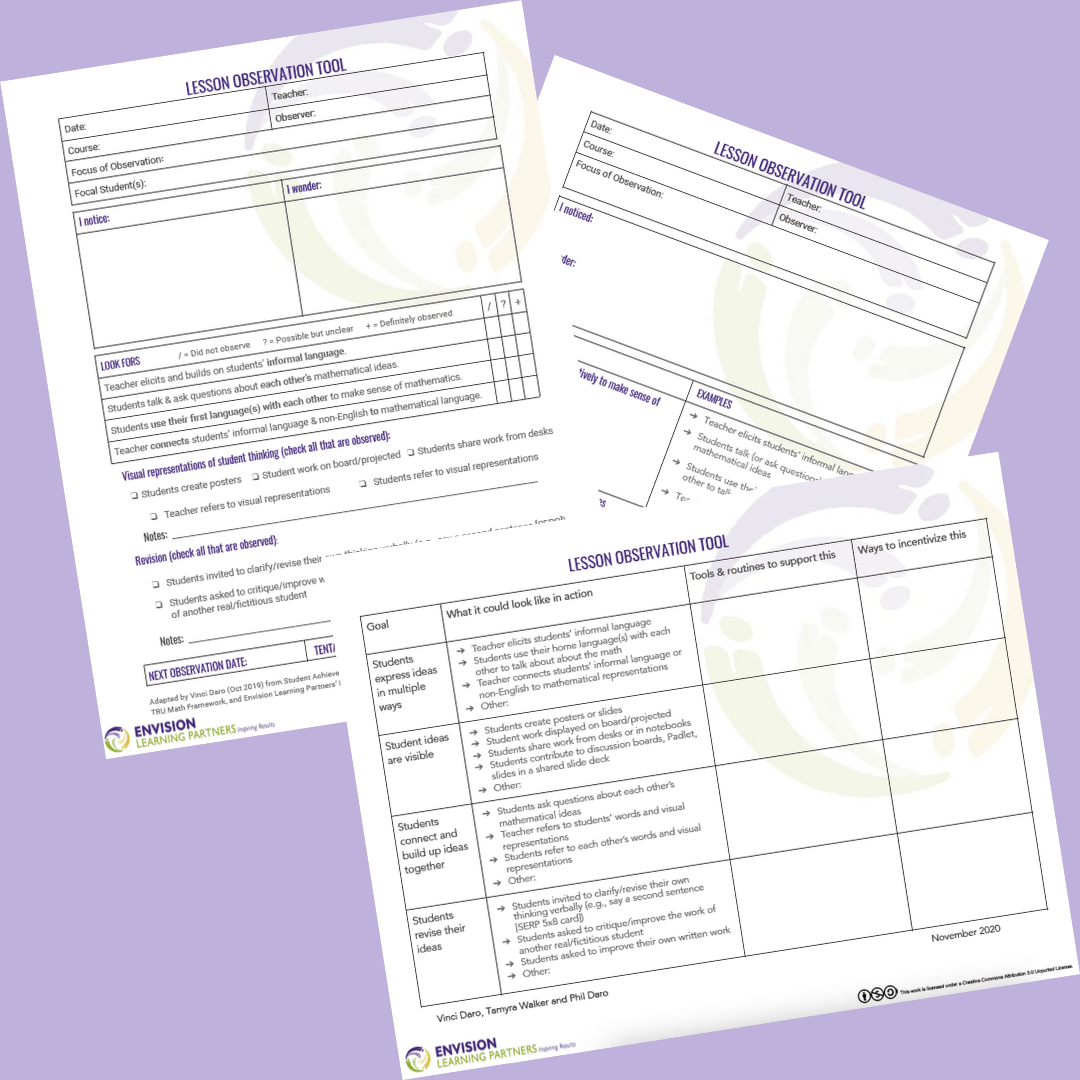
These three observation tools are intended to support ‘minimal-prep’ lesson observation in classrooms where student ideas, language, and interaction are at the center of the learning process. They were specifically designed for mathematics classrooms, but may also be useful in other contexts.
The two Lesson Observation Tools are meant as note catchers and as a manageable list of student and teacher actions to look for. In using these tools, it is important to agree with the teacher on the focus of the observation, for example: Use of instructional routines to surface and develop student ideas and language.
The Language-Rich Classrooms: Observation & Planning Tool is meant for a coach and teacher, or teacher peers, to use together for linking an observation with a conversation about planning next steps. It, too, has a list of example student and teacher actions to look for.
Click the resource button to download the editable PDFs.
Looking for even more resources? Visit the ELP blog for all past newsletter content.
The pandemic has thrust assessment into the spotlight. Everyone is talking about testing and grading. In the history of education, this is an opportune time to make things better.
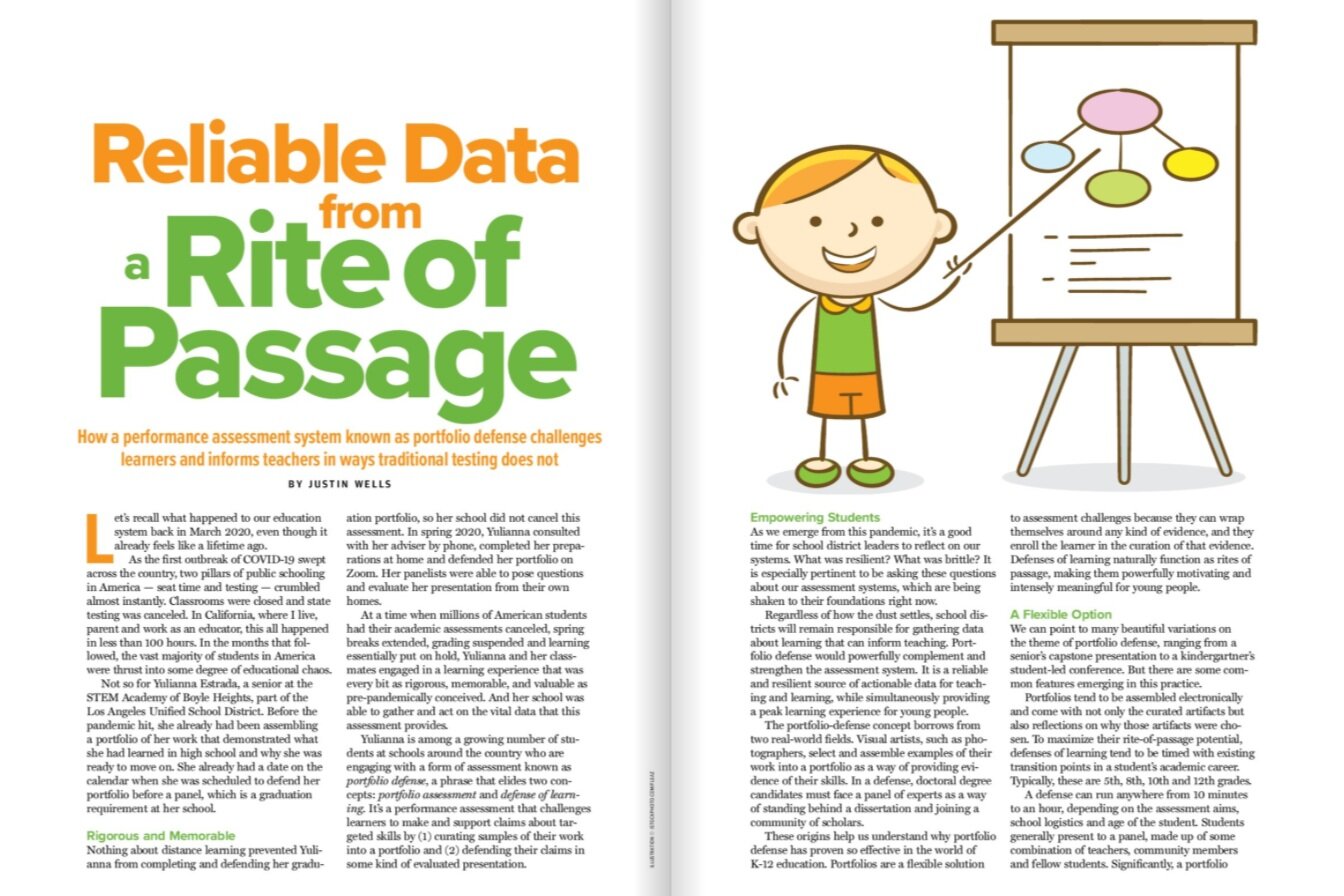
School Administrator magazine has focused its May issue on “Grading Beyond the Pandemic,” and I appreciated the opportunity to contribute an article arguing for portfolio-defense: “Reliable Data from a Rite of Passage.” A number of ELP partners are featured in the piece, including Los Angeles Unified, Pasadena Unified, Jefferson County Public Schools in Louisville, and Kamaile Academy in Hawaii (ELP’s very first client).
In that same issue, you can also read an article by ELP’s longtime partner Susan Dugle, the chief academic officer of Shelby County Public Schools in Kentucky. Shelby has been leading the way in this work for years, and the district’s performance assessment system has proven itself effective and resilient through the pandemic
Turns out that assessment systems built for learning, not for sorting, are not only more just; they also hold up in a crisis. So keep building your system. You are preparing for uncertainty while also doing right by your students.
Your fellow learner
Summer Graduate Profile Workshops
Join us for one of the consecutive 3-day workshops to build community with other educators, and to imagine the possibilities when we center systems of education around the skills that young people need in order to thrive.
Participants will explore the value of having a Graduate Profile, develop and define a draft, and then learn how to implement and measure it once they take it back to their school, district, etc. These workshops will be led by Deeper Learning Coach, Abby Benedetto.
We are also offering an additional option for a direct consultation with Abby after the session of your choice. This would be a great time to get your team’s questions answered and customized suggestions
August 24-26th, 2021 ‣ 9am-12pm PT/12-3pm ET
Designed to Thrive Workshop Series
This three-part workshop series asks, “What kind of performance assessment experiences would we create to ensure that learners, especially those farthest from opportunity, thrive when we operationalize our current vision/profile of a graduate?”
Participants will explore the different features of high quality performance assessment (HQPA) and design a prototype of a performance assessment experience that provides evidence of student learning/thinking of essential competencies. The series concludes with participants iterating on that prototype after centering the lived experience of a marginalized student your system may serve, and reflecting on the changes needed to ensure that ALL students thrive in their performance assessment system.
This workshop series is facilitated by Deeper Learning Coaches, Alcine Mumby and Abby Benedetto.
Aug 4th, 11th & 18th ‣ 9:30am-12:30pm PT / 12:30-3:30pm ET
CuriOdyssey STEMCorps
Are you a teacher interested in developing your early science teaching skills? CuriOdyssey is offering grant-funded professional development for the 2021-22 school year. This PD focuses on building comfort, competence and capacity to deliver science ed, aligned with NGSS. Learn more here.
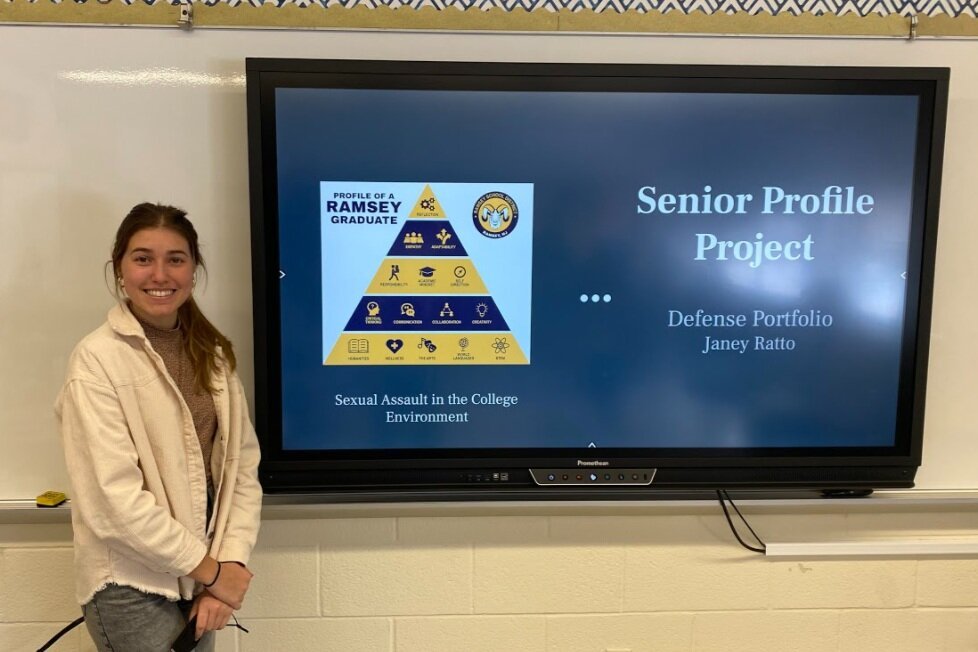
The Ramsey School District has long prided itself on preparing students for not just the modern world, but the one of the future. In January 2018, we set out to identify the top competencies that our school community named as important for a Ramsey student to possess upon graduation. Using over 1,000 survey responses from all stakeholders in the educational community, we arrived at our Profile of a Ramsey Graduate. These competencies, modeled after Coach John Wooden’s Pyramid of Success, serve as the “North Star” that guides all of our district work from PreK through Grade 12. It informs curriculum writing, teaching practices, and assessment across the district.
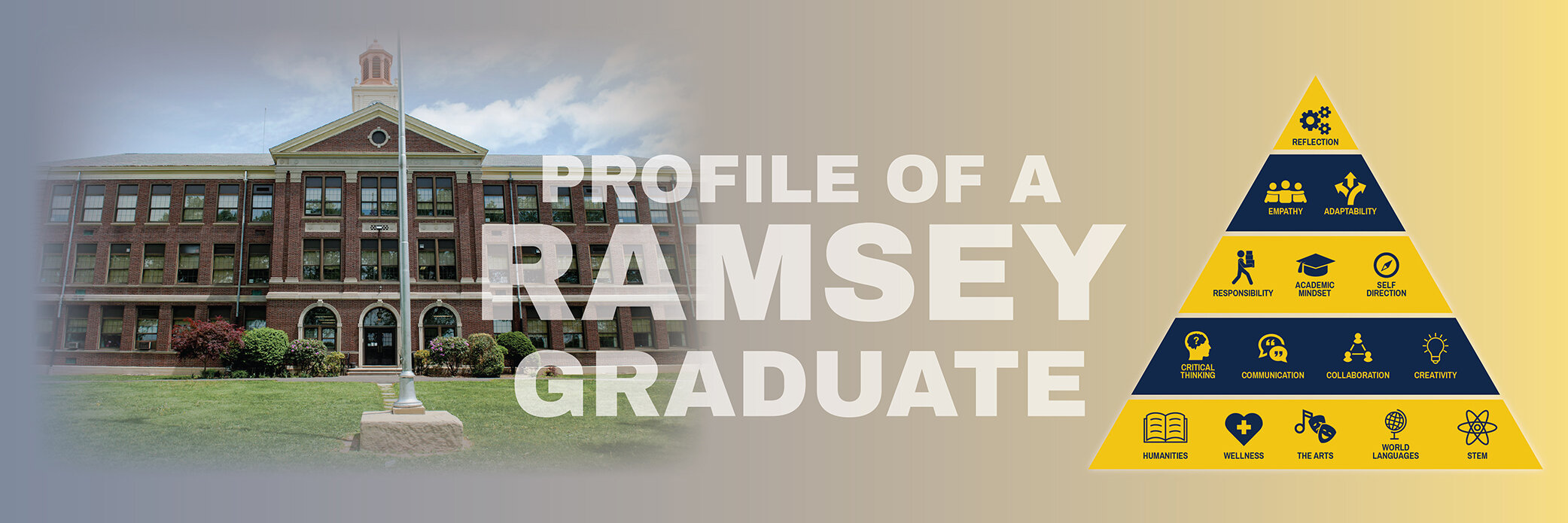
Soon after adopting the Profile of a Ramsey Graduate, the district set out to design Profile Projects to serve as capstone assessments at each culminating grade (3, 5, 8, and 12) throughout the district. Our goal was to align these cornerstone assessments with the Profile competencies to provide the students the opportunity to work towards the explicit and ambitious goals. But we really wanted to make sure the Profile became something more than just a poster that hangs on the wall. In the words of Tony Wagner, “A profile without an assessment is useless.” Our work with Envision Learning Partners transformed our approach from the collection of a body of student work to an active and interactive proof of lifelong, adaptive competencies.
Ramsey High School was in the process of designing a senior capstone project, and that gave our Grade 12 a head start. We built upon that work and, with support from international curriculum expert Jay McTighe and Envision Learners Partners, we aligned our emerging capstone to our new graduate profile. Despite the challenges of the pandemic, a group of teachers and administrators worked with Jay McTighe, Justin Wells, and Suzanne Malek to collaboratively develop new courses which, while honoring the student-driven project component, also grafted (McTighe & Curtis, 2020) a small set of discipline specific big ideas with certain Profile competencies, to create a student experience that honored our district goals of Developing a Ramsey Graduate and Teaching for Understanding As importantly, honoring equity led us to design inclusive and distinct courses that provided the opportunity for our students with special needs and English Language Learners to complete Profile Projects and Defenses of Learning as well.
The distinct Profile courses are:
Our Profile Projects ask students to draft extensive proposals, engage in research, and compile working portfolios. They navigate obstacles along the way with frequent moments of reflection and conferences with their course instructor. By Grade 12, our students are reflecting on their growth through the lens of the Profile of a Ramsey Graduate competencies. This goes far beyond our original goal of public exhibition of completed projects. Aided by Envision Learners Partners, our group realized that the effort should instead culminate with student delivery of a Defense of Learning. That more meaningful and more interactive presentation calls for students to leverage artifacts and reflections as they deliver multimedia Defenses to a panel of Ramsey faculty. Panelists will hear each student’s defense, engage the student in a period of Q&A, deliberate, and then meet with the student to offer feedback.
For centuries it has been common practice for someone earning a doctoral degree to be required to defend his or her dissertation in front of a panel. Other types of defenses in higher education have included oral examinations and defenses of thesis. This practice is less common and, in fact, is very rare in high schools. However, completing a senior project and defending the learning associated with completion of that project is now something that about 100 Ramsey High School seniors will have achieved come June 2021. Beginning in the 2021-2022 school year, every graduating senior will complete a Profile Project and a Defense of Learning. This will serve as a fitting culmination of their K-12 experience and prepare them for success after graduation. We are very excited about and proud of these Defenses and believe it is something that truly sets Ramsey apart from other schools.
Whew! The Assessment for Learning Conference, AFL 2021, just wrapped- and yet it feels like a new beginning. Given the ‘needs of now,’ this conference experience stretched from a January launch and call to action- to a May culminating event and provoking of the system. Along the way, we tested new ways to collide ideas, ritualized ways to host important conversations, and practiced ways to connect across the virtual space- toward a collective impact in the future of assessment.
350+ registrants strong, the community answered the call to action and the challenge to look closely at race, resources, power, systems and ourselves as core parts of a ‘just assessment system.’ This conference reminded us all- that it’s about the journey, and the time is now.
Idea Collider Exhibition
Do you ever wonder what happens when you bring 20 passionate designers and educators together, from across the country, during a pandemic time to build on strong assessment for learning practices, with a focus on the ‘needs of now?’ We wondered, and we did it.
Radically Humanizing Accountability and Power: An Invitation to Abolition
Provocation by Dr. Robert S. Harvey, Superintendent & Chief Academic Officer, EHTP
The Road to Assessment Hell is Paved with Color-Blind Intentions
Provocation by Jennifer Randall, Ph.D. Associate Professor in Research, Educational Measurement and Psychometrics, College of Education, University of Massachusetts Amherst
Designed to Thrive: Creating High Quality Performance Assessment Experiences So That All Students Can Thrive
This session asked, “What kind of performance assessment experiences would we create to ensure that learners, especially those farthest from opportunity, thrive when we operationalize our current vision/profile of a graduate?” Participants explored the different features of high quality performance assessment (HQPA) and designed a prototype of a performance assessment experience that provides evidence of student learning/thinking of essential competencies. The session concluded with participants iterating on that prototype after centering the lived experience of a marginalized student their system may serve, and reflecting on the changes needed to ensure that ALL students thrive in their performance assessment system.
If you’re interested in this workshop, join ELP for a three-part workshop series in August 2021, led by Deeper Learning Coaches, Alcine Mumby and Abby Benedetto. Click on the image to access the registration link.
Rubric Revolution Brainstorm: How to Get Rolling with Round Rubrics?
This session was a collaborative brainstorm with anyone interested in iterating on the idea of a rubric that is round: rings around a center instead of rows in a grid.
SEL Buddies: Collaborative & Reflective Assessments that Forge Self-Learning and Relationships
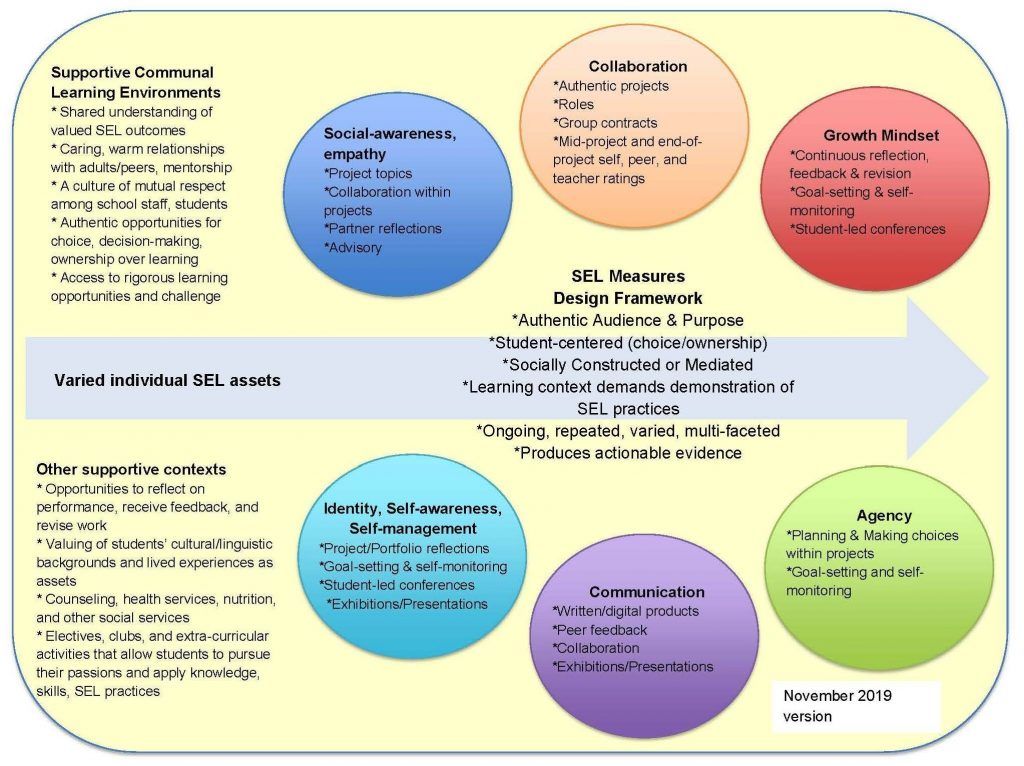
This session shared what was learned from a “practice-research partnership” in which staff working in an alternative high school and researchers co-developed and piloted an authentic measure of SEL. The voices highlighted were that of school staff and a former student about their experiences with developing and implementing a collaboratively-designed tool for SEL assessment. Research partners shared the design principles that informed the development of the tool, and that were critical to providing students with authentic opportunities to build relationships with peers and adults, to grow in self-awareness, and to become agents in their own social and emotional learning. The SEL Buddies assessment model illustrates key design principles: socially-mediated, student-centered, and authentic audience and purpose. Researches buddied with the school, teachers buddied with researchers, and students buddied with each other. Students and teachers found the SEL measure a valuable way to capture and nurture SEL progress, while also building trusting relationships and community within advisory classes. Offering students opportunities to interact and provide feedback to their peers on self-defined struggles and goals were perceived as the most valuable aspect of the measure.
Additional Resources (SEL Tools, the STRONG framework, and examples of “The Gift”)
This resource is one that ELP has adapted from the School Reform Initiative Colorado Center of Activity and has been previously used in a Deeper Learning Leadership Forum (DLLF) session.
Holding a Kiva Panel allows a larger group of listeners to highlight and learn from the voices of the selected panelists and can be adjusted for the virtual world.
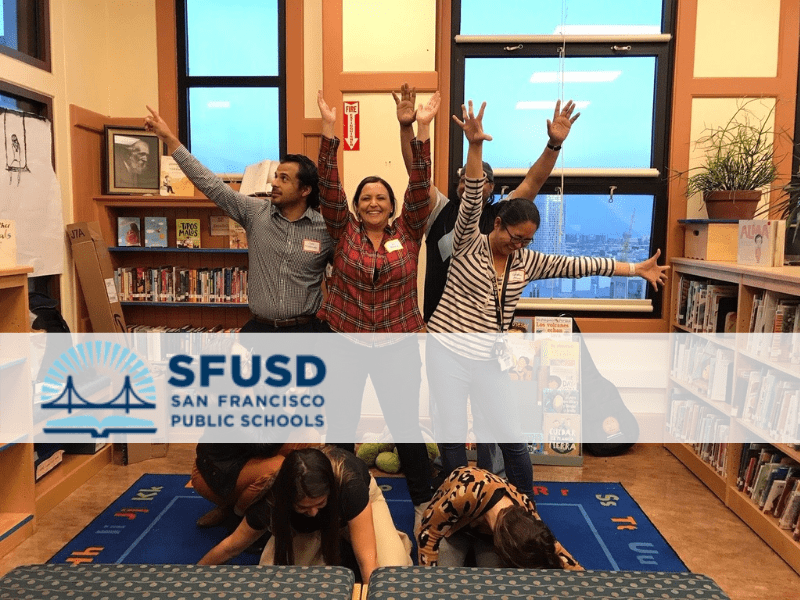
SFUSD has been thrilled to partner with Envision Learning Partners these past three years to operationalize our district’s Graduate Profile and begin developing a performance assessment system that is more aligned to our Profile and measures more of what we want for our young people. We are striving to have demonstrations of learning happen systematically across our schools including portfolio defenses, capstones, student-led conferences, formative assessment use, school-wide rubrics, and exhibitions. Putting the cognitive work of reflection, self assessment, and showing what they know in the hands of students instead of always being held by adults supports students to be in charge of their learning. It also supports teachers to engage in meaningful work that is reflection worthy, and supports schools to be places where the thinking and doing is held by the young people and not dominated by the adults. This is particularly relevant in this moment of distance learning when we dramatically changed our way of teaching while simultaneously losing all of our traditional measures of progress. We don’t have comprehensive strategies right now for seeing how our students are actually doing, what they are absorbing and retaining, and how they are making meaning of it. More than ever, that data from them is crucial for us. Many educators and schools are partnering with central office leaders to co-design, pilot, and embed performance assessments in their work with the help of Envision Learning. We look forward to celebrating all of this learning at the end of the school year for all to see! These initial steps of providing demonstrations of learning and ongoing reflective practice will put us on a path towards a different system-wide approach to how we grade, assess, and support student learning.
PBL Teacher Leader Fellowship: Learnings & Reflections 2019-20
Thank you to the SFUSD team that contributed to this Partner Profile:
Join us for the next round of our three-part workshop series, led by Deeper Learning Coach, Abby Benedetto. Participants will explore the value of having a Graduate Profile, develop and define a draft, and then learn how to implement and measure it once they take it back to their school, district, etc.
Session A: Intro to the Graduate Profile
Tuesday, April 6th, 2021⋅9-12pm PT / 12-3pm ET
You have heard about this thing called a Graduate Profile and want to take your first leap into learning more.
Session B: Defining Your Graduate Profile
Tuesday, April 13th, 2021⋅9-12pm PT / 12-3pm ET
You have a list of amazing skills/competencies that you want for your graduates, and you are ready to get more specific about what that really means.
Session C: Select & Design Your Culminating Performance Assessment
Tuesday, April 20th, 2021⋅9-12pm PT / 12-3pm ET
You want to design a culminating performance assessment that will measure your Graduate Profile.
For a description of the sessions, FAQs, and to register- click here.
The 2021 Assessment for Learning Conference is a two-day virtual learning experience. Sessions will be ‘flipped’ so that we can spend our live time together in smaller group discussions of content, questions of practice, and design. The Conference will be a chance to build the collective knowledge and shared vision of the Assessment for Learning community.
The AFL2021 Call for Submissions is open and stipends are available! Propose a session today to share your work with a community of educators and policymakers who are committed to fundamentally #RethinkAssessment. How has assessment for learning helped us navigate the crises of the past year? And what must we learn from from this in order to build a more just and student-centered future of public education? Proposals are due March 29th.
Visit the AFL2021 website to learn more!
ELP is excited to share our Den Talk at this year’s conference: Listening to Black Women: What Conditions Enable Black Women Deeper Learning Leaders to Thrive?
Deeper Learning Coach, Alcine Mumby, will be hosting and spotlighting the wisdom of 3 Black women leaders: LaShawnna Harris, Sabrina Moore, and Kai Mathews.
Click here for more details about this session and bios of the three women being highlighted.
ELP is pleased to announce that applications and nominations for the 5th cohort of The Deeper Learning Leadership Forum (DLLF) are now open!
The DLLF is a cohort-based leadership experience that aims to develop, strengthen, and support a group of educational leaders to work at the intersection of equity and design thinking.
We are seeking diverse applicants and nominees for our fifth Cohort who are interested in working with other education leaders to address the single biggest challenge facing public education today: inequity.
Click here for more details, links to apply or nominate someone, and a list of FAQs.
Applications due Monday, March 29th.
ELP is excited to share our Den Talk for this year’s Deeper Learning Conference- Listening to Black Women: What Conditions Enable Black Women Deeper Learning Leaders to Thrive?
Deeper Learning Coach, Alcine Mumby, will be hosting and spotlighting the wisdom of 3 Black women leaders: LaShawnna Harris, Sabrina Moore, and Kai Mathews. All three are alumni of ELP’s Deeper Learning Leadership Forum.
This will be a Kiva panel where Black women systems leaders from various levels of the deeper learning movement with embodied knowledge and expertise will share their wisdom on creating conditions for Black women and Black learners to thrive in this community. Participants will take notes as they listen deeply, scribing exact words and phrases that resonate with them, then reflect on the shifts and new learning created when they listened to understand to Black women. This promises to be a transformative den experience for participants as they seek to practice the foundational equity skill of listening to disrupt/dismantle their own beliefs about deeper learning, leadership, and equity for liberation.
Kai Mathews
Dr. Kai Mathews is the MTSS (Multi-tiered System of Support) Director at UCLA’s Center for the Transformation of Schools. In this position, she co-leads a statewide pilot aimed at improving school climate and conditions. Dr. Kai (as her students call her) has dedicated her life to creating innovative and equitable learning environments for underrepresented populations. She is an educator, researcher, and creative strategist who is passionate about innovative reforms and practices in K-12 and higher education. With over 10 years of practical work and research experience with students, teachers, and administrators in various school districts around the country, her areas of expertise and passions include educational equity; culturally responsive, inclusive, sustaining education; Project-Based Learning (PBL); Universal Design for Learning (UDL); Blended Learning (BL); and Design Thinking.
As a former 8th grade teacher at High Tech Middle, Chula Vista, Dr. Kai prides herself in creating immersive, project-based learning environments that push, uplift, and teach the whole child and allows students to engage in critical inquiry, social advocacy, and divergent dialogue.
She has a Ph.D. in Leadership Studies with a specialization in K-12 education from the University of San Diego, an M.A. in Communication from Ellis University, and a B.A. in English with a minor in Creative Writing from Spelman College.
Sabrina Moore
Sabrina “Bri” Moore, is an Oakland native. She has been a student, teacher, and is now an administrator in service of students and families in Oakland.
Sabrina “Bri” came to education as a career changer. She remembers the day she made the decision to leave a 15 year career with AT&T Telecommunications for teaching. She was in the midst of obtaining a masters degree and remembered her high school teacher telling her “if you get a masters degree you can be a teacher.” She quit a few months later to do just that and has been pushing for Oakland students ever since.
Her orientation towards school leadership began during her time with Teach Tomorrow in Oakland as a facilitator of professional development and providing mentoring and coaching support to new teachers. “I was encouraged as a new teacher to take risks, to try new approaches and to share my successes and failures with my colleagues,” recalls Moore. “If offered an opportunity to learn something new as a teacher, or as a teacher leader, I never said no- I took all opportunities offered to me to continue to learn and grow.” The same has been true of her in administration. Seeking every opportunity to learn, grow and improve for kids.
She is currently pursuing a doctorate of education in social justice from California State University East Bay in hopes to become the future superintendent of Oakland Unified School district.
When asked to describe her leadership style, Bri says she sees herself as “an anti-racist liberatory leader who is unapologetically Black, Proud and pushing for kids that look like me, come from where I come from and deserve way more than we get”, she is also dedicated to speaking truth to racism so we can see a change to systems, practices and policies that stay perpetuating hate and marginalizing folk.
Bri currently serves as the principal at MPA Primary, facilitates diversity, equity and inclusion professional learning for several organizations, provides adjunct professional learning for new principals and is a new principal mentor for OUSD. She works from one core value, “Kids First” and believes everything else is secondary. She loves what she does so much, even on the worst day she’s SMILING!
Sabrina believes that teaching and leading changes lives and with the best team possible strives for excellence in education. She is driven by the dream of seeing, “kids like me be whatever they want – no excuses and every opportunity to Live their best Lives.”
LaShawnna Harris
LaShawnna Harris is the Founder and President of Creative Station LLC a NYC based education consulting firm. She received a B.S. in Management from Rensselaer Polytechnic Institute, M.S. in teaching from the Fordham University and a M.S. in school building leadership from Mercy College.
LaShawnna previously worked as an elementary school teacher, math staff developer, assistant principal, founding principal, new principal coach and most recently as the Senior Director of School Improvement for the New York City Department of Education.
As the founding principal of PS 330Q, it was her vision that all students would learn in a supportive environment that focused on their academic and social-emotional development, so they could pursue and achieve their dreams. LaShawnna was noted in the Huffington Post article, “Why School Culture Matters, and How to Improve it” by Michael Haberman that showcased her work with Morrison Healthcare through the school’s PENCIL partnership to improve school culture.
She has a passion and commitment to supporting school leaders with school improvement. Her strengths are facilitating small group professional learning community sessions on managing complex change, strategic planning, collaborative problem solving and improved systems and Operations.
Register for the session using this link: https://sched.co/i5i4
For more information about the Deeper Learning Conference and to register, click here.
Learn more about Deeper Learning Coach, Alcine Mumby, in her “I am ELP” highlight.
What’s next? Enforcing “time served” is for prison guards, not stewards of genius.
Vinci Daro and Theresa Morris are two razor-sharp colleagues of mine. Among other qualities, they are math curriculum and assessment designers; they also help teachers shift the focus of learning to center students. The teacher works to guide, encourage, and create conditions for unfettering the growth of all students as full human beings, as problem solvers, thinkers, learners, and doers. That’s how I understand it, anyway. It is the opposite of my experience with high school math in particular, and I literally love them for it.
Once I heard Theresa very quickly answer a question about her mission and purpose: “Recovering lost potential.” Another time I saw Vinci’s response to a question about the values and principles she proposes when she is coaching or facilitating, and I think it was the only thing she wrote: “Students are brilliant.”
Think about that. What is happening in a course built on those directives? Let’s explore.
A few years back I heard from two high school students from different schools who designed and prototyped shoes with batteries built into the soles, which recharge via kinetic and solar energy from being used like shoes – walking around, and it helps if it’s sunny. Both students researched previous attempts at such a design. Both devised and revised proposals, plans, designs. Both went into the world to share their inquiries and challenges with professionals, mainly scientists and engineers. One used design thinking and the other used the engineering design process to get to a working prototype, and they did not solve the design challenges in the same way. One of these innovators was acquiring a patent in hopes of a licensing deal and navigating all of that, while the other had a batch of shoes manufactured and shipped to families in Ethiopia so they can be less impacted by rolling blackouts. He raised the money for that, too! They both spoke publicly about their process, challenges, and learning and expertly Both answered a barrage of questions from adults. One shared her story through a professional presentation in a giant auditorium and the other stood by a digital display of his project and walked groups of people through as they approached and investigated his station.
How do we design for that? One answer may strike you as suspiciously familiar.
Schools have found themselves bogged down by inflexible structures at a time when we need flexibility most. Some educators worry about students completing work too quickly and then not having anything to do with the remaining class time.
Rooting conditions for school success in things like seat time ultimately dilutes the data that actually measures student learning. Here are some things we will miss: what students can do now, their strengths and needs, how to support them, and what’s next for them. Pretty important stuff! Once you have them in front of you, how will you use that time to answer those other questions, and teach things that can be learned? Relationships, home visits, personalized interventions, bus passes, carpools, and other creative community support are more effective ways to address the high crimes of absence and tardiness!
Education shouldn’t be like serving a sentence. Let’s instead refocus our approach on what matters most and prepare ourselves to cultivate some genius. Model those transferable skills, bring all students relevant learning experiences, assist them in gaining useful strategies, expressing themselves, creating real things, taking initiative, and generally developing their powers! Let the reality of student brilliance and the high stakes of lost potential set the terms, not “time served.”
In other words, your students are not done yet. They’ve got way more to offer and more to learn. So what’s next for each of them and how will you let them do it?
Grad Profile Workshop Series: Jan 28, Feb 5 & Feb 10 (Sold out but more dates to come!)
In this three-part workshop series, led by Deeper Learning Coach, Abby Benedetto, participants will explore the value of having a Graduate Profile, develop and define a draft, and then learn how to implement and measure it once they take it back to their school, district, etc.
Given the surprisingly high demand for this workshop, we have sold out! We are currently scheduling another set of dates, as soon as late February. Please use this Google Form to join the interest list and be the first to know as soon as new dates/times have been confirmed.
Session A: Intro to the Graduate Profile
This workshop is designed for folks who are learning about the concept of a Graduate Profile (aka Vision of a Graduate, Portrait of a Graduate). We will explore what a Graduate Profile is and why it is an important shift for schools, districts, systems, etc., as well as what it means to situate the Graduate Profile as your organizing principle. Participants will brainstorm the skills they believe would be ideal for their graduates, then have an opportunity to check that brainstorm against quality criteria, ideate and revise again. Participants will leave with a draft prototype of a graduate profile as well as a plan to engage stakeholders in a vital input/feedback process in order to move toward a more finalized draft.
Session A TLDR: You have heard about this thing called a Graduate Profile and want to take your first leap into learning more.
Session B: Defining Your Graduate Profile
Once participants have a draft of a Graduate Profile (aka Vision of a Graduate, Portrait of a Graduate) that includes larger skill categories, the next step is to define what you actually mean by those categories in the form of Performance Outcomes. During this session, we will clarify what Performance Outcomes are, determine the scope of the Outcomes that you are drafting (individual school, district-wide, etc.), and practice creating high quality Performance Outcomes for your Graduate Profile. This language will then be used to design shared assessment tools and much, much more. Participants will leave with a more fully defined set of skills for their Graduate Profile, as well as a plan to engage stakeholders in a vital input/feedback process in order to move toward a more finalized draft.
Session B TLDR: You have a list of amazing skills/competencies that you want for your graduates, and you are ready to get more specific about what that really means.
Session C: Select & Design Your Culminating Performance Assessment
Once you have your Graduate Profile designed and defined, you need to create a system that actually measures it. If you don’t, it remains a pretty poster on the wall. One component of that measurement system is a culminating assessment that gives you and your students concrete evidence of how they are able to demonstrate the skills of your Graduate Profile. In various groups, participants will explore different types of exhibitions (student-led conferences, capstones, portfolio defenses, etc.) and design a prototype of a culminating exhibition that provides evidence of student learning/thinking of essential competencies.
Session C TLDR: You want to design a culminating performance assessment that will measure your Graduate Profile.
Assessment for Learning Conference- Winter Launch: February 3rd
ELP is pleased to partner for a second year with the Center for Innovation in Education and Next Generation Learning Challenges on the Assessment for Learning Conference!
Assessment for Learning is a continuing process based in learner goals, relationships, complex tasks, reflection and exhibitions of learning. The Winter Launch is about setting goals and building relationships before the spring conference on May 6th & 7th, 2021.
The focus of the Winter Launch is on connection and inquiry, and we won’t be introducing new content through traditional conference sessions like panels and presentations at this event.
You’ll spend most of your time during the Winter Launch in small group conversations on big questions about assessment. We’ll use a new guided reflection process to help make sense of this moment and envision a more just and student-centered future.
You’ll finish the event with learning intentions for the rest of this year, new ways to connect with AFL peers, and the charge to invite more people into this community.
This is an event for people who are passionate about building the movement to make assessment for learning the norm in our education systems. We expect that most participants will be people who support assessment in schools, districts and networks; people who implement and advocate for assessment-related policies; and teacher leaders.
A Parent’s Reflection on the Driver’s Test Analogy
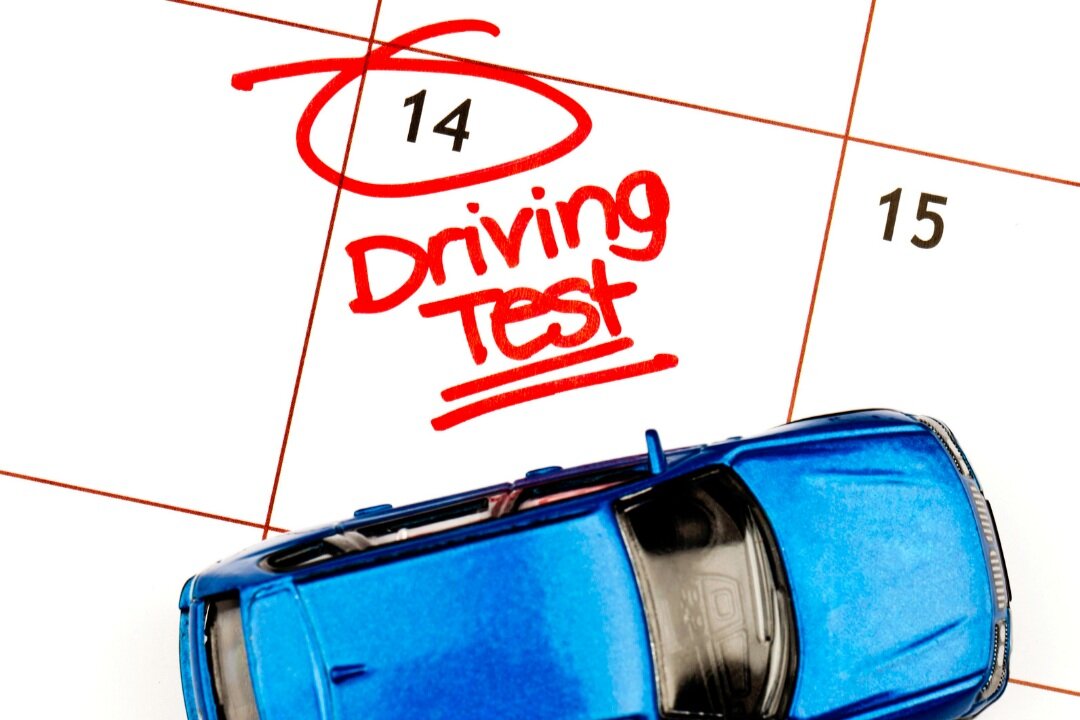
Here at Envision, we frequently use the Driver’s License Test analogy to talk about Performance Assessment: it is a clear and familiar example of showing you are ready for a momentous next step by demonstrating what you are able to do (drive) with what you know (driving rules and regulations).
As a mom, I recently had a chance to consider this analogy from a distinct vantage point: the passenger seat. Helping my daughter learn to drive has given me the opportunity to expand on this beloved Envision metaphor with some key observations related to Performance Assessment.
First, it can be abjectly terrifying to drive with an “emerging” driver. In Lola’s first few forays on the road, I had several white-knuckle experiences that will be familiar to any parent of teens. I had multiple visions of catastrophe. I may have screamed a couple of times. And I realized it was the loss of control that really unsettled me. It is daunting to realize there is NO OTHER WAY for your child to learn how to drive except by LETTING GO OF CONTROL. It dawned on me that it must also be hard for teachers to let go of control in the classroom. Of course, classroom performance assessment does not pose the threat of bodily harm the way hurtling over the Bay Bridge on my daughter’s maiden voyage did. But I found it interesting that I struggled to give up control even though I knew she was ready for this important step. I struggled in safer situations too—complete with pressing on the non-existent, passenger side brake—and sometimes found it hard to articulate instructions. It made me curious about how teachers confront and manage this struggle.
Secondly, teacher-student relationships really do make a difference in student success. Lola took the test twice: she failed the first time. The first instructor was dour, unfriendly, and impatient. According to Lola, she gave the directions (turn left, turn right) with very little time between instruction and execution. She wasn’t receptive to clarifying questions. She did not smile. Two weeks later and the difference could not have been more stark: the second instructor was friendly and engaging, immediately introducing herself to both of us. After the successful test, Lola was effusive about how different this second experience was. This instructor took the time to give Lola a friendly overview of what the test would be like. When she noticed Lola was nervous, she offered suggestions for how to relax a little bit. For Lola, having the instructor see and acknowledge her anxiety helped enormously. Out on the road, when Lola made some small mistakes, the instructor said things like “this is a mistake I make sometimes too, so just keep in mind xyz…”. She also gave directions clearly, with time for Lola to execute on them, and was patient with questions. With that kind of assessor in the seat next to her, Lola was able to drive the way she knew how, and of course she passed.
In the days since Lola has been whizzing around the Bay Area on her own, I have thought often about this woman, her skill at her job, and the way she helped my daughter. It strikes me that performance assessment, at its best, is about not only challenging the learner but also creating conditions for her success. And I’m once again grateful for teachers who are practiced in the art of both supporting students and letting them truly show what they know and are capable of.
For more of Monica’s “parent perspective,” check out this 2018 post in EdWeek: The Gift of Portfolio Defense.
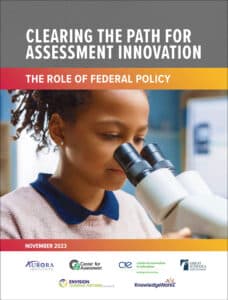
Envision Education has long been proud that we not only serve students directly through our Bay Area schools but also commit to serving public school students everywhere through our consulting division, Envision Learning Partners. Our understanding of our past and potential future is even clearer now, thanks to A Pragmatic Playbook for Impact: Direct, Widespread, and Systemic, which offers an illuminating framework for analyzing how mission-driven ed organizations work to spread the change they seek.
To help illustrate the framework, Bellwether Education Partners, in partnership with New Profit, conducted a case study on Envision Education, based on a series of interviews with longtime Envision teacher and now ELP leader, Justin Wells. For us at Envision, the case study was a chance not only to reflect but also to learn. We came out of the experience with a better sense of who we are and where we are headed as an organization, and we are grateful to Bellwether and New Profit for the opportunity.
On August 11th, Bellwether is hosting a webinar where you can hear ELP and other educational organizations discuss their various approaches to scaling impact.


ELP was honored to partner with so many other incredible organizations to develop this resource.
Beyond the Horizon: Blazing a Trail Toward Learner-Centered School Quality Systems includes recommendations for education leaders at every level of the system, mapping the course for the future of assessment and accountability.
Created in collaboration with leaders in K-12 student-centered learning from across the country, these recommendations support a learner-centered accountability system that would:
Realizing the full potential of student-centered learning requires transformation of traditional approaches to assessment and accountability. To truly move to student-centered learning at scale, education systems must be redesigned.
Envision Learning Partners is honored to have co-authored a new paper alongside the Aurora Institute, the Center for Assessment, the Center for Innovation in Education, the Great Schools Partnership, and KnowledgeWorks.

We recently read an article by NGLC’s dynamite Knowledge Officer, Kristen Vogt. The piece shares an observation that many of us have seen in the field: graduate profiles are often discussed as something meant for high school students, with little clear connection to elementary and middle schools. Kristen shares examples of schools across the country aligning instruction across K-12 to graduate profiles, including elementary and middle schools (you will be particularly impressed by Megan Margerum in North Dakota). We love the recognition that portraits of a graduate are, among other things, a journey map, and these journeys are most successful when they are seen not just as standalone endings, but part of a student’s experience in elementary and middle school as well.
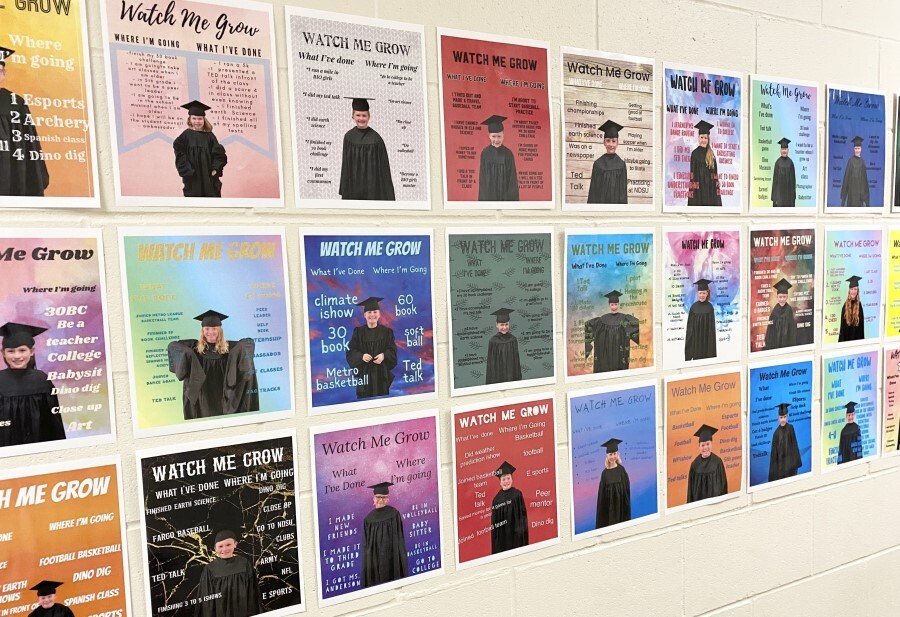
Interested in launching or revising your Graduate Profile? We can help.
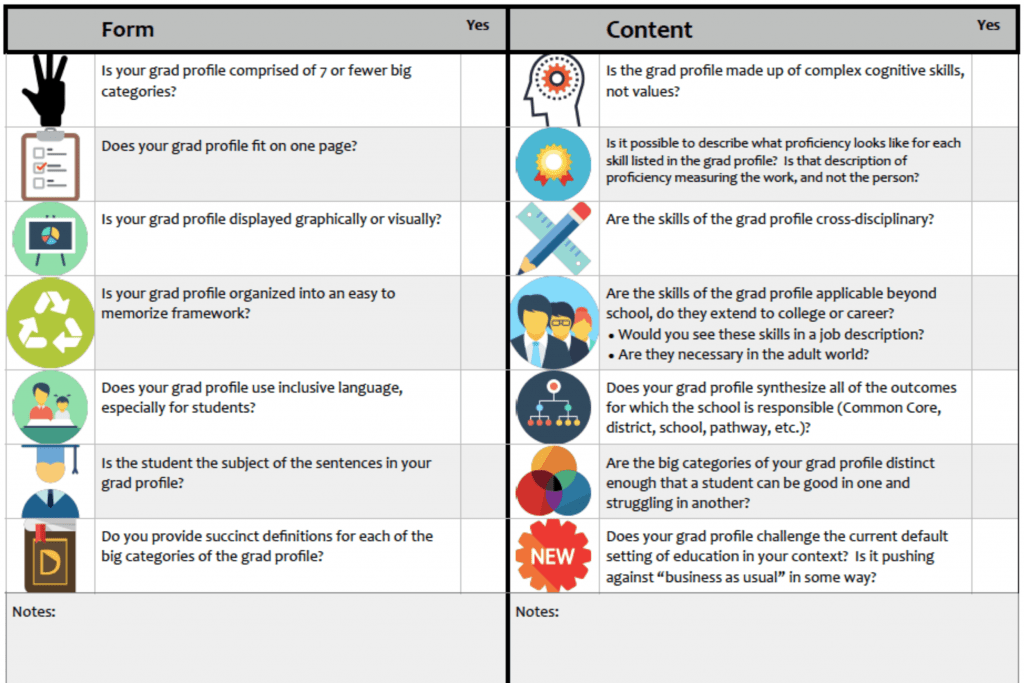
Is your Grad Profile made up of complex cognitive skills, not values? That’s one of the 10+ questions we ask with our Graduate Profile Quality Criteria Check Tool. We have been delighted to see the surge in Graduate Profiles developed by school systems across the USA over the past year but have noticed the need for an important next step: check whether your new grad profile meets these important quality criteria that we’ve developed over the past decade working with hundreds of schools.
Click the resource button to download the PDF.
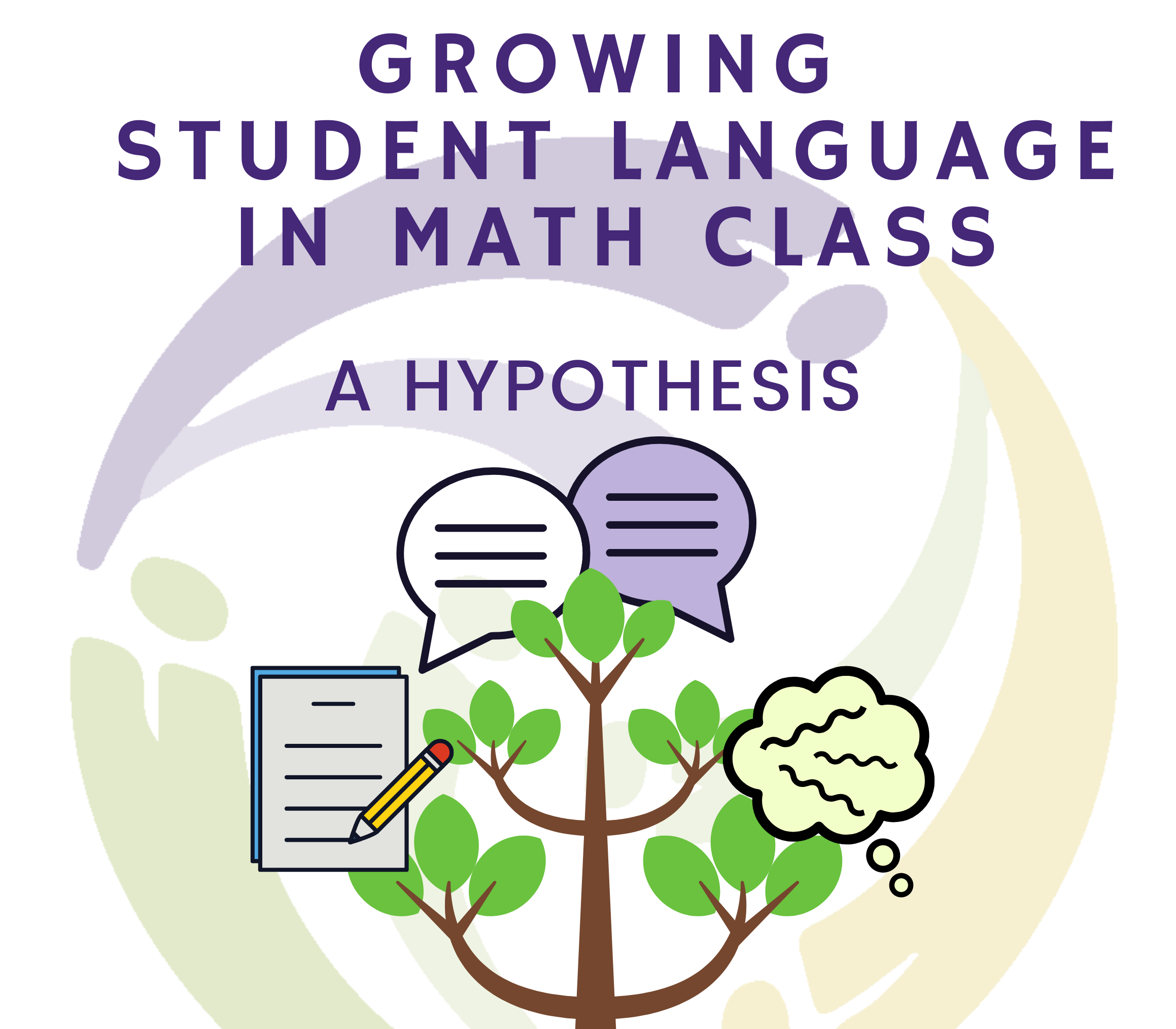
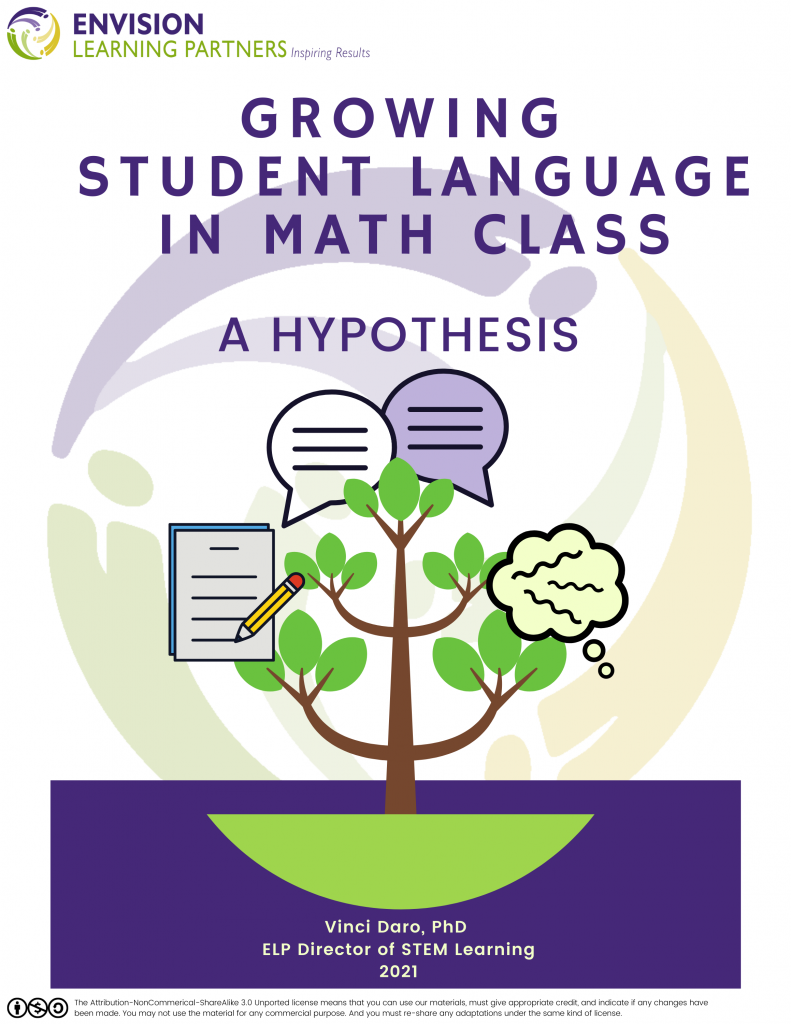
This resource was developed for math teachers looking for a pathway into developing Student language (disciplinary language, English language, and academic language).It serves as an invitation to be intentionally experimental with three processes that students experience often in school, but not as often in math class: students revising their work and their thinking; students interpreting the writing of other students; and students interacting with each other.
Click the resource button to download and explore this resource tool!
This resource is one that ELP has adapted from the School Reform Initiative Colorado Center of Activity and has been previously used in a Deeper Learning Leadership Forum (DLLF) session.
Holding a Kiva Panel allows a larger group of listeners to highlight and learn from the voices of the selected panelists and can be adjusted for the virtual world.
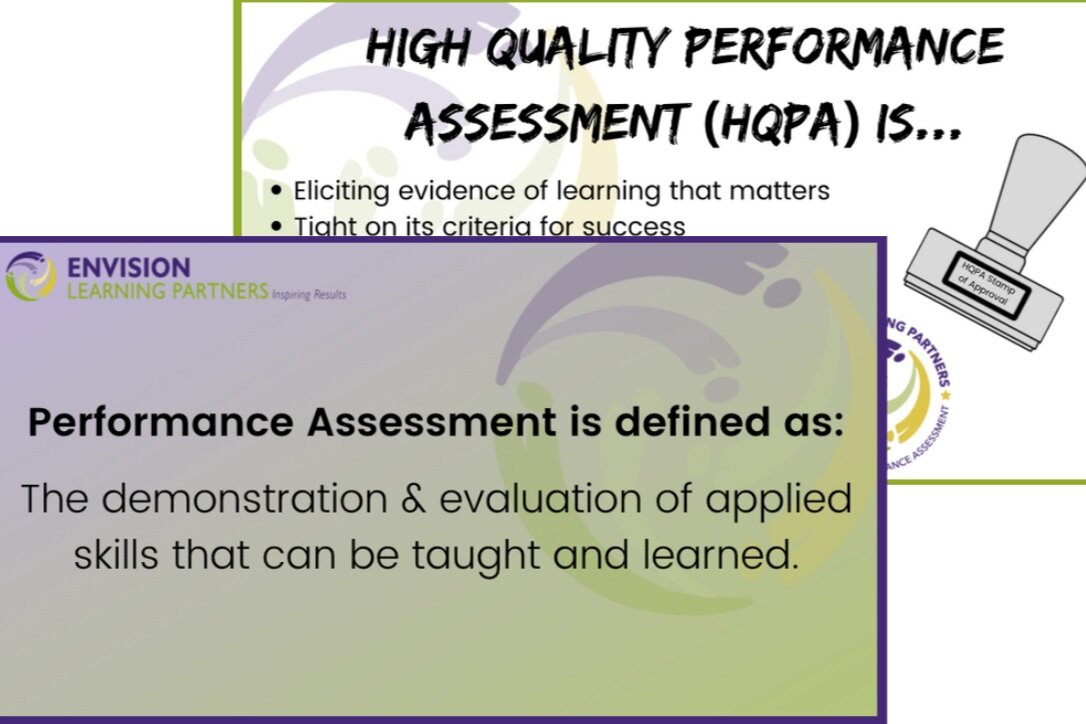
Click the resource button to download the PDF.
These three observation tools are intended to support ‘minimal-prep’ lesson observation in classrooms where student ideas, language, and interaction are at the center of the learning process. They were specifically designed for mathematics classrooms, but may also be useful in other contexts.
The two Lesson Observation Tools are meant as note catchers and as a manageable list of student and teacher actions to look for. In using these tools, it is important to agree with the teacher on the focus of the observation, for example: Use of instructional routines to surface and develop student ideas and language.
The Language-Rich Classrooms: Observation & Planning Tool is meant for a coach and teacher, or teacher peers, to use together for linking an observation with a conversation about planning next steps. It, too, has a list of example student and teacher actions to look for.
Click the resource button to download the editable PDFs.
Looking for even more resources? Visit the ELP blog for all past newsletter content.
ELP’s Director of Research and Innovation, Ruth Chung Wei, had the opportunity to direct a research study with a team at the Stanford Center for Assessment, Learning, & Equity (SCALE) and ELP called “Measures of Social-Emotional Learning.” The Executive Summary of this three-year project provides an overview of the findings and can be downloaded by clicking on the image below.
Learn more about Ruth in her “I am ELP” highlight, by clicking here.
This resource comes from the 2022 Deeper Learning Conference and is a conversation about modernizing mathematics: perspectives from the classroom and beyond. This panel discussion explores the topic of mathematics teaching and learning in the current age and for the future. ELP Director of STEM Learning, Vinci Daro, is one of the four amazing panelists.
We know that we want students engaging deeply with rigorous content, but knowing what to look for in a classroom where students are struggling productively with rigorous mathematics content is a challenge among many of our partners.
Click the resource button to download!
Take a look at the Productive Struggle Observation Tool our STEM team has developed for observers to use to look for and capture relevant student and teacher actions in math classrooms. Clare Green, principal at Envision Education’s Hayward high school, Impact Academy says this about the tool: “The productive struggle rubric helps to drive a conversation about what high-quality, student-centered instruction looks like. This conversation now happens not only between coaches, teachers, and administrators but also with students.”
Let us know what you think – is the observation tool something that might be useful in your context? What do you look for in classrooms when you want to know if students are struggling productively with meaningful material?
ELP is excited to announce that we have published five new performance task resources in the Performance Assessment Resource Bank (PARB), an online resource that ELP has stewarded since 2018.
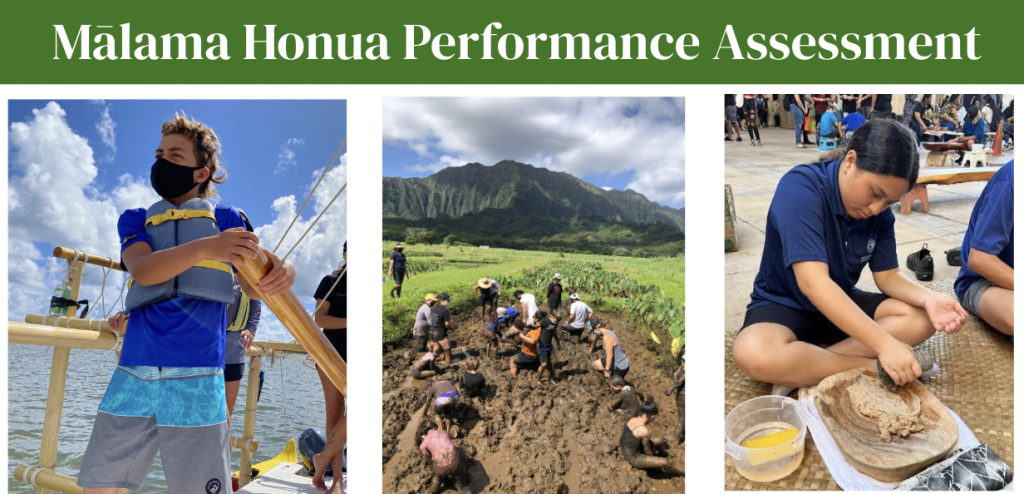
The five new resources are capstone portfolios, projects, and/or portfolio defenses from a consortium of schools in Hawai’i – the Hawaiian Focused Charter Schools (HCFS), which has been developing and implementing culturally sustaining curriculum, instruction, and assessment strategies to cultivate and preserve the language and culture of native Hawaiians. As part of its Culturally Relevant Assessment project, four HFCS schools and an additional charter school submitted capstone projects, ranging from Kindergarten through 12th grade capstones, for review and feedback from ELP during the 2022-23 academic year. Included among these five capstone projects is a Hawaiian-language kindergarten capstone project, the first non-English project to be included in the PARB. The revised projects were then submitted for a formal review process by performance assessment experts for inclusion in the Performance Assessment Resource Bank (PARB), using a hybrid review instrument, “ELP High Quality Performance Assessment Criteria + PARB/ILN Quality Criteria for Performance Assessments,” that combines ELP’s HQPA criteria and the PARB/ILN Quality Criteria developed by SCALE to vet submissions for the PARB.The instrument was adapted to include ʻāina (land)-based learning outcomes. All five of the submitted projects from the HFCS schools met project certification criteria after one or two cycles of review and feedback. ELP benefited from the experience of reviewing these submissions to deepen our understanding of culturally sustaining performance assessment and broadening our practice to be more inclusive of the diverse learners that our nation’s schools serve. This project was completed with the funding and support of the Kamehameha Schools, a private educational institution in Hawaiʻi that aims to improve the capability and well-being of Native Hawaiians through education.
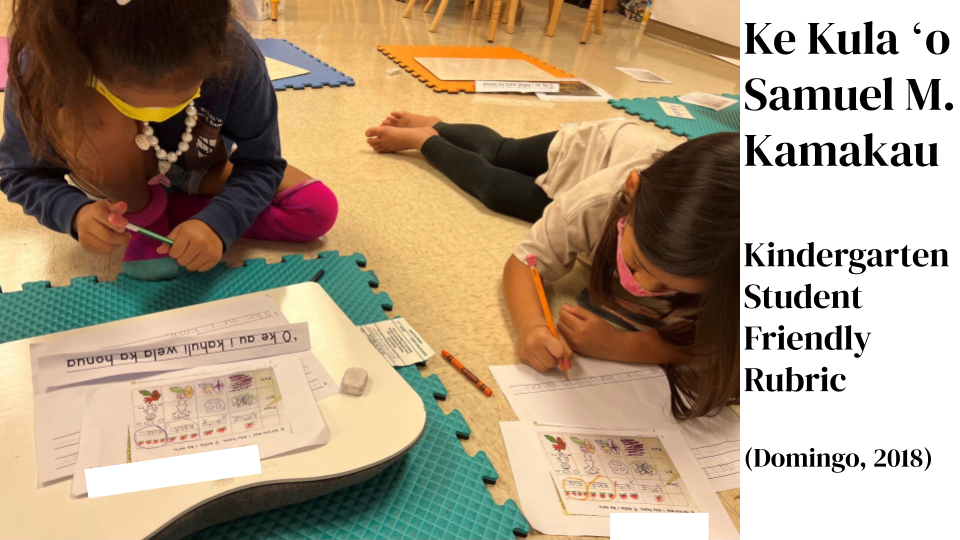
We encourage you to peruse these resources and reach out to learn more!
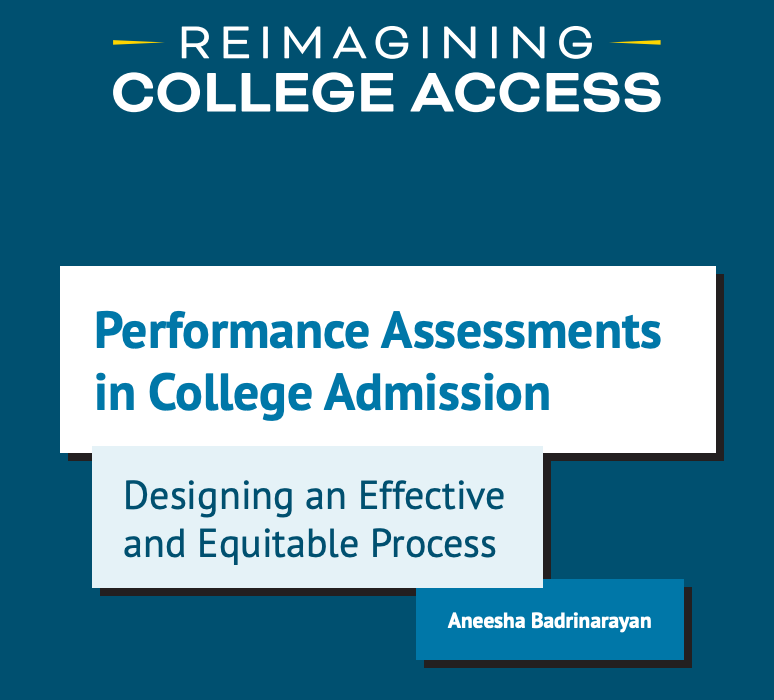
The Reimagining College Access initiative recently released a guidance document, authored by Aneesha Badrinarayan, aimed at colleges interested in integrating performance assessments into their college admission systems: Performance Assessment in College Admission: Designing an Effective and Equitable Process.
Although the tool is designed for admission officers, it can also be used by K–12 educators to gain a better understanding of the considerations that colleges must take into account in the use of performance assessments in admissions. The tool defines performance assessment and then provides concrete guidance on how admission officers can incorporate information about students’ K–12 performance assessments into their application and review processes.
Click the image below to download this tool.
When we meet with a potential school partner, we are often asked: What does the process of evolving into a school with a High-Quality Performance Assessment System (HQPAS) look like? We have worked with thousands of educators serving hundreds of thousands of learners since our inception in 2010 and have developed a Theory of Action that consistently drives the transformation to a HQPAS:
Click the resource button to download!
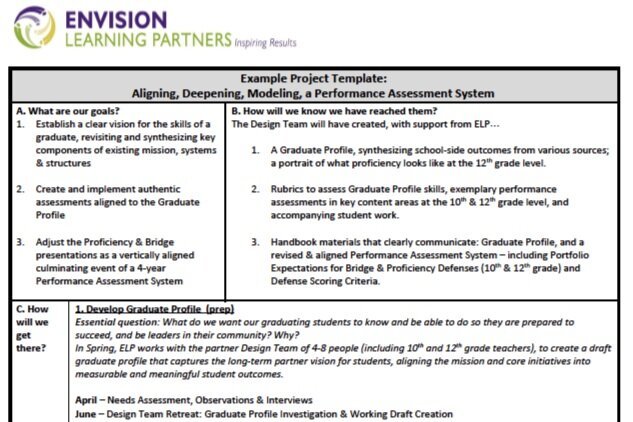
These three phases, done in that order, lead to a successful implementation of a High-Quality Performance Assessment System. A second common question we hear is focused on implementation steps and timeline. As you can imagine, each partner takes a unique path on its implementation journey, but over the years, we have seen some common elements. This month, we share a simplified project template to give you a better idea of potential steps involved. Enjoy reading and don’t hesitate to reach out with any questions.
Envision Education is excited to share the culmination of its two-year research project, Pursuing Equity for Black & Latine Students with Learning Differences, which
documents and illustrates the systems, practices, cultures, and supports that are associated with the well being and success of Black and Latine students with learning differences – students with disabilities and multilingual students with disabilities.
In 2023, Envision Learning Partners (ELP) and Social Policy Research Associates (SPR) embarked on a research study to identify and learn from schools that demonstrated positive outcomes for Black and Latine students with learning differences (including students with disabilities and multilingual learners). After a review of data from secondary schools across the country, the study team identified two schools for a more in-depth study, which was conducted during the 2023–2024 school year.
The results of the research are shared through case studies of the two schools that were the focus of the research: 1) Crosstown High: Building a Culture of Inclusion; 2) Capital City: An Inclusive School Community Committed to Whole-Child Learning and Well Being; and 3) An Executive Summary/Synthesis of Findings.
In addition, we have authored four practice briefs based on the findings of the research that provide practical steps that schools can take to create more inclusive environments that support the success of Black and Latine students with learning differences.
This research was made possible through the generous support of New Profit, a venture philanthropic organization, and the Oak Foundation.
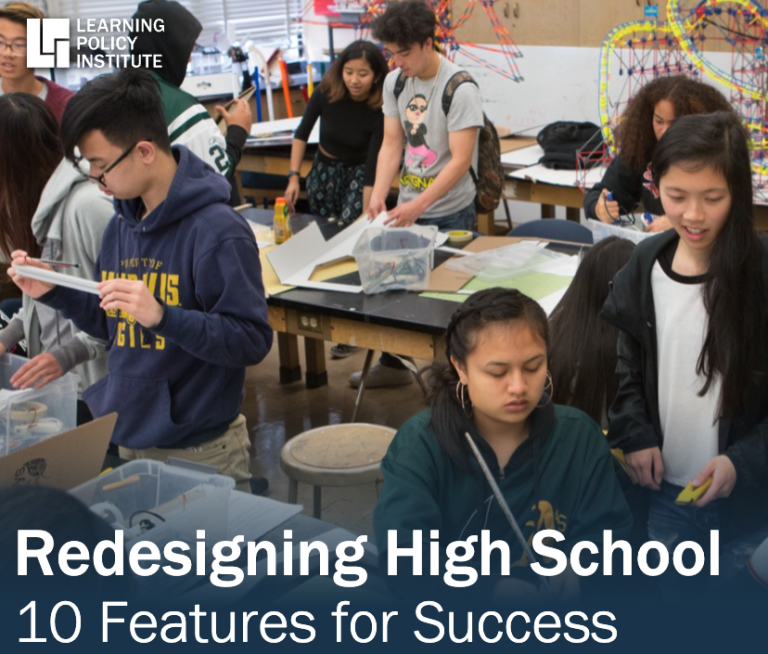
Earlier this year, Learning Policy Institute (LPI) released this resource that outlines 10 features from effectively redesigned high schools and highlights examples of schools that are putting the features into practice to create powerful learning opportunities for youth.
ELP was honored to be listed under the Additional Resources. If you are interested in a redesign or have any questions, contact the ELP team to schedule your free consultation.
Click here to download this resource.

9 Tips for Writing Effective Rubrics – Adapted from the important thinking of our partners at SCALE, this tool attempts to capture the quality criteria of solid rubric design. The tool is helping our partner schools all over the country to develop performance indicators that serve to define proficiency for their Graduate Profile skills. Take a look and share with us any quality criteria you’ve found effective!
Resource Corner: Scaling Student Success Briefs & Policy White Paper

For educators and educational leaders seeking to bring your Graduate Profile to life, Scaling Student Success has released a series of Practice and Policy Briefs to support this journey! The Briefs tell the story of five different districts across California that are successfully integrating their Graduate Profiles (or Learner Portraits) into their curriculum, culture, and classrooms, and seeing a positive impact on student success. They’re a valuable learning resource for any school interested in redefining student success! Learn more and access the briefs here.

Scaling Student Success also recently authored a white paper focused on statewide policy recommendations that support many of the transformation systems we want to see in schools (graduate profiles, authentic assessments, etc.). ELP has offered to be listed as one of the organizations to officially “sign on” to the paper. Click here to read: A Student-Centered Approach to Education.
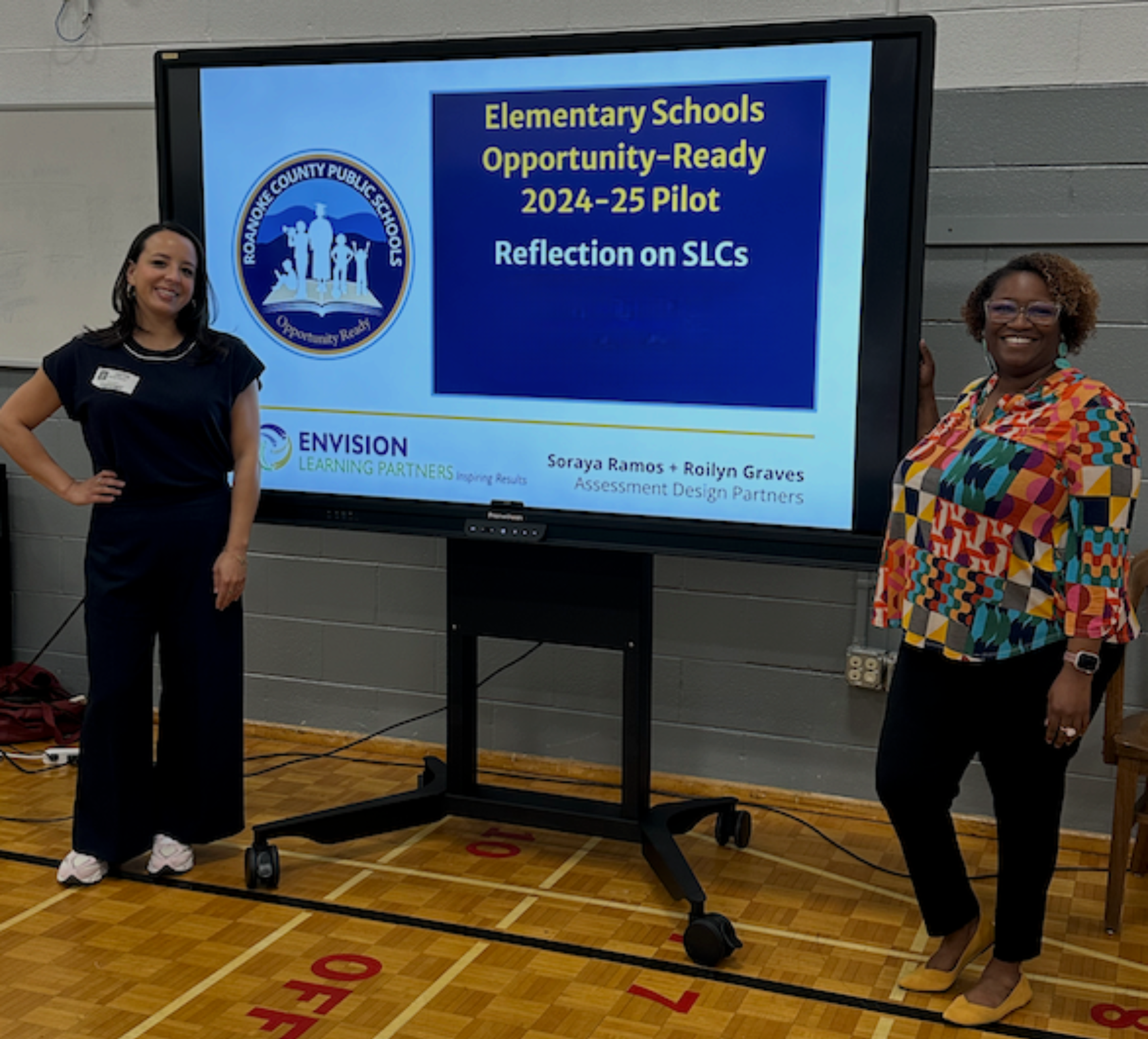
Earlier this spring, Assessment Design Partners Roilyn Graves and Soraya Ramos spent time in Roanoke County Public Schools in Virginia, collaborating with district and school leaders to refine and pilot a culminating performance assessment system aligned to the district’s Opportunity-Ready Skills.
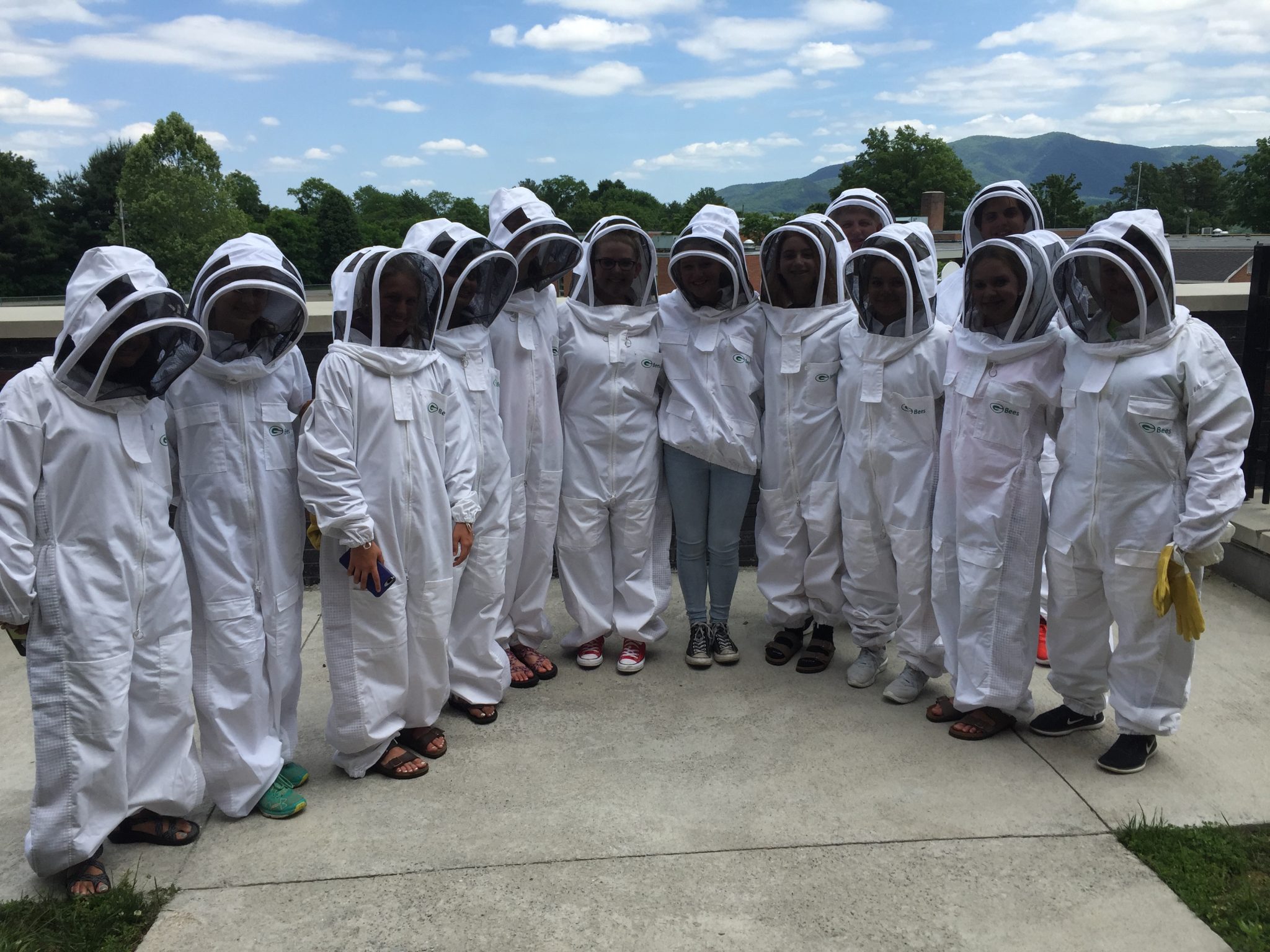
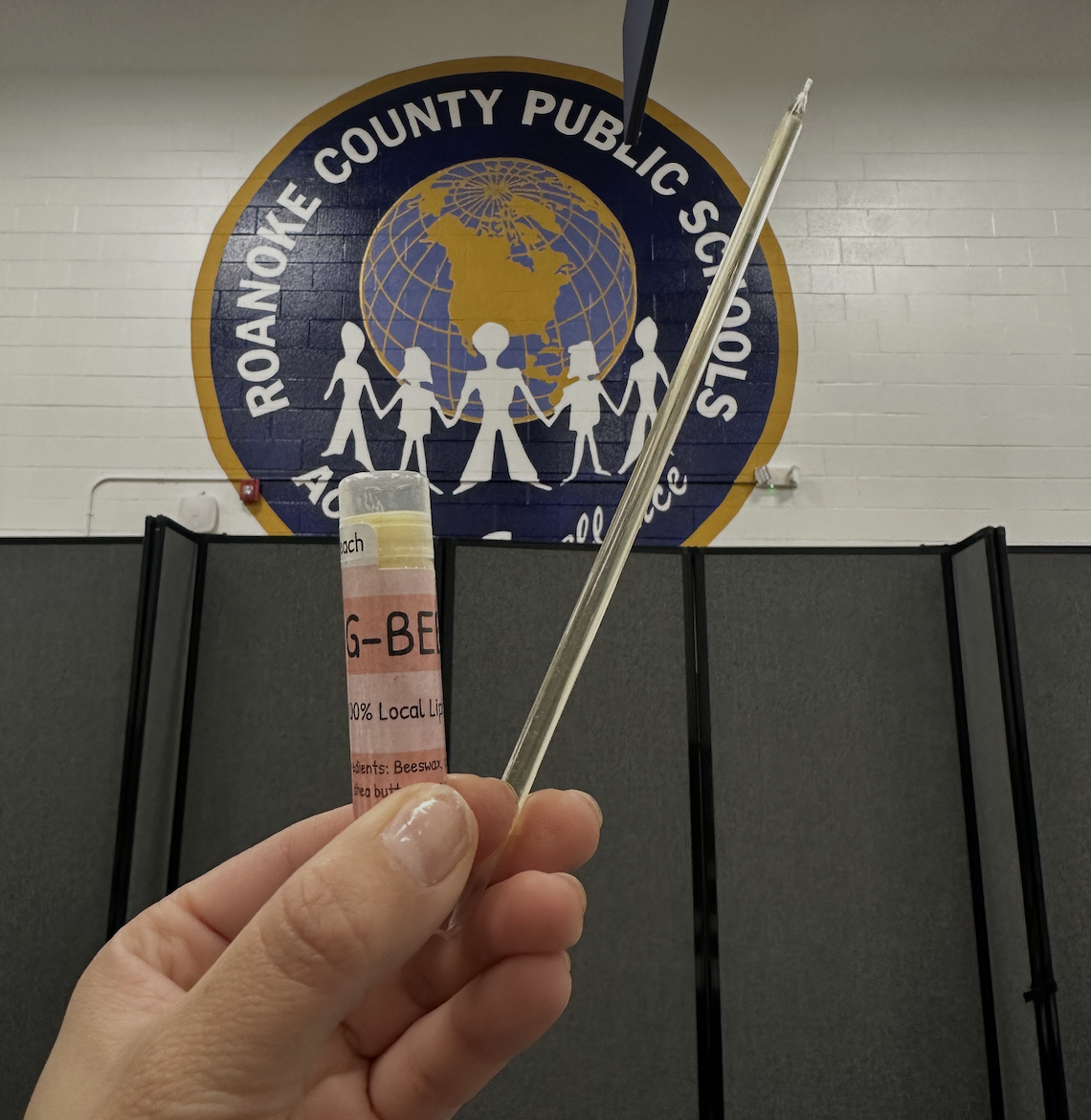
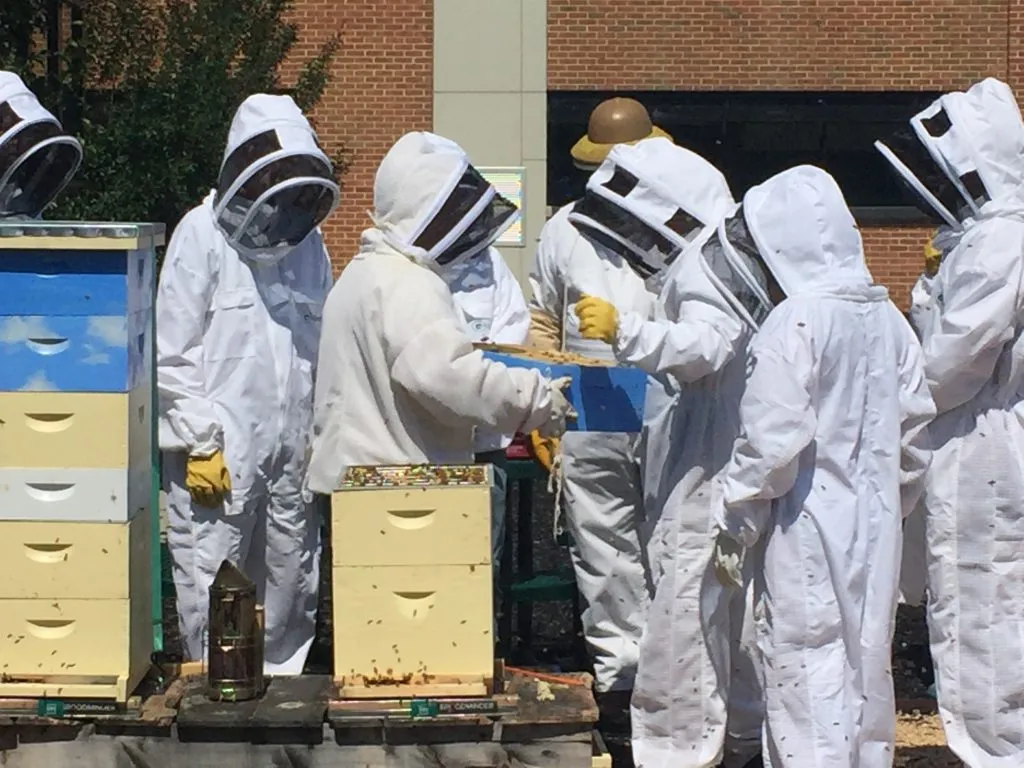
During their visit, they had the opportunity to tour Glenvar High School—and were inspired by an incredible student-led initiative: the G-Bees. This club involves students in every aspect of beekeeping, from hive maintenance to harvesting honey, and even crafting a range of products like lip balm, soap, candles, hot honey, and more.
Through this hands-on work, students are not only gaining valuable entrepreneurial experience, but also raising funds for outdoor education and scholarships. It’s a powerful example of student-centered, purpose-driven learning at its best.
The G-Bees program is truly performance assessment in action—students applying their knowledge and skills in meaningful, real-world ways. While online sales aren’t available, we’re excited to share their story as a model of what authentic, engaged learning can look like.
Learn more about the program through this link.
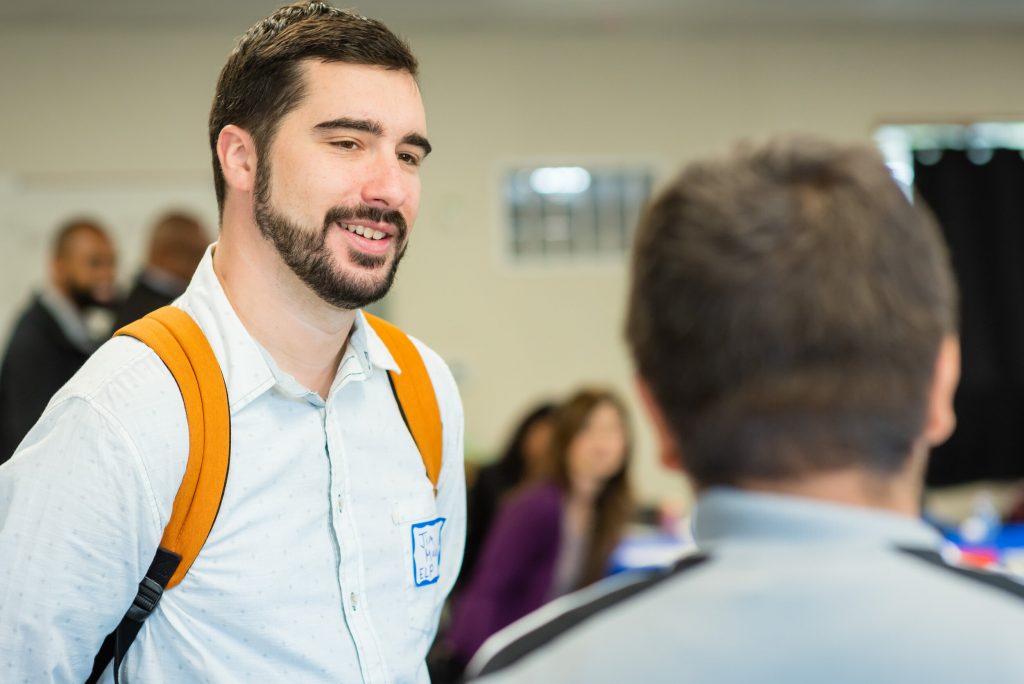
This month, watch ELP STEM assessment specialist, Jim Malamut, share his ideas on Proximity of Evidence to student thinking.
Looking for more resources? Visit the ELP blog page for all past newsletter content.