I Am ELP: Deeper Learning Coach, Suzanne Malek
What experiences brought you into coaching?
Read More


Envision Education is excited to share the culmination of its two-year research project, Pursuing Equity for Black & Latine Students with Learning Differences, which
documents and illustrates the systems, practices, cultures, and supports that are associated with the well being and success of Black and Latine students with learning differences – students with disabilities and multilingual students with disabilities.
In 2023, Envision Learning Partners (ELP) and Social Policy Research Associates (SPR) embarked on a research study to identify and learn from schools that demonstrated positive outcomes for Black and Latine students with learning differences (including students with disabilities and multilingual learners). After a review of data from secondary schools across the country, the study team identified two schools for a more in-depth study, which was conducted during the 2023–2024 school year.
The results of the research are shared through case studies of the two schools that were the focus of the research: 1) Crosstown High: Building a Culture of Inclusion; 2) Capital City: An Inclusive School Community Committed to Whole-Child Learning and Well Being; and 3) An Executive Summary/Synthesis of Findings.
In addition, we have authored four practice briefs based on the findings of the research that provide practical steps that schools can take to create more inclusive environments that support the success of Black and Latine students with learning differences.
This research was made possible through the generous support of New Profit, a venture philanthropic organization, and the Oak Foundation.
What experiences brought you into coaching?
As a student, I loved learning but found school more stifling than unleashing of my love of learning. As a high school teacher, I loved learning from my students and helping them discover themselves and the world around them. As a lead teacher, I always wanted more time to design amazing learning experiences, think about school-wide systems, and learn more about what other great schools are working on.
What do you most enjoy about being a coach?
As a coach, while I miss crazy teenager energy, I love the increased impact my work has on many other people’s students; I love the nitty-gritty of it too: learning, collaborating, and co-designing learning experiences and systems that help schools and districts in their process of transforming teaching and learning from the systems we all inherited.
What do you like to do when you are not coaching?
I am an activist, an artist, and an introvert! A big contradiction of things. I try to maintain space for calm, for creating and appreciating art in many forms, for reflection, and for just existing outside as part of the natural world, as well as fighting the fights that must be fought to make the world a better place.
There is statewide support for Deeper Learning in Colorado, and Envision Learning Partners is playing a key role.
In 2007, the state of Colorado asked districts to choose the ways their students will demonstrate college and career readiness, and therefore readiness to graduate from high school.
This Graduation Guidelines menu lists the options. In the mix of more traditional tests, two options provide a clear pathway for students to graduate by demonstrating their skills through an individualized product or presentation: Capstone Projects and Collaboratively Developed Standards-Based Performance Assessment.
Since April 2018, Envision Learning Partners has been honored and energized to work in an accelerated way with educators at every level of the Colorado educational system, to design meaningful and sustainable assessment systems worthy of and accessible to every student in Colorado, strongly aligned to the demands of a wide variety of 21st century college and career options.
This June marks the close of two incredible first-year partnerships between ELP and the Colorado Department of Education, as well as the Colorado Education Initiative; both projects involve educators from every corner of the state to transform education statewide.
The nonprofit, public media station KQED provides educators and young people multimedia content, experiential activities, and professional tools to create learning environments of the 21st century, by promoting media literacy, civic engagement, creative expression, and problem solving using digital media.This partnership enables ELP and KQED Education to:
Learn more about ELP and KQED, and contact info@envisionlearning.org or avaba@kqed.org if you have more questions about the partnership.
The third cohort of the Deeper Learning Leadership Forum (DLLF) met in sunny San Diego for their second convening, at the end of March. Part of this session included the National Equity Project hosting and engaging cohort members in a focus on educational equity as they unpacked systems of advantage and disadvantage and how each member could return home and lead for equity. Participants made connections to their own local contexts and chose an equity project that they would start addressing throughout the cohort program.
The DLLF convening rolled right into the 7th annual Deeper Learning Conference, held at High Tech High. The DLLF cohort and other members of the Envision team joined educators from all over, who are focused on creating more equitable outcomes by engaging students in deeper learning.
Deeper Learning Coach Alcine Mumby, and Executive Director Justin Wells hosted an all-day deep dive with the help of Roilyn Graves, Envision’s Program Specialist. Deeper Assessment: Rapid Prototyping Portfolio Defense engaged 25 educators in developing the beginnings of a Graduate Profile (GP) for their students. After assembling their GP drafts, they looked at the “why” and “how” of meaningful reflection and explored models from schools that are successfully using a portfolio system aligned to Graduate Profiles, such as Envision’s schools.
Deeper Learning Coach Abby Benedetto, also co-facilitated a deep dive at the conference, Digging Out to Freedom: Education and Liberation; participants explored the intersectionality of structural oppression in assessment, systems design and more, in order to define Diversity, Equity, and Inclusion (DEI). Participants left with inspiration and new tools for self-liberation, to engage liberated learners and advance institutional diversity, equity, inclusion and social justice in their practice.
The Practice Question
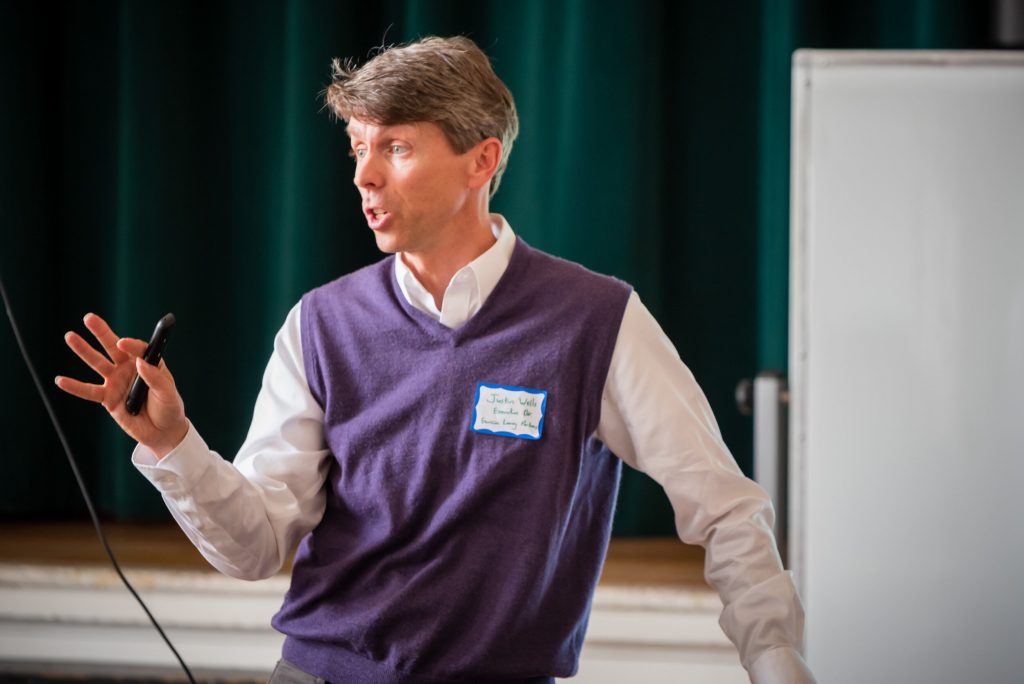
Across education, I see the development of a healthy habit, and the performance assessment movement deserves plenty of credit for it. Educators everywhere, when considering a desired learning outcome, are reflexively asking, “How would we measure that?”
This is good. Asking the measurement question holds us accountable to our goals; answering it points us to actions.
But there’s another question that is just as focusing, should be just as reflexive, and would not hurt to come first: “How will our students practice that skill?”
Answer the practice question, and the measurement answer comes easily. It’s not so easy the other way around.
As a young teacher, I too often measured things that my students didn’t get to practice. I whipped out a public speaking rubric when students presented at the front of the room. I assessed them on their volume and eye contact. But we hadn’t practiced those skills in class.
Collaboration shows up on most graduate profiles. How will our students practice that skill? Answer it honestly. Assigning some group work is not the same thing as practicing collaboration.
Another grad profile meme—critical thinking—is not any kind of thinking. It’s grappling with “How might I be wrong?” How do students practice that skill? If a student has gone through a school year without consciously changing her mind on anything, then I doubt she has really practiced critical thinking.
I applaud what I see announced on graduate profiles all over the country—really important skills that schools can help kids get better at: inquiry, citizenship, creativity, persistence, problem solving, cultural competence, and so on. But it’s not fair to measure things that students haven’t had an opportunity to practice.
A high-quality performance assessment system knows its desired outcomes and its measurements; it also takes responsibility for scheduling practice.
Please share with us one of your favorite ways to help your students practice a key skill!
Sincerely,
Justin Wells, ELP Executive Director
Click this link to view the document!
Here is a mathematics performance task we’d like to share with you. This task is designed to be used formatively to assess students’ use of percents and ratios to reason about speeding tickets. Depending on how it is implemented, the task provides multiple opportunities to elicit — and develop — students’ written and verbal disciplinary language for making comparisons.
The ELP team will have a significant presence around the US this Spring. Take a look at this new page on our website to see where we’ll be!
Last year, ELP merged with SCALE (the Stanford Center for Assessment, Learning, and Equity) and was given the opportunity to inherit the amazing Performance Assessment Resource Bank (PARB) website. PARB is a free resource that provides high-quality performance tasks, portfolio frameworks, rubrics, and much more.
Last month, the website was temporarily down for maintenance but is now back up and running, refreshed, and quicker than ever. We hope you have some time to explore and take advantage of all that PARB has to offer.
Keep an eye out in future newsletters for site updates and improvements!
Nantucket Public Schools started their partnership with Envision Learning Partners last summer. In their first year, they started rapid prototyping their Vision of a Graduate, with engaging conversations around values, traits, and skills. Rubric creation followed next focusing as a whole faculty on what their students learn, how they learn it, and how they demonstrate that learning. In the near future, ELP will assist the team at Nantucket in creating high-quality performance assessments. A team from Nantucket will be visiting California in the late Spring to see students defending their learning.
Our work so far with Envision Learning Partners has helped us begin so many important conversations about what we value and what we want for our students at Nantucket High School. Along with changes in curriculum and state testing, our school size and population has changed dramatically in the past eight years. As the only high school on the island, it is so important for us to think about our vision of the graduate and how we can be sure we are assessing students’ learning in a meaningful way.
We opened the school year with rapid prototyping our vision of a graduate, facilitated by our Envision partners. Much of our work focused on meaningful (and sometimes frustrating) conversations about values, traits, and skills. Are they teach-able? learn-able? practice-able? measure-able? Transfer-able? We focused on what skills we are already teaching and assessing and how. It took some time, but we got to a place where everyone was comfortable with a draft vision.
Once we had a draft vision, we began the process of creating rubrics that would assess the skills we identified as important for all students to have. Once again, our conversations were messy and frustrating at times, but we found ourselves focusing, for the first time in a long time as a whole faculty, on what our students learn, how they learn it, and how they demonstrate that learning. The rubric creation was a transformative moment for us because the true nature of the transferability of the skills we chose and the different ways our students could demonstrate them really made sense.
At this point, we are poised for the next stage in our journey with Envision, creating high quality performance assessments. Many of us are already thinking about our assessments on an individual classroom level as a result of these conversations. Two faculty members are looking forward to visiting a partner school engaged in a portfolio defense this May in Los Angeles, in the hope that we can bring elements of that system to our own school.
Have you had a chance to read Jal Mehta’s piece in Ed Week, “Why Equity Has Been a Conservative Force in American Education—And How That Could Change”? If you haven’t, you should.
Mehta argues that “the effort to close achievement gaps has in practice doubled down on the century-old industrial model of schooling, leaving in place all of the essential elements of its grammar: teaching as transmission, batch processing of students, conventional assessments, tracking and leveling, and all of the rest. Anything that moves away from those assumptions—like project-based learning, problem-based learning, interdisciplinary learning, authentic assessment, or constructivist pedagogy—is seen as ‘risky;’ something that is ‘OK for the privileged kids’ but somehow distracts from the real work of closing achievement gaps on state-sponsored tests.”
We at Envision Learning Partners see deeper learning not as a risk but as a moral imperative, not only because all children deserve it, but also because it’s the right way to make change. I agree with Mehta’s notion of “liberatory design,” which “assumes that teachers and students would like to develop engaging, meaningful learning experiences, and that the problem is not them but the institutional structures and culture of schools that constrains them.” I am fortunate to witness proof of this regularly in my work when, for example, I see the excitement among students and teachers who have designed and implemented a portfolio-defense system.
The teachers and leaders who reach out to partner with ELP have drawn similar conclusions about deeper learning. We are proud to serve their schools and districts, and we are always inspired by their courage to do this work.
Sincerely,
Justin Wells, ELP Executive Director
We know that we want students engaging deeply with rigorous content, but knowing what to look for in a classroom where students are struggling productively with rigorous mathematics content is a challenge among many of our partners.
Click the resource button to download!
Take a look at the Productive Struggle Observation Tool our STEM team has developed for observers to use to look for and capture relevant student and teacher actions in math classrooms. Clare Green, principal at Envision Education’s Hayward high school, Impact Academy says this about the tool: “The productive struggle rubric helps to drive a conversation about what high-quality, student-centered instruction looks like. This conversation now happens not only between coaches, teachers, and administrators but also with students.”
Let us know what you think – is the observation tool something that might be useful in your context? What do you look for in classrooms when you want to know if students are struggling productively with meaningful material?
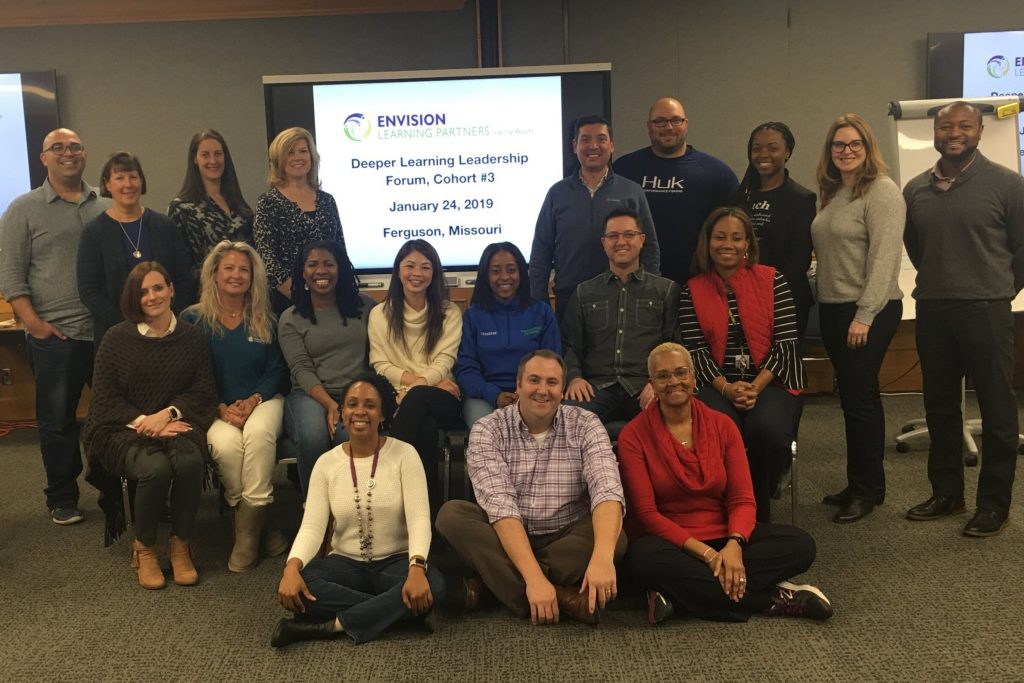
We are delighted to announce the education leaders that have been selected to join Cohort 3 of our Deeper Learning Leadership Forum. The DLLF is a unique leadership experience that aims to develop, strengthen, and sustain a group of well-prepared leaders for the Deeper Learning movement. The DLLF seeks to address the questions and issues of educational inequity, by bringing together education leaders and providing them with learning and networking opportunities to help them lead reform efforts in their local systems and around the country.
Cohort 3 had their first convening in Ferguson, Missouri last week, where they visited schools in the Ferguson-Florissant school district. The purpose was to dive into best practices and get a deeper understanding of the role that their community plays in the learning experiences for students.
Here’s what Adrienne Usher, Assistant Superintendent for Student Learning for Bullitt County Public Schools (Shepherdsville, KY) had to say about the experience:
“The DLLF is already one of the most amazing professional learning experiences I have participated in over my career. This not only inspires me to be a better leader, but also to really push the thinking of all those around me.”
The DLLF consists of leaders who are interested in transforming their districts and networks into centers of deeper learning for every student! Learn more about the Deeper Learning Leadership Forum here.
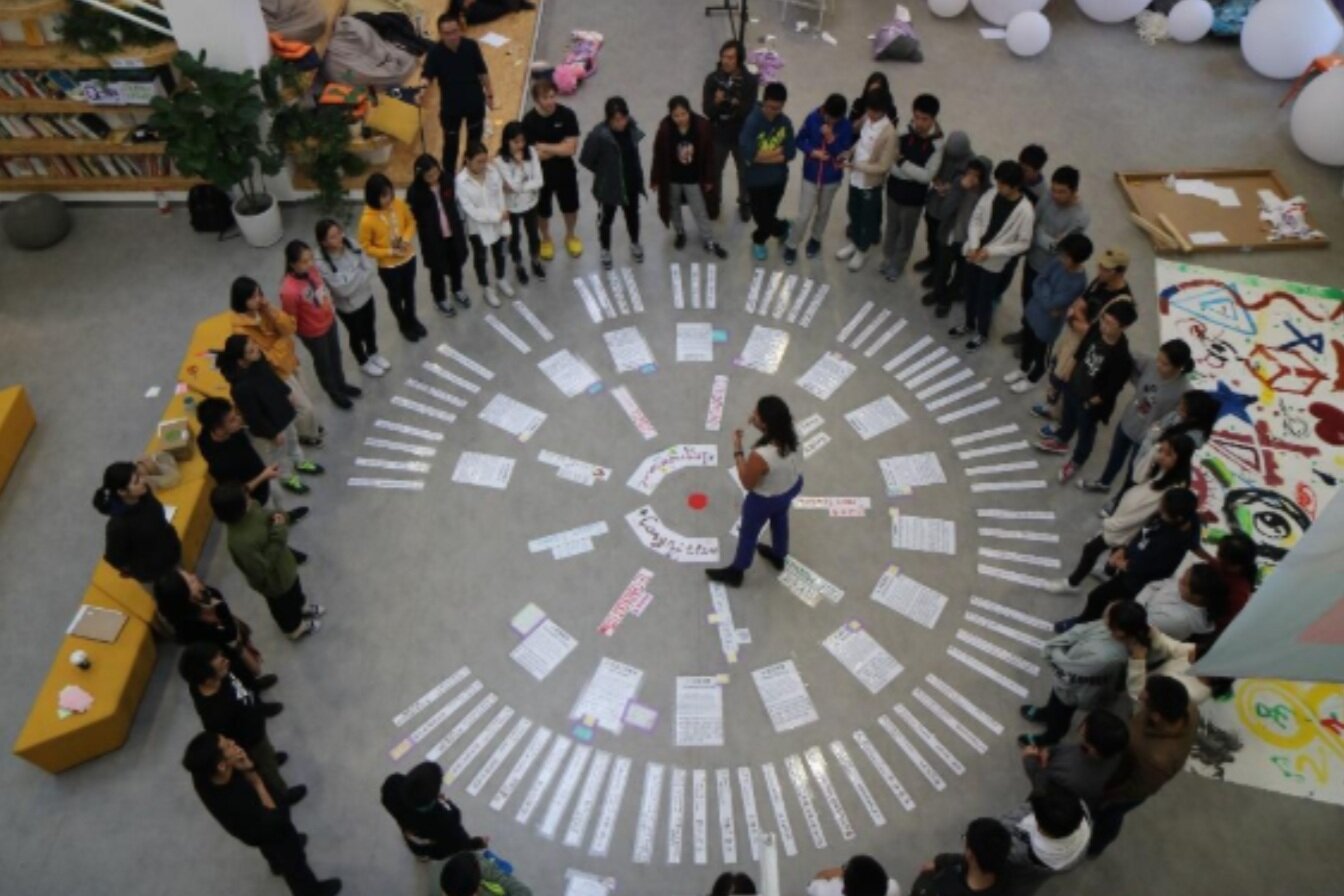
In collaboration with ELP, Moonshot Academy in Beijing, China has built an assessment system to support competency-based education for their students!Guided by their mission to help learners better understand their intrinsic talents and the outside world, and assist them in becoming fulfilled, compassionate, and active citizens, Moonshot Academy built their model keeping these two critical questions in mind:
Ruth Chung Wei, ELP’s Director of Research and Innovation, is working with Moonshot’s educators, and has this to say about the partnership:”The Moonshot staff were so serious and eager to learn – it was inspiring to be around a group with such energy and passion for personalized learning. Working cross-culturally has pushed ELP coaches to really consolidate our key lessons, and to find ways to share them in a way that is accessible and immediately applicable.”
Click the resource button to read the full ELP Partner Profile by Tommy Zhu, Moonshot Academy’s Director of Feedback System
In a recent conversation with fellow advocates of performance assessment, a colleague made the point that our job as educators is not to teach standards but to teach students.
Of course, standards play an important role in guiding teachers’ work. But given the structures and incentives of our system, it’s easy for standards to slip into the position of ends rather than means. Tragically, covering standards—“I taught it; some got it.”—feeds inequities that plague education. When we truly reorient to “teaching students,” we stay focused on those whole human beings in our classrooms. What do our students need to achieve, how will we know they have achieved it, and how do we support their getting there? This is performance assessment system design.
The graduate profile movement is a boon, pushing students into the focal point of our energies. Social-emotional learning (SEL) is trending, reminding us to attend to the whole child. But none of these ideas will translate into lived learning experiences until students are regularly tackling rigorous and real-world challenges that elicit the skills they need to practice and master. Our kids need high-quality performance assessments.
Join us on twitter for more conversation about the importance of teaching students over standards, using the hashtag #TeachStudentsNotStandards
Sincerely,
Justin Wells, ELP Executive Director
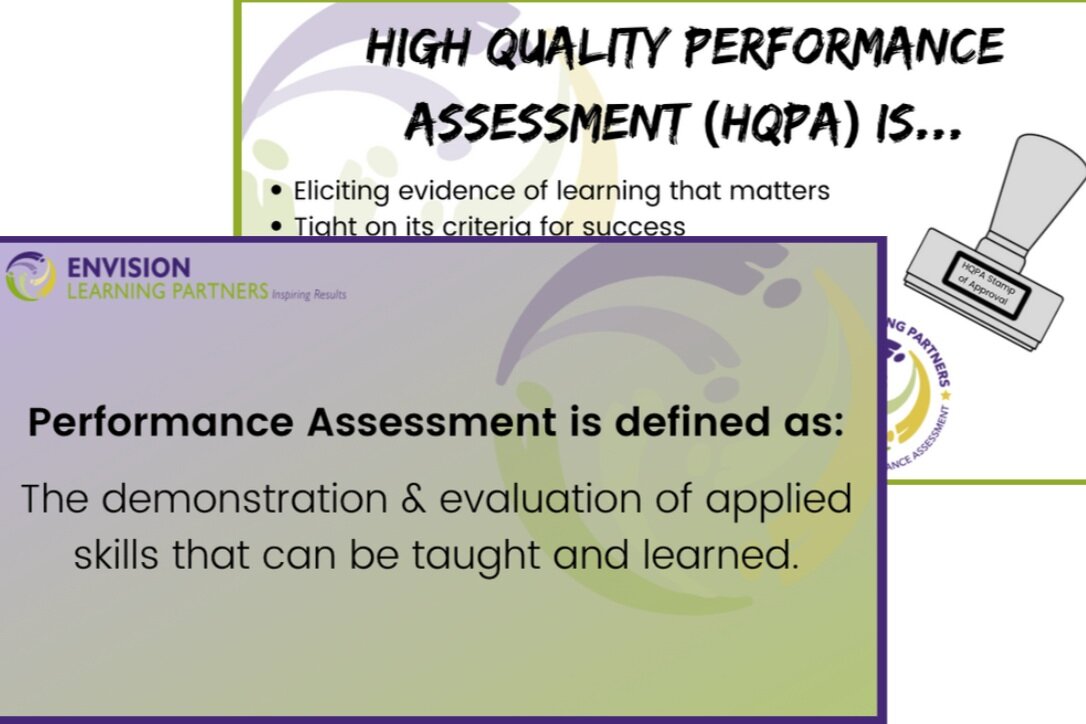
When we meet with a potential school partner, we are often asked: What does the process of evolving into a school with a High-Quality Performance Assessment System (HQPAS) look like? We have worked with thousands of educators serving hundreds of thousands of learners since our inception in 2010 and have developed a Theory of Action that consistently drives the transformation to a HQPAS:
Click the resource button to download!
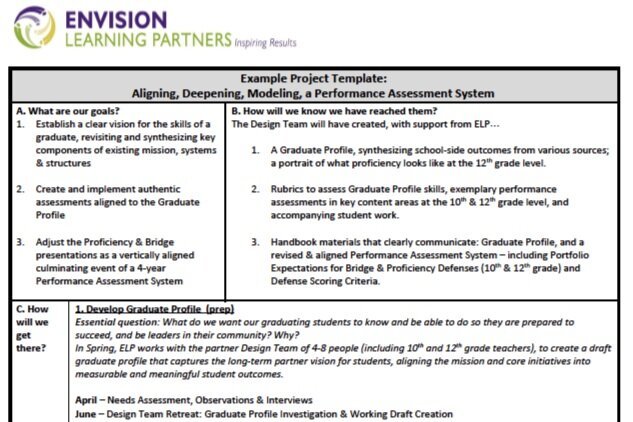
These three phases, done in that order, lead to a successful implementation of a High-Quality Performance Assessment System. A second common question we hear is focused on implementation steps and timeline. As you can imagine, each partner takes a unique path on its implementation journey, but over the years, we have seen some common elements. This month, we share a simplified project template to give you a better idea of potential steps involved. Enjoy reading and don’t hesitate to reach out with any questions.
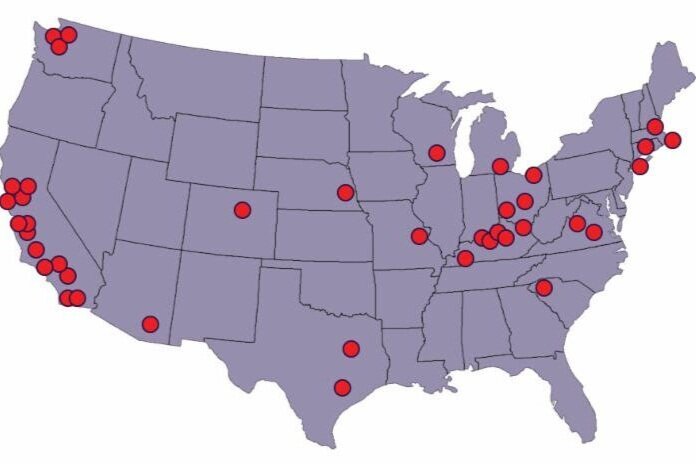
This year, with our seven coaches flying all over the country providing Professional Development to our partners, we decided to take the time to map out the various locations we are serving. Over the coming months, we will continue to profile some of our partners around the country. For now, check out the map below to see the places ELP has active partnerships: we are working with schools, districts, and teachers all over the country, impacting hundreds of thousands of students!
Here at Envision Learning Partners, we believe that every student deserves to learn within a high-quality performance assessment system. That means every student goes to a school where:
If a school does not have these conditions in place, or isn’t actively working toward them, then I hesitate to call it a good school, no matter how high its test scores, shiny its hallways, or champion-like its teachers.
We in the performance assessment movement must clamor for focus on the quality of our students’ work—not proxies for their work, like test scores or classroom observations, but the work itself. How are you focusing on and highlighting your students’ work? Drop us a line to let us know!
I invite you to read more of my thoughts on the subject in “What Is a Good School?,” a short piece I wrote for EdWeek’s Learning Deeply blog.
Sincerely,
Justin Wells, ELP Executive Director
Envision Education has long been proud that we not only serve students directly through our Bay Area schools but also commit to serving public school students everywhere through our consulting division, Envision Learning Partners. Our understanding of our past and potential future is even clearer now, thanks to A Pragmatic Playbook for Impact: Direct, Widespread, and Systemic, which offers an illuminating framework for analyzing how mission-driven ed organizations work to spread the change they seek.
To help illustrate the framework, Bellwether Education Partners, in partnership with New Profit, conducted a case study on Envision Education, based on a series of interviews with longtime Envision teacher and now ELP leader, Justin Wells. For us at Envision, the case study was a chance not only to reflect but also to learn. We came out of the experience with a better sense of who we are and where we are headed as an organization, and we are grateful to Bellwether and New Profit for the opportunity.
On August 11th, Bellwether is hosting a webinar where you can hear ELP and other educational organizations discuss their various approaches to scaling impact.


ELP was honored to partner with so many other incredible organizations to develop this resource.
Beyond the Horizon: Blazing a Trail Toward Learner-Centered School Quality Systems includes recommendations for education leaders at every level of the system, mapping the course for the future of assessment and accountability.
Created in collaboration with leaders in K-12 student-centered learning from across the country, these recommendations support a learner-centered accountability system that would:
Realizing the full potential of student-centered learning requires transformation of traditional approaches to assessment and accountability. To truly move to student-centered learning at scale, education systems must be redesigned.
Envision Learning Partners is honored to have co-authored a new paper alongside the Aurora Institute, the Center for Assessment, the Center for Innovation in Education, the Great Schools Partnership, and KnowledgeWorks.
We recently read an article by NGLC’s dynamite Knowledge Officer, Kristen Vogt. The piece shares an observation that many of us have seen in the field: graduate profiles are often discussed as something meant for high school students, with little clear connection to elementary and middle schools. Kristen shares examples of schools across the country aligning instruction across K-12 to graduate profiles, including elementary and middle schools (you will be particularly impressed by Megan Margerum in North Dakota). We love the recognition that portraits of a graduate are, among other things, a journey map, and these journeys are most successful when they are seen not just as standalone endings, but part of a student’s experience in elementary and middle school as well.
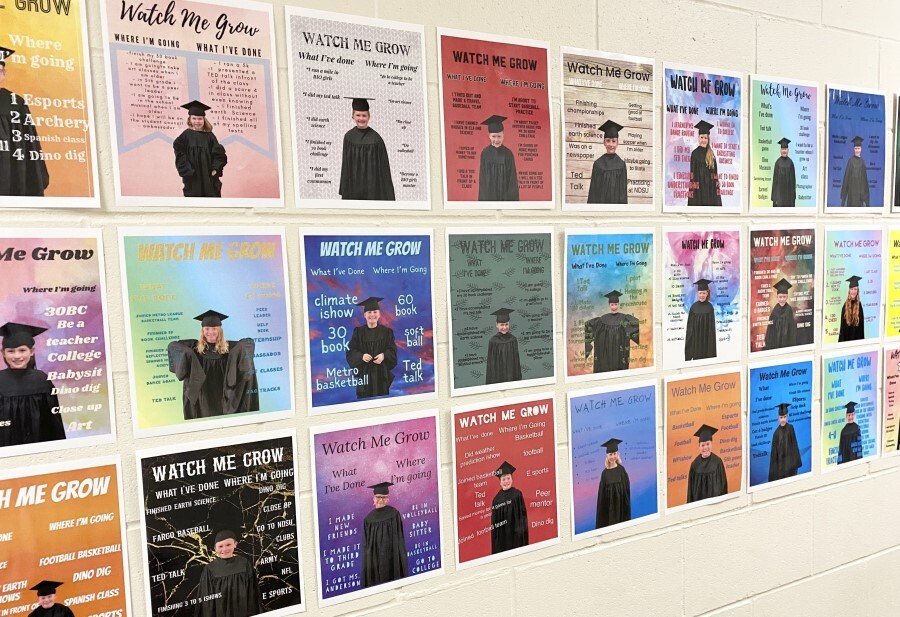
Interested in launching or revising your Graduate Profile? We can help.
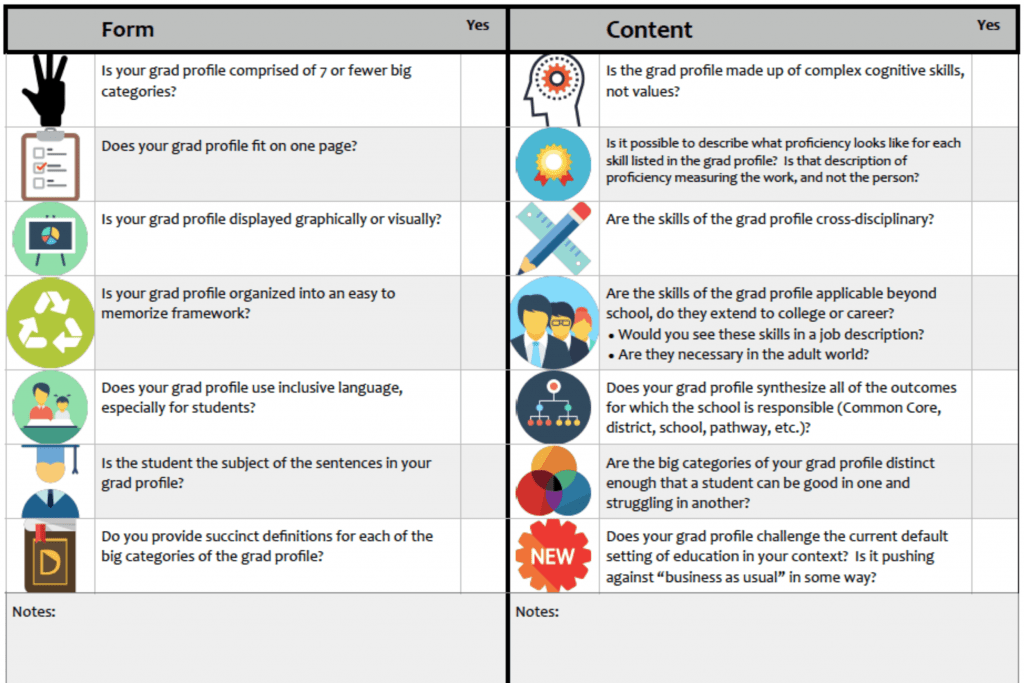
Is your Grad Profile made up of complex cognitive skills, not values? That’s one of the 10+ questions we ask with our Graduate Profile Quality Criteria Check Tool. We have been delighted to see the surge in Graduate Profiles developed by school systems across the USA over the past year but have noticed the need for an important next step: check whether your new grad profile meets these important quality criteria that we’ve developed over the past decade working with hundreds of schools.
Click the resource button to download the PDF.
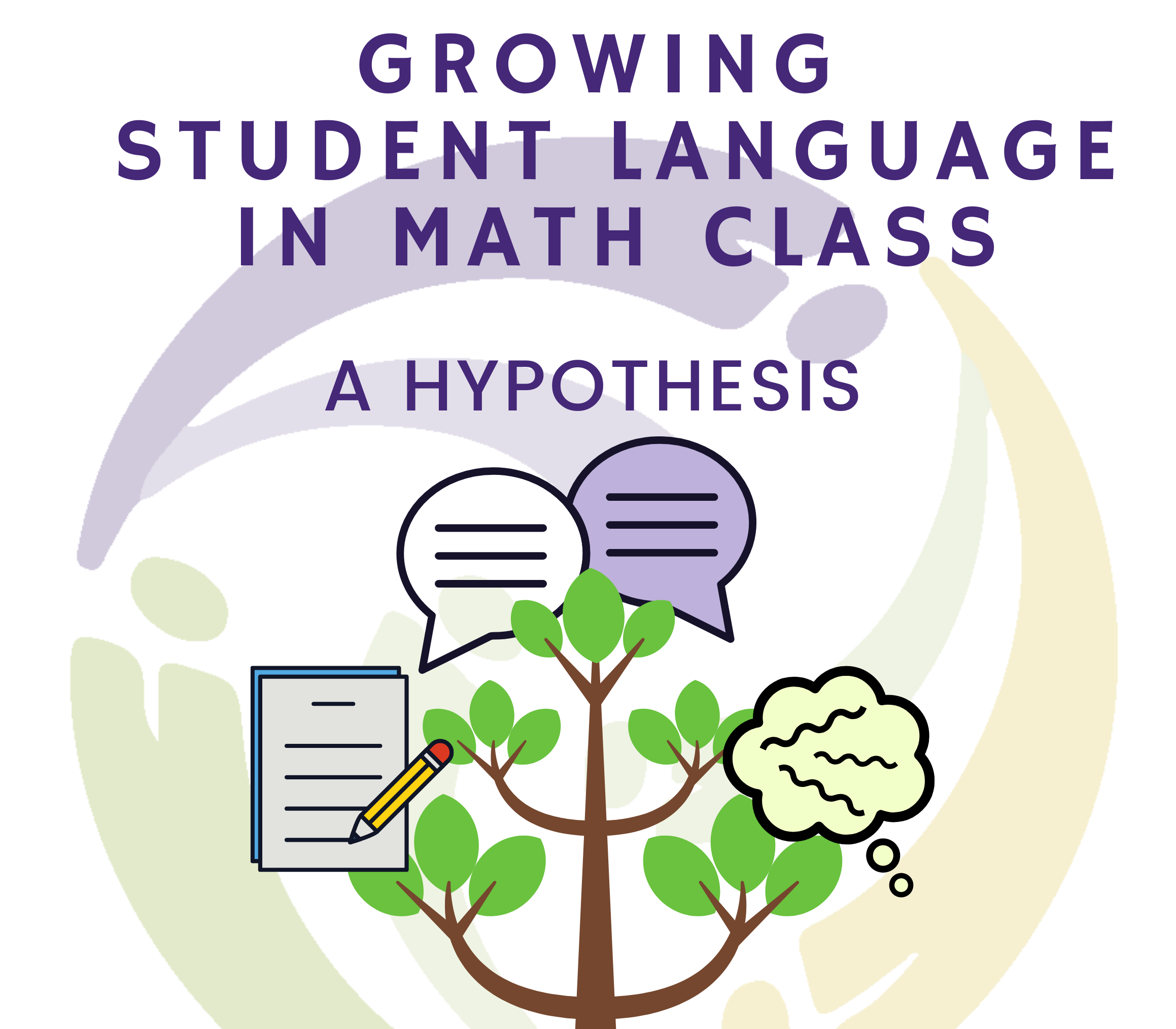
This resource was developed for math teachers looking for a pathway into developing Student language (disciplinary language, English language, and academic language).It serves as an invitation to be intentionally experimental with three processes that students experience often in school, but not as often in math class: students revising their work and their thinking; students interpreting the writing of other students; and students interacting with each other.
Click the resource button to download and explore this resource tool!
This resource is one that ELP has adapted from the School Reform Initiative Colorado Center of Activity and has been previously used in a Deeper Learning Leadership Forum (DLLF) session.
Holding a Kiva Panel allows a larger group of listeners to highlight and learn from the voices of the selected panelists and can be adjusted for the virtual world.
Click the resource button to download the PDF.
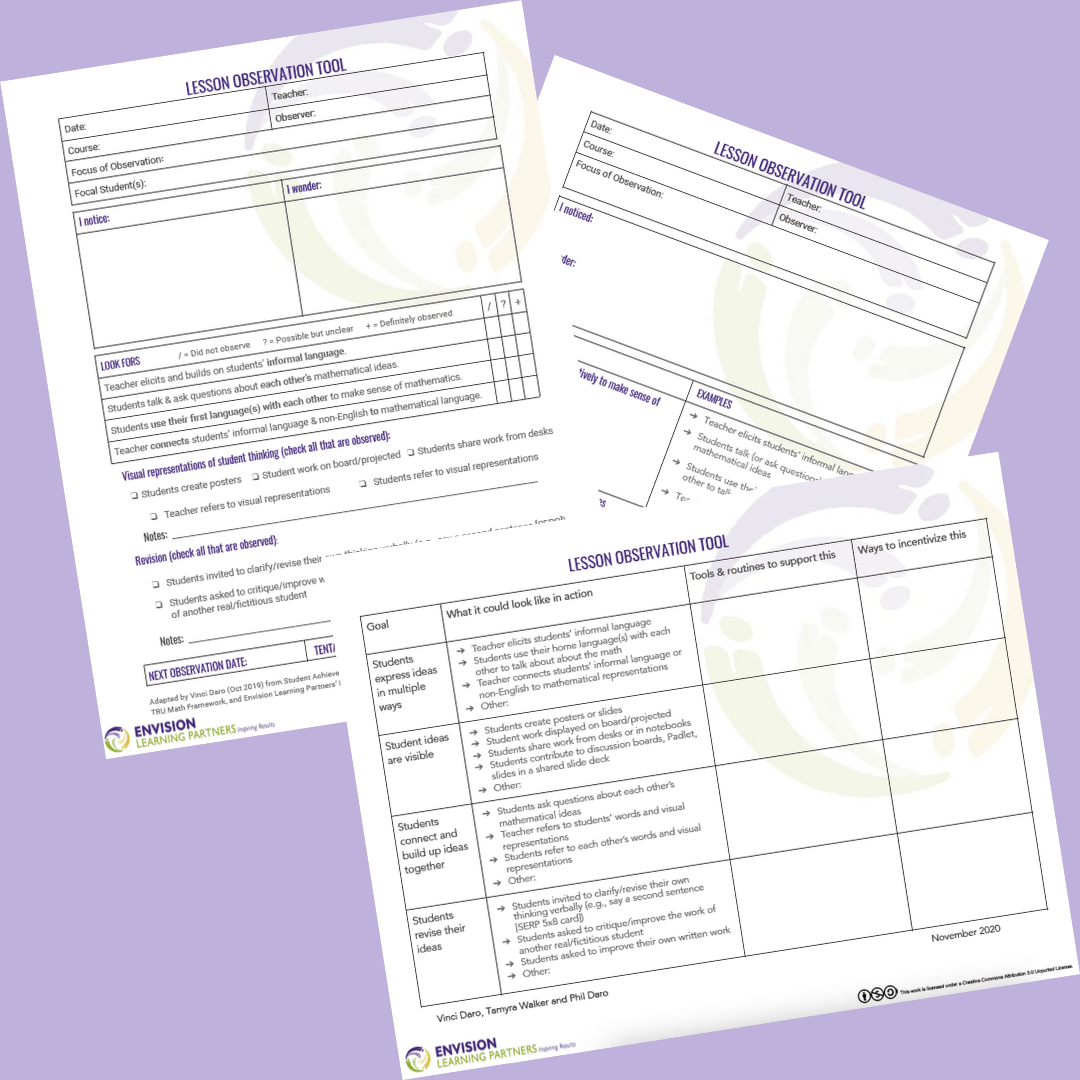
These three observation tools are intended to support ‘minimal-prep’ lesson observation in classrooms where student ideas, language, and interaction are at the center of the learning process. They were specifically designed for mathematics classrooms, but may also be useful in other contexts.
The two Lesson Observation Tools are meant as note catchers and as a manageable list of student and teacher actions to look for. In using these tools, it is important to agree with the teacher on the focus of the observation, for example: Use of instructional routines to surface and develop student ideas and language.
The Language-Rich Classrooms: Observation & Planning Tool is meant for a coach and teacher, or teacher peers, to use together for linking an observation with a conversation about planning next steps. It, too, has a list of example student and teacher actions to look for.
Click the resource button to download the editable PDFs.
Looking for even more resources? Visit the ELP blog for all past newsletter content.
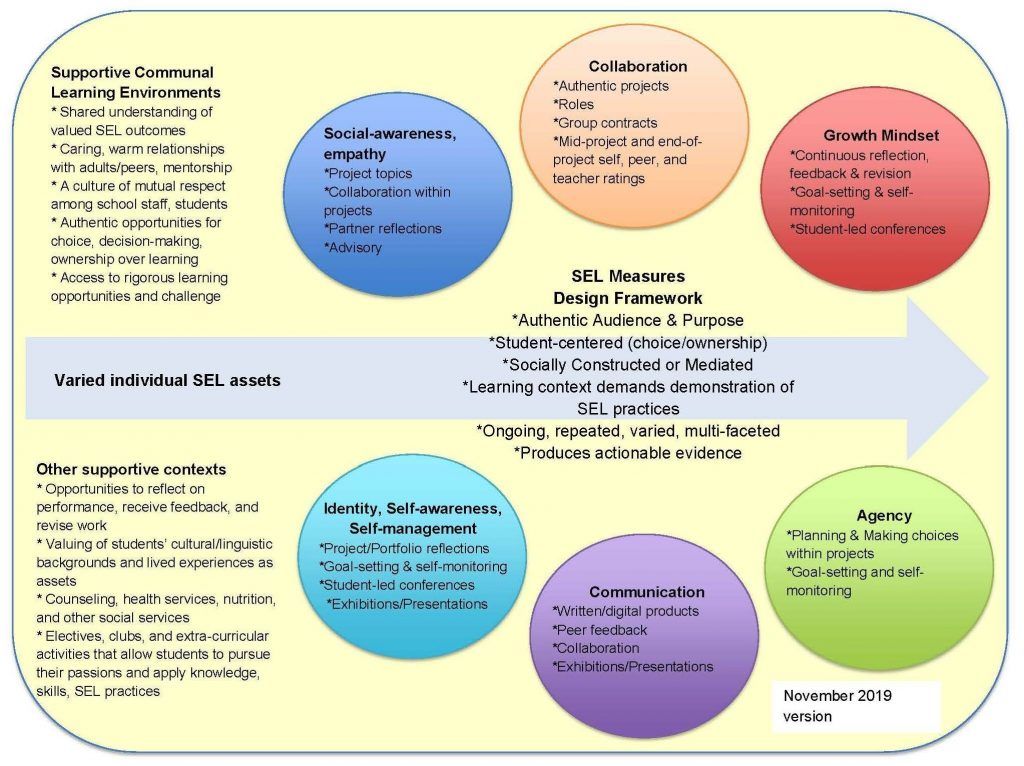
ELP’s Director of Research and Innovation, Ruth Chung Wei, had the opportunity to direct a research study with a team at the Stanford Center for Assessment, Learning, & Equity (SCALE) and ELP called “Measures of Social-Emotional Learning.” The Executive Summary of this three-year project provides an overview of the findings and can be downloaded by clicking on the image below.
Learn more about Ruth in her “I am ELP” highlight, by clicking here.
This resource comes from the 2022 Deeper Learning Conference and is a conversation about modernizing mathematics: perspectives from the classroom and beyond. This panel discussion explores the topic of mathematics teaching and learning in the current age and for the future. ELP Director of STEM Learning, Vinci Daro, is one of the four amazing panelists.
We know that we want students engaging deeply with rigorous content, but knowing what to look for in a classroom where students are struggling productively with rigorous mathematics content is a challenge among many of our partners.
Click the resource button to download!
Take a look at the Productive Struggle Observation Tool our STEM team has developed for observers to use to look for and capture relevant student and teacher actions in math classrooms. Clare Green, principal at Envision Education’s Hayward high school, Impact Academy says this about the tool: “The productive struggle rubric helps to drive a conversation about what high-quality, student-centered instruction looks like. This conversation now happens not only between coaches, teachers, and administrators but also with students.”
Let us know what you think – is the observation tool something that might be useful in your context? What do you look for in classrooms when you want to know if students are struggling productively with meaningful material?
ELP is excited to announce that we have published five new performance task resources in the Performance Assessment Resource Bank (PARB), an online resource that ELP has stewarded since 2018.
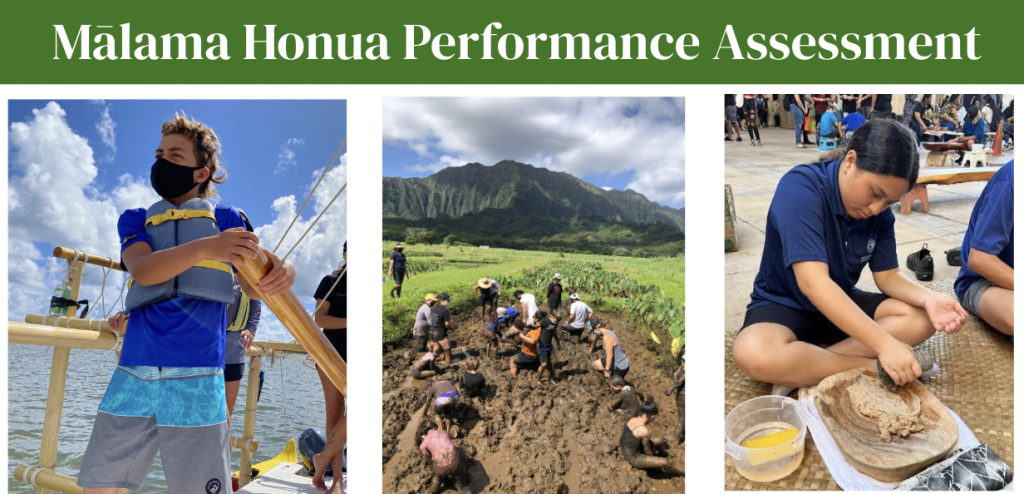
The five new resources are capstone portfolios, projects, and/or portfolio defenses from a consortium of schools in Hawai’i – the Hawaiian Focused Charter Schools (HCFS), which has been developing and implementing culturally sustaining curriculum, instruction, and assessment strategies to cultivate and preserve the language and culture of native Hawaiians. As part of its Culturally Relevant Assessment project, four HFCS schools and an additional charter school submitted capstone projects, ranging from Kindergarten through 12th grade capstones, for review and feedback from ELP during the 2022-23 academic year. Included among these five capstone projects is a Hawaiian-language kindergarten capstone project, the first non-English project to be included in the PARB. The revised projects were then submitted for a formal review process by performance assessment experts for inclusion in the Performance Assessment Resource Bank (PARB), using a hybrid review instrument, “ELP High Quality Performance Assessment Criteria + PARB/ILN Quality Criteria for Performance Assessments,” that combines ELP’s HQPA criteria and the PARB/ILN Quality Criteria developed by SCALE to vet submissions for the PARB.The instrument was adapted to include ʻāina (land)-based learning outcomes. All five of the submitted projects from the HFCS schools met project certification criteria after one or two cycles of review and feedback. ELP benefited from the experience of reviewing these submissions to deepen our understanding of culturally sustaining performance assessment and broadening our practice to be more inclusive of the diverse learners that our nation’s schools serve. This project was completed with the funding and support of the Kamehameha Schools, a private educational institution in Hawaiʻi that aims to improve the capability and well-being of Native Hawaiians through education.
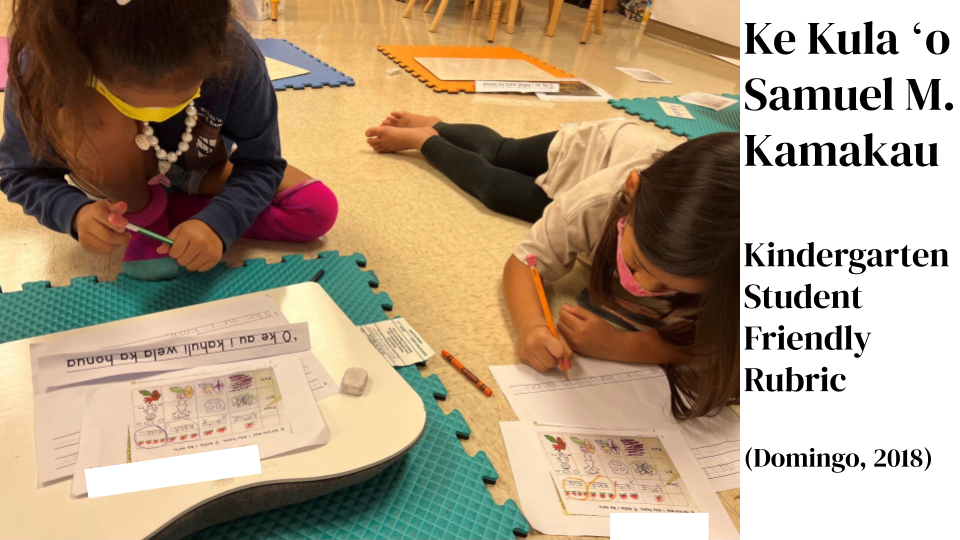
We encourage you to peruse these resources and reach out to learn more!
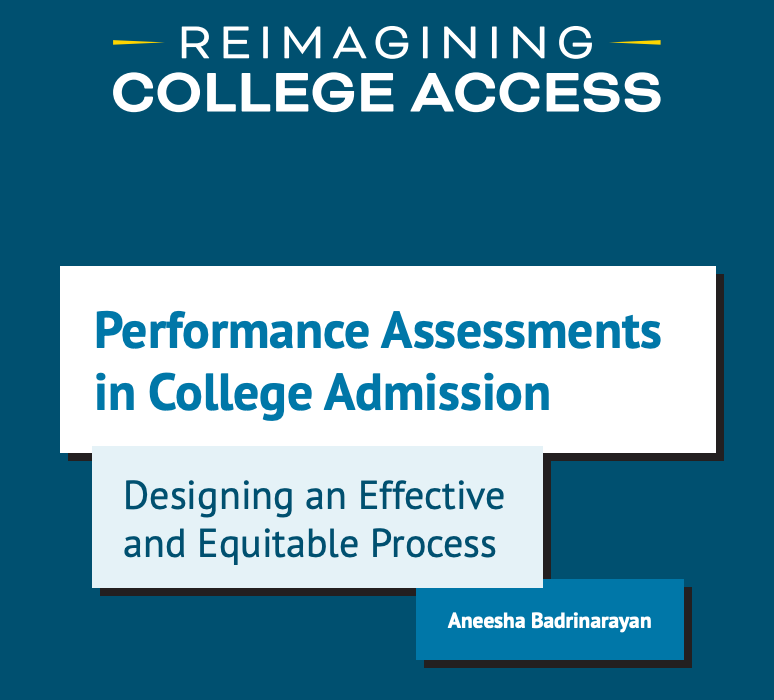
The Reimagining College Access initiative recently released a guidance document, authored by Aneesha Badrinarayan, aimed at colleges interested in integrating performance assessments into their college admission systems: Performance Assessment in College Admission: Designing an Effective and Equitable Process.
Although the tool is designed for admission officers, it can also be used by K–12 educators to gain a better understanding of the considerations that colleges must take into account in the use of performance assessments in admissions. The tool defines performance assessment and then provides concrete guidance on how admission officers can incorporate information about students’ K–12 performance assessments into their application and review processes.
Click the image below to download this tool.
When we meet with a potential school partner, we are often asked: What does the process of evolving into a school with a High-Quality Performance Assessment System (HQPAS) look like? We have worked with thousands of educators serving hundreds of thousands of learners since our inception in 2010 and have developed a Theory of Action that consistently drives the transformation to a HQPAS:
Click the resource button to download!
These three phases, done in that order, lead to a successful implementation of a High-Quality Performance Assessment System. A second common question we hear is focused on implementation steps and timeline. As you can imagine, each partner takes a unique path on its implementation journey, but over the years, we have seen some common elements. This month, we share a simplified project template to give you a better idea of potential steps involved. Enjoy reading and don’t hesitate to reach out with any questions.
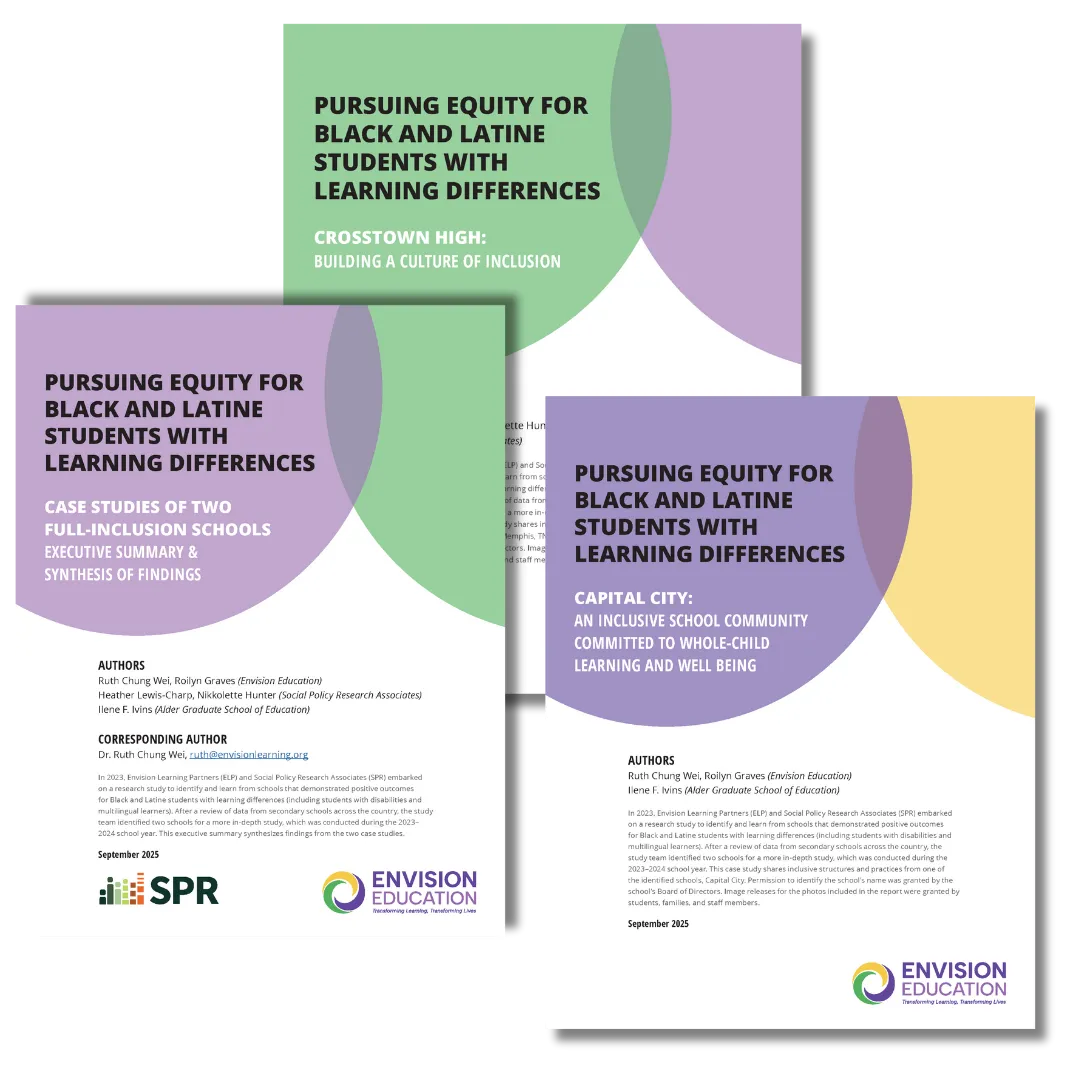
Envision Education is excited to share the culmination of its two-year research project, Pursuing Equity for Black & Latine Students with Learning Differences, which
documents and illustrates the systems, practices, cultures, and supports that are associated with the well being and success of Black and Latine students with learning differences – students with disabilities and multilingual students with disabilities.
In 2023, Envision Learning Partners (ELP) and Social Policy Research Associates (SPR) embarked on a research study to identify and learn from schools that demonstrated positive outcomes for Black and Latine students with learning differences (including students with disabilities and multilingual learners). After a review of data from secondary schools across the country, the study team identified two schools for a more in-depth study, which was conducted during the 2023–2024 school year.
The results of the research are shared through case studies of the two schools that were the focus of the research: 1) Crosstown High: Building a Culture of Inclusion; 2) Capital City: An Inclusive School Community Committed to Whole-Child Learning and Well Being; and 3) An Executive Summary/Synthesis of Findings.
In addition, we have authored four practice briefs based on the findings of the research that provide practical steps that schools can take to create more inclusive environments that support the success of Black and Latine students with learning differences.
This research was made possible through the generous support of New Profit, a venture philanthropic organization, and the Oak Foundation.
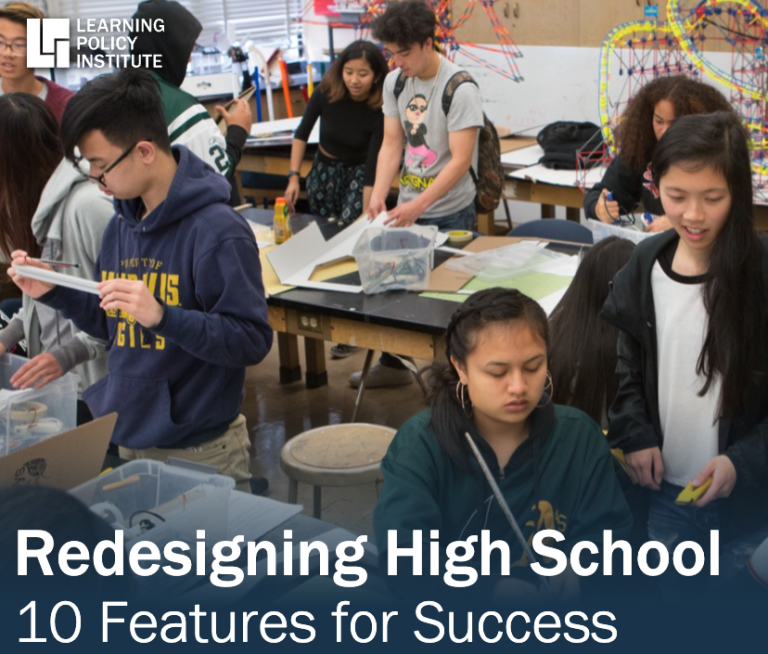
Earlier this year, Learning Policy Institute (LPI) released this resource that outlines 10 features from effectively redesigned high schools and highlights examples of schools that are putting the features into practice to create powerful learning opportunities for youth.
ELP was honored to be listed under the Additional Resources. If you are interested in a redesign or have any questions, contact the ELP team to schedule your free consultation.
Click here to download this resource.

9 Tips for Writing Effective Rubrics – Adapted from the important thinking of our partners at SCALE, this tool attempts to capture the quality criteria of solid rubric design. The tool is helping our partner schools all over the country to develop performance indicators that serve to define proficiency for their Graduate Profile skills. Take a look and share with us any quality criteria you’ve found effective!
Resource Corner: Scaling Student Success Briefs & Policy White Paper

For educators and educational leaders seeking to bring your Graduate Profile to life, Scaling Student Success has released a series of Practice and Policy Briefs to support this journey! The Briefs tell the story of five different districts across California that are successfully integrating their Graduate Profiles (or Learner Portraits) into their curriculum, culture, and classrooms, and seeing a positive impact on student success. They’re a valuable learning resource for any school interested in redefining student success! Learn more and access the briefs here.

Scaling Student Success also recently authored a white paper focused on statewide policy recommendations that support many of the transformation systems we want to see in schools (graduate profiles, authentic assessments, etc.). ELP has offered to be listed as one of the organizations to officially “sign on” to the paper. Click here to read: A Student-Centered Approach to Education.
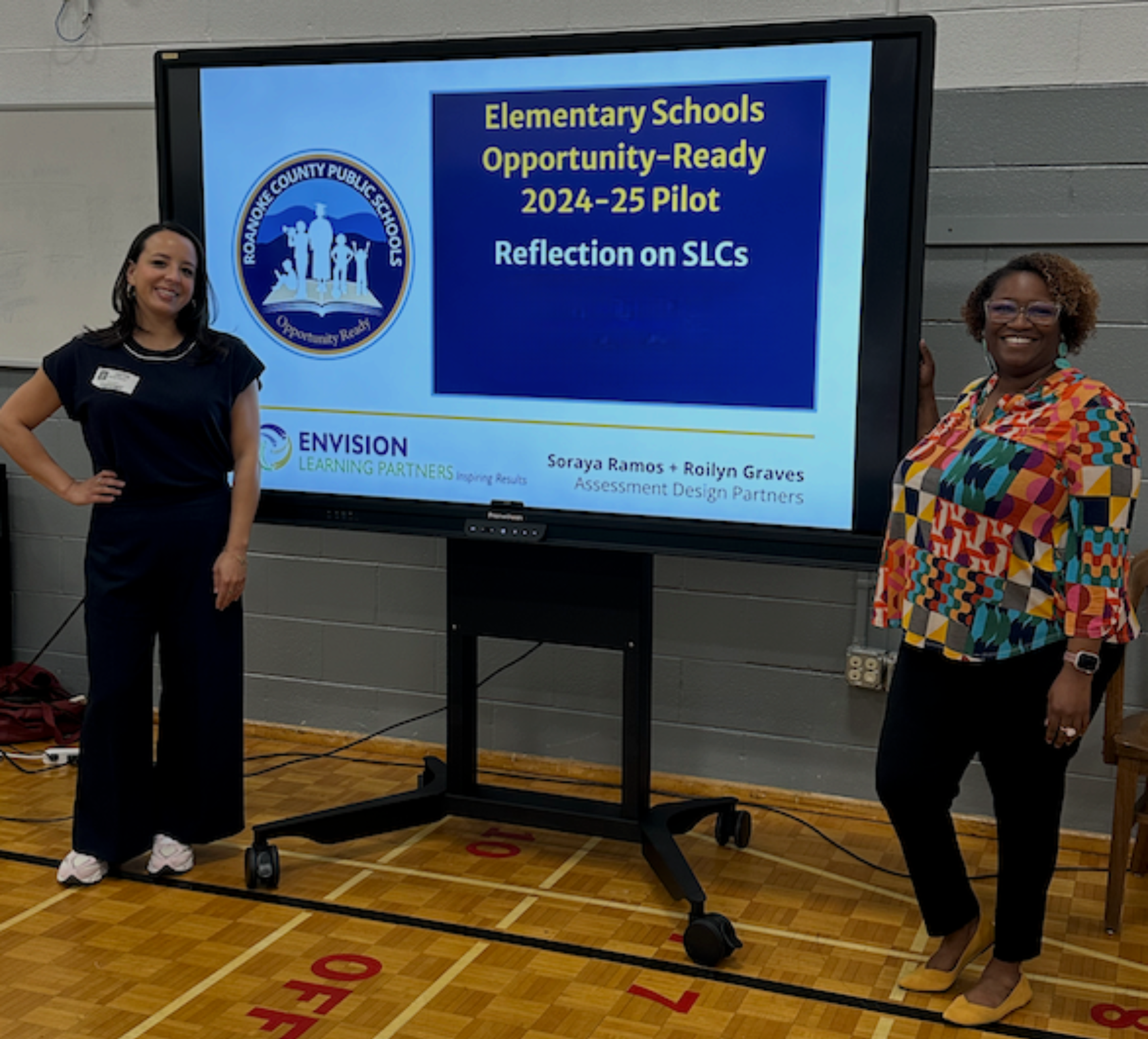
Earlier this spring, Assessment Design Partners Roilyn Graves and Soraya Ramos spent time in Roanoke County Public Schools in Virginia, collaborating with district and school leaders to refine and pilot a culminating performance assessment system aligned to the district’s Opportunity-Ready Skills.
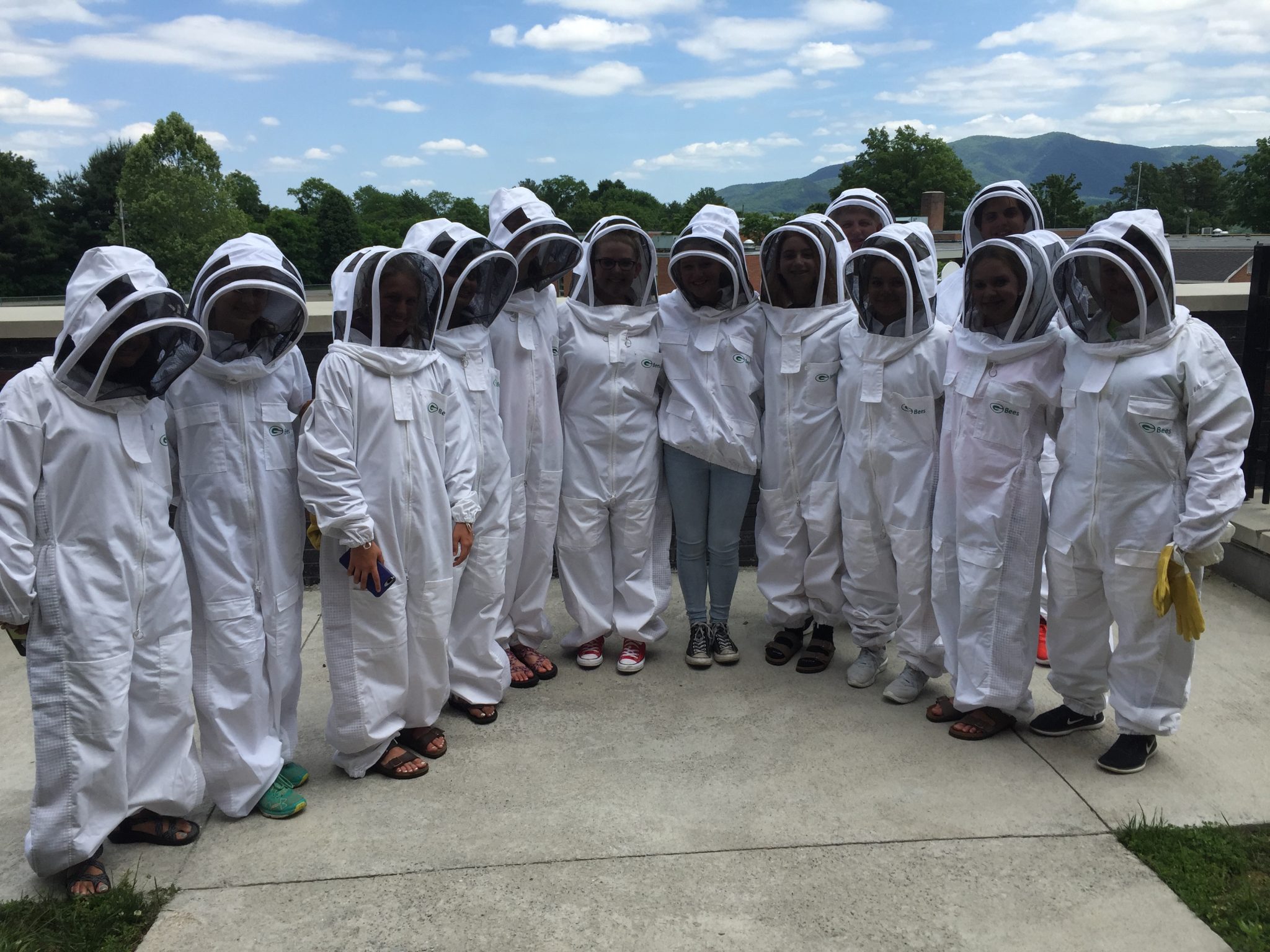
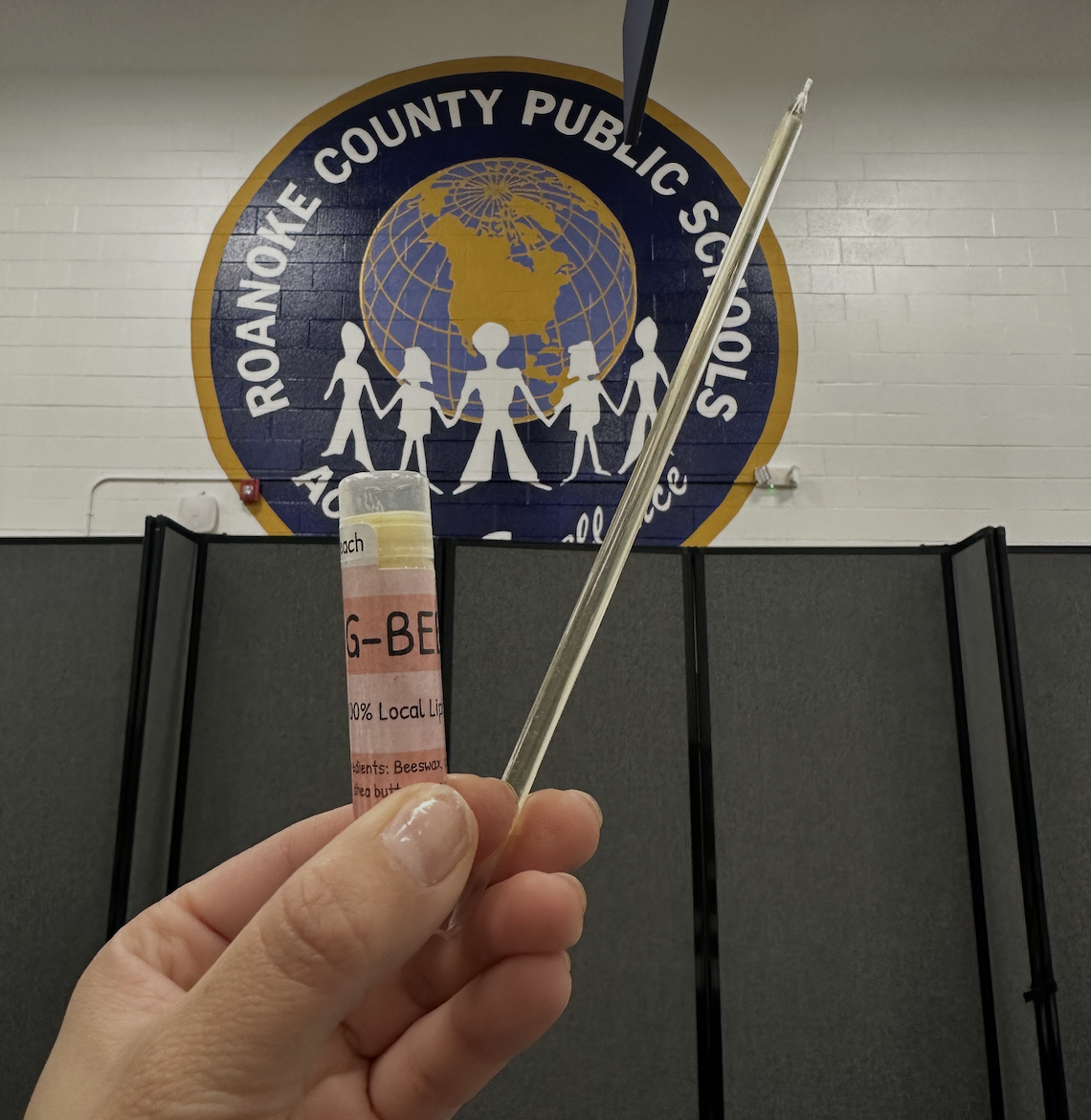
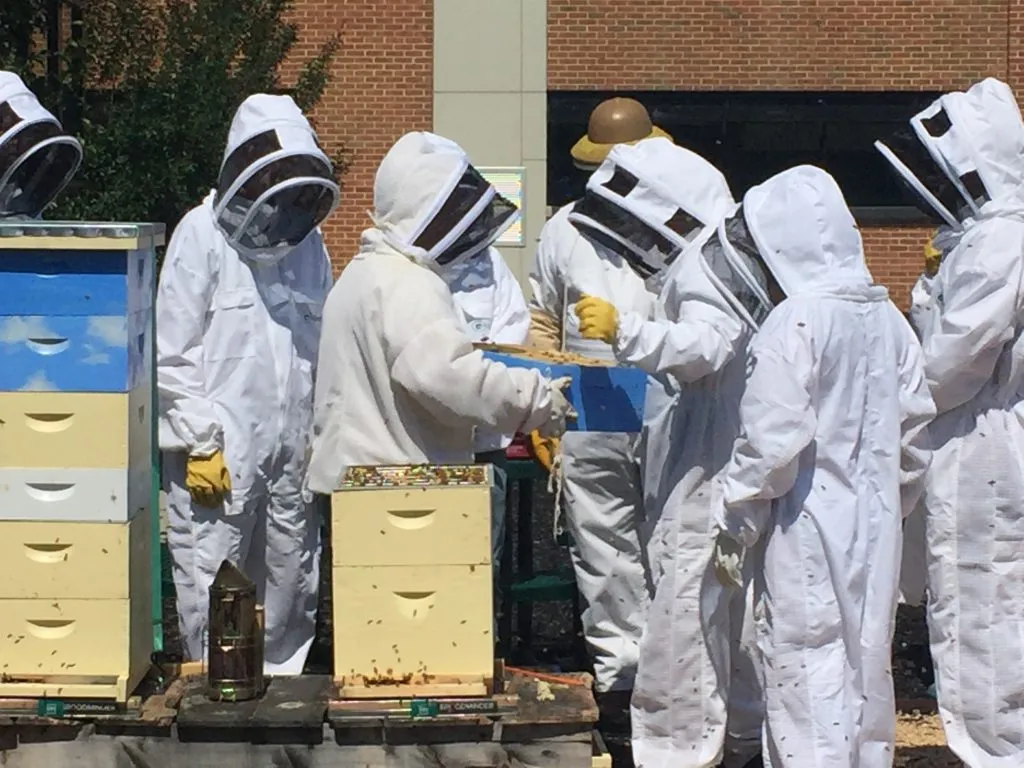
During their visit, they had the opportunity to tour Glenvar High School—and were inspired by an incredible student-led initiative: the G-Bees. This club involves students in every aspect of beekeeping, from hive maintenance to harvesting honey, and even crafting a range of products like lip balm, soap, candles, hot honey, and more.
Through this hands-on work, students are not only gaining valuable entrepreneurial experience, but also raising funds for outdoor education and scholarships. It’s a powerful example of student-centered, purpose-driven learning at its best.
The G-Bees program is truly performance assessment in action—students applying their knowledge and skills in meaningful, real-world ways. While online sales aren’t available, we’re excited to share their story as a model of what authentic, engaged learning can look like.
Learn more about the program through this link.
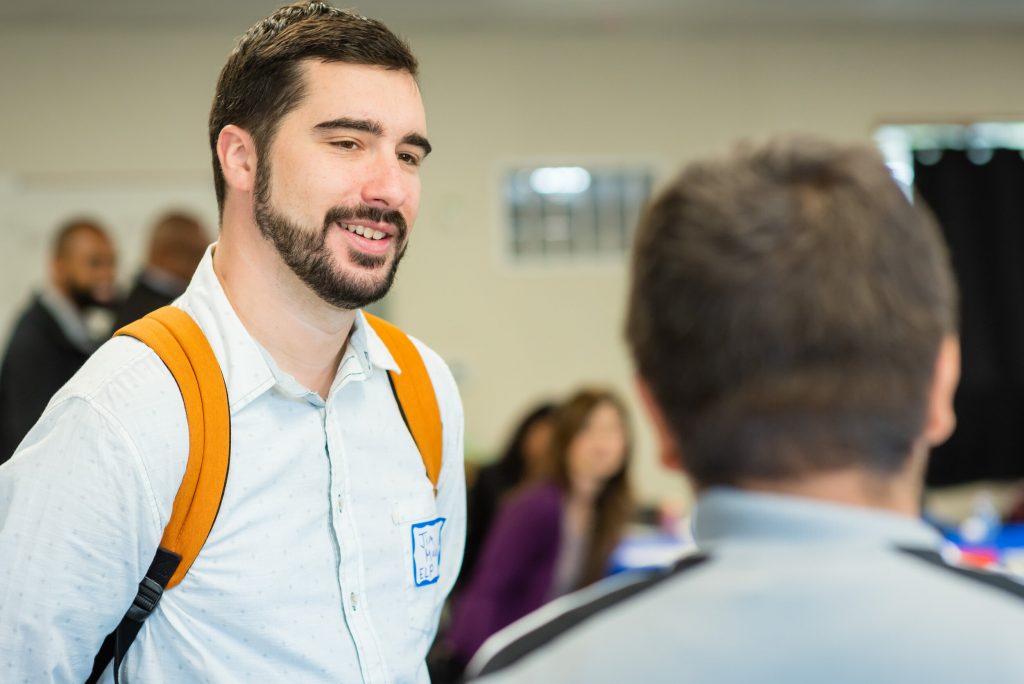
This month, watch ELP STEM assessment specialist, Jim Malamut, share his ideas on Proximity of Evidence to student thinking.
Looking for more resources? Visit the ELP blog page for all past newsletter content.