I am ELP: Michael Ramirez-Figueroa, Envision Academy 11th Grade Intern
Published on
March 12, 2024
Heading 1
Heading 2
Heading 3
Heading 4
Heading 5
Heading 6
Lorem ipsum dolor sit amet, consectetur adipiscing elit, sed do eiusmod tempor incididunt ut labore et dolore magna aliqua. Ut enim ad minim veniam, quis nostrud exercitation ullamco laboris nisi ut aliquip ex ea commodo consequat. Duis aute irure dolor in reprehenderit in voluptate velit esse cillum dolore eu fugiat nulla pariatur.
content paragraph for dropdown (this does not appear on staging)
Hi I’m Michael, an 11th grade student from Envision Academy, born and raised here in the Bay Area. Interests that I have are the inner workings of cars and what goes into building/modifying them. I’m very interested in the Mechanical Engineering world and would love to pursue a career in it. I look forward to spending the week with the ELP team and learning from them in order to grow as both a person and finding out what makes things work.
I chose to go to Envision Academy in Oakland because I heard great things about the school from my older brother who also attended for the full 4 years. So far I’ve had a great experience at Envision Academy with the school being very inclusive, I never feel out of place.
Here are a few things that I am doing at school: A bridge project in my Physics class where me and a group of students work together to design a bridge that can hold up at least one brick. A satirical piece of writing in my English class where I am pointing out a problem of my choice in today’s world/society while incorporating ideas like irony into the text.
Right now I am looking at colleges which can help the dream of me wanting to become a Mechanical Engineer with a friend of mine contributing to it as well. We have a full list of colleges with each being color coded to indicate how likely we are to be accepted, with green being we are sure to get in and red being a longshot. I am currently looking at Georgia Tech and Stanford University as my top two choices for Mechanical Engineering classes.
What I want to take from this experience of working with the ELP team is how organized and calculated I can get with all my work, but also researching so I can continue to investigate more opportunities that I and others can benefit from.
Week Recap:
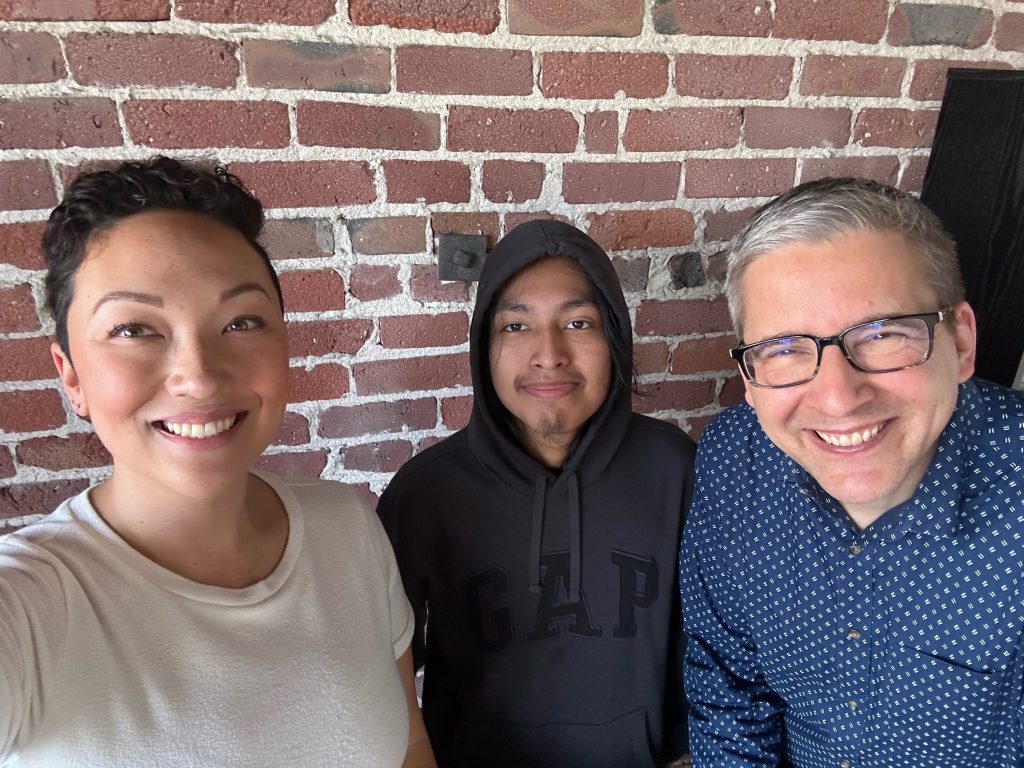
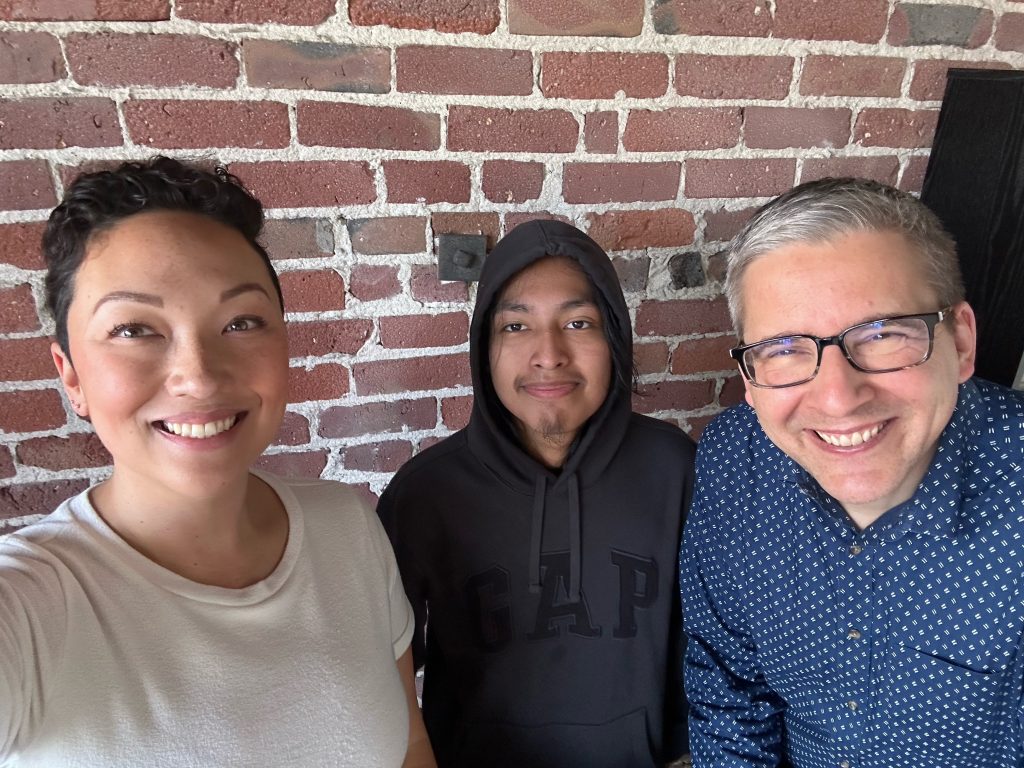
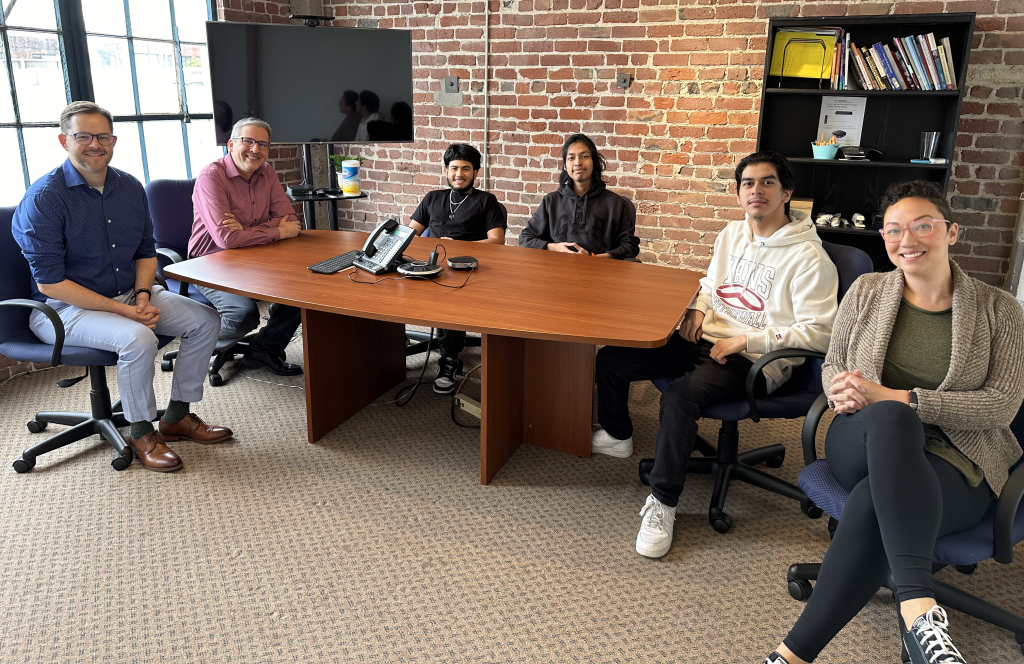
Michael on Day 1 with ELPers, Courtney & Royce
My week here has been amazing. Being able to meet all these amazing people that helped me settle in and feel welcome was exciting. I got to learn what goes on behind the scenes here and also have my share in the conversations not being left out of meetings and being asked for my inputs on a variety of subjects. A skill I improved at was my communication and planning skills. By being able to participate in the meetings I got better at talking with people that are older but also come from different backgrounds than me. Having control over my schedule also gave me a better understanding on how to handle my time in order to get the work I need done but also make time for other things, whether that be meetings or interviews by my fellow peers. I would recommend that other schools also start to implement an internship week of sorts because the opportunities and just overall knowledge that gain from a work environment is different to that of a school one. The amount of connections you can gain would be very helpful for students so that they get a sense of what their future can hold for them and it would also help them narrow what it is they actually want to do.
Michael was also able to interview three other Envision Academy interns who were at the Envision Education Support Office in Oakland, CA.
Start of the week:
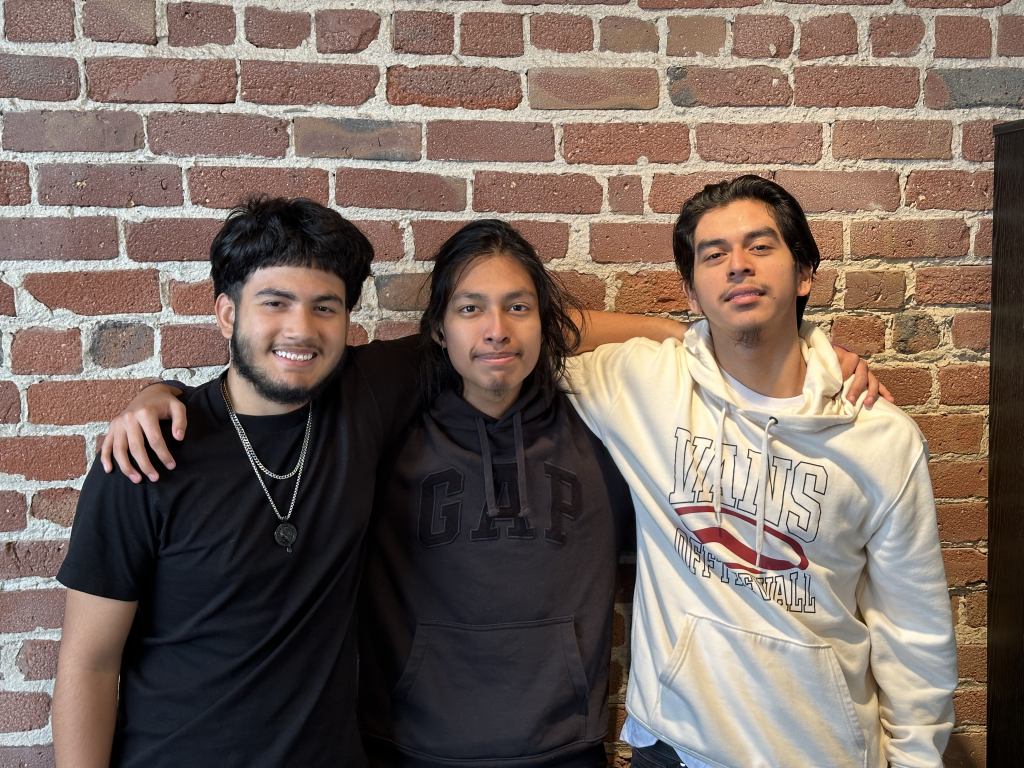
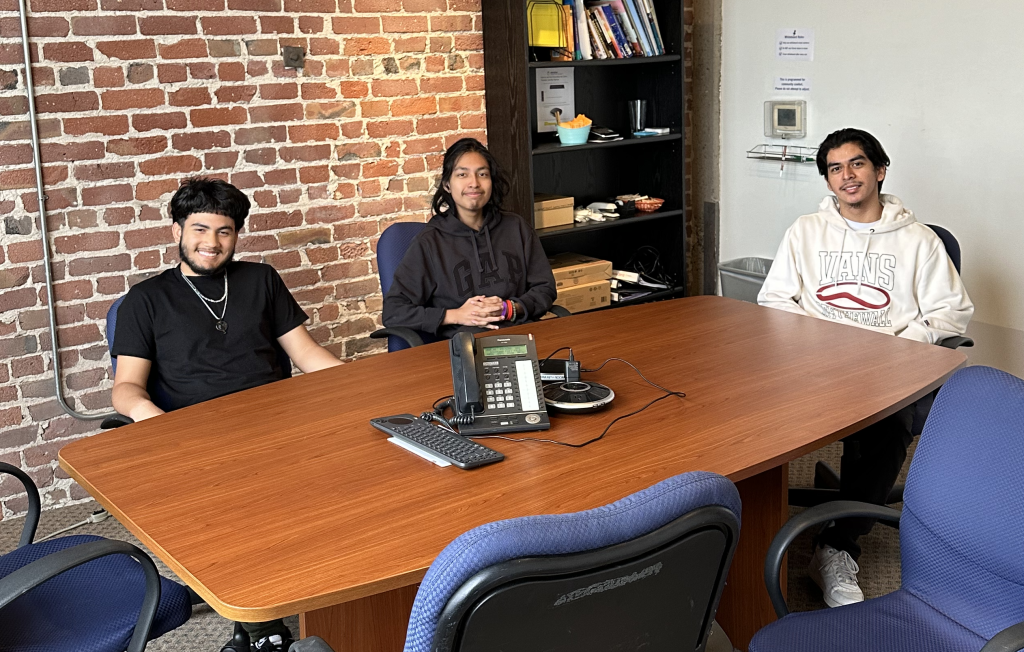
L to R: Cristian, Michael, Jesus
Cristian: “I chose this because David, my mentor, the senior directive of student services, made me interested in learning more about the school policies and how they work. I want to gain a different perspective of life, although there are many other opportunities, I want one that hears about students and how they feel when it comes to certain activities. I want to improve my communication skills, not just with students but with adults too. I want to become a structural engineer/architect. What interests me about Envision is its cultural theme and how inclusive they are with African American, hispanic, etc, and how they treat them and their months for example black history month, especially with how inclusive they can be. I’m a sports guy. I play a different variety of sports like baseball, soccer, football, etc. I played for the school soccer team this year. I was thinking of going to a college in Boston or Riverside, San Jose State university.”
Jesus: “I chose this internship because it was close to my home and the work seemed interesting to do throughout the week. I want to learn what are the steps that ELP does to work with the school and how the hiring process works here. I want to improve my communication skills. What interested me about Envision was how it was really close to my house and my siblings had already gone to Envision before. I want to pursue a career in real estate. I like to play soccer, baseball, and I’m interested in the process of making music. I also like to play different instruments like the guitar, accordion, and the drums. I was thinking of trying out Sonoma State, UC Santa Cruz, Cal State, and UC Davis.”
Interns with some of their Support Office Staff
Melanie: “I wanted to go into a medical field assisting but things didn’t work out, but Mr.Viera introduced me to Ms.Kat and the idea interested me because she works with HR and the higher ups, staff, and teachers so I wanted to look more into what goes on behind the scenes at Envision to make things work at the school. I want to learn more about the environment and Ms.Kat’s routine, and what goes on behind the scenes because I didn’t think that all this went on to make the school work. I thought it was just the Principal and the staff at the school. I want to improve my communication skills and hands on work with computers like google docs and sheets. What interests me about Envision is that it’s a small community so you’re able to know almost everybody and with how it is an art and technology school I had an interest in going here when I was coming out of middle school. I’m very interested in the medical field, more specifically the dental industry. I like to explore, hang with my friends, and create memories while also having fun. Some colleges I have on my mind are UC Santa Cruz, UC Santa Barbara, and Cal Poly.”
End of the week:
Cristian: “I learned a lot of communication skills, being able to interview teachers, students, and other staff, all of these being people I do and don’t know broadened my interviewing skills. I got to create more and better bonds with all these people. Other Jobs I did were to attend a lot of meetings. The fun part about that was being able to go out, visiting the office, and getting a lot of new views/perspectives on different topics. My experience here was good. I got to meet new people and learn more about them, their job titles, and all the work they do to make everything happen. I think it’s a good idea to add an internship week for other schools because it’s a valuable learning experience, getting them slowly out of their comfort zone white also giving them knowledge on career paths that they themselves might want to pursue after the week is done.”
L to R: Cristian, Michael, Jesus
Jesus: “My week here went well and I definitely learned about the process of how teachers are hired and what they look for in teachers. A skill I improved on was being able to stay focused on a piece of work since I’m very easy in getting distracted so this internship bettered my focus. I would recommend this internship to other Envision students because it’s an easy job but you gain so much knowledge and you learn a lot from being here. I would recommend other schools to also start doing an internship style week because of the amount of opportunities you gain. For example, I was able to get a letter of recommendation from my mentor here. You also get to actually experience what the working world is like and it’ll give an early opportunity for students to learn about it.”
Melanie: “My week was very flexible and very calm, the first day I got an understanding of what the rest of my week was going to look like. After that I spent my time doing my work and overlooking my mentor to get a better understanding of what she does. I’ve learned that the process of having new people is not just accepting the job on the spot there is so much behind it. It can take weeks looking at them and accepting new staff and what they actually look at for potential staff. I improved my understanding and listening better with one on one talks with my mentor, asking her questions, and also just paying attention better. Just comprehension skills overall. I do recommend for other schools to start an internship like week because of the new environment you can get into and the vast majority of opportunities you can get by just meeting new people. A lot of students might not get the most out of just going to school so it would be very great to also learn about other experiences at other workplaces, while also giving students new jobs to look at that they might be interested in pursuing in their future.”
Insights, partner highlights, guest perspectives, and resources to support your work
Roanoke County Public Schools has been partnering with Envision Learning Partners for the past four years to develop and implement a comprehensive performance assessment system aligned with their Opportunity Ready Graduate Profile. This collaboration has fundamentally transformed how students demonstrate essential skills needed for future success in an increasingly complex world.
A Decade of Transformation
The journey began a decade ago when Roanoke County developed their C-Change Framework, which meticulously detailed the conditions needed for deeper learning to thrive within school communities. This framework addressed multiple dimensions, including school and classroom climate, professional growth, support services, and learning culture. It also emphasized finding balance between preparing students for standardized testing and developing the critical skills needed to navigate a rapidly changing world.
Working with diverse stakeholders, they articulated the Opportunity Ready Graduate Profile, which defines the skills and attributes necessary for students to successfully navigate evolving life and career pathways and seize opportunities that come their way. Despite this solid foundation, the district initially struggled to quantify these skills in ways that were both meaningful and conducive to growth.
Partnership with Envision Learning Partners
This challenge led Roanoke County to form a strategic partnership with Envision Learning Partners. Over the past four years, they’ve evolved from conceptualizing what their assessment system could be to implementing a robust program across all 26 schools in the district. This systematic approach to performance assessment now forms a cornerstone of their educational philosophy.
Opportunity Ready Portfolio Process
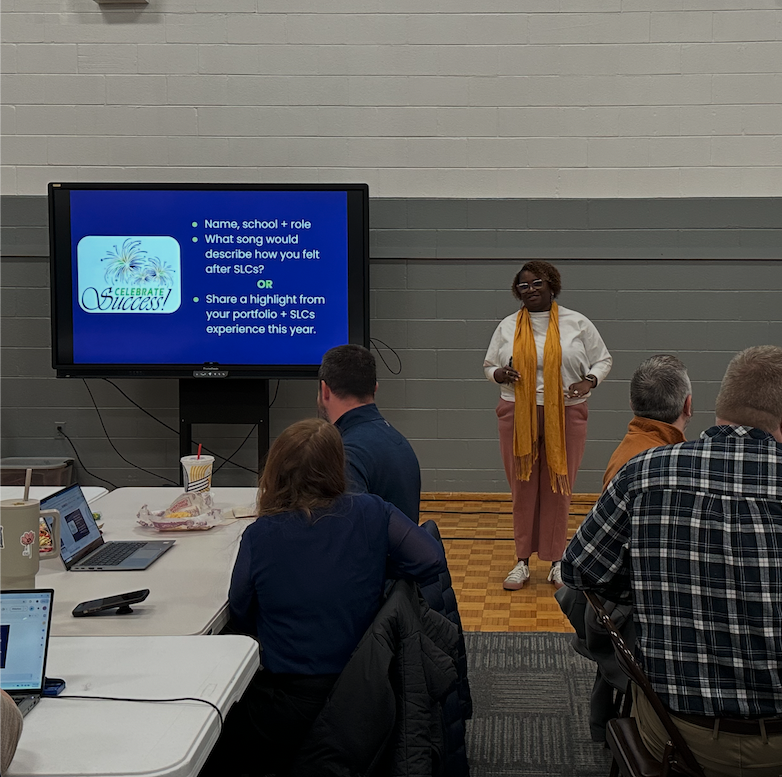
At the heart of this work is the Opportunity Ready Portfolio Presentation, where students demonstrate mastery of three critical skills: Communication, Collaboration, and Critical Thinking. Using a structured process guided by clear rubrics and expectations, students select artifacts from their in-school and out-of-school learning experiences as evidence of their skill development.
Each student presentation is guided by the driving question: “How have I demonstrated and grown in my Opportunity Ready Skills as a Communicator, Collaborator, and Critical Thinker this school year, and how will I apply these Opportunity Ready skills to what’s next for me, including my future career?”
Trained panel members, including at least one member from the school’s design team, evaluate these presentations using standardized rubrics that assess specific performance outcomes for each skill area. The panels follow a structured protocol for scoring student work, ensuring consistency and fairness while providing constructive feedback.
Transformative Impact
“We learned that you don’t know what your students are capable of until you ask and give them a chance to respond,” shares one district leader. “We have been blown away by what our students are able to demonstrate through our performance assessment system.”
The impact of this work extends throughout the educational community:
For students, the process has revealed the power of reflection. Many students express surprise at how much they’ve grown until they take time to reflect on their learning journey. This metacognitive awareness strengthens their sense of personal growth and achievement.
Teachers, while initially cautious about the workload involved in preparing for conferences and defenses, become enthusiastic advocates after witnessing students’ presentations. As one administrator noted, “To a person, they are invigorated and excited to begin planning for the next year once they see it in action.”
For administrators and district leaders, the presentations have rekindled passion for educational transformation. “The impact the presentations have on the panel, parents, and staff has reignited our drive for this work,” reports a district representative.
Stories of Transformation
The most compelling evidence comes from individual student experiences. One particularly moving example involved a student who had struggled significantly during middle school. During their senior defense, the student articulated their growth journey with such clarity and reflection that “there was not a dry eye in the room.” This transformative moment exemplifies how the process helps students recognize and celebrate their own development while preparing them for future challenges.
Looking Forward
Through this ongoing partnership with Envision Learning Partners, Roanoke County Public Schools continues to refine and expand their performance assessment system. The district’s commitment to developing the whole student—not just academic knowledge but essential life skills—positions their graduates to thrive in whatever paths they choose after high school, whether in higher education, careers, or military service.
By creating authentic opportunities for students to demonstrate mastery of critical skills, reflect on their growth, and connect their learning to future aspirations, Roanoke County Public Schools is preparing students not just for tests, but for life beyond graduation in a rapidly changing world.
In this special Guest Blog Video Interview, hear from Alcine Mumby and Laureen Adams, interviewed by Niloy Gangopadhyay and Courtney Katen.
This interview was sparked by Alcine’s recent travel to the Ghana ASCD Educators’ Summit 2024 earlier this year.
Learn about Alcine and Laureen’s history- all starting in Oakland at Envision Academy, what Laureen took away and still carries with her as leader of the Tutu Institute in Ghana, why she believes so deeply in performance assessment, and what’s up next for her work continuing to support educators and systems.
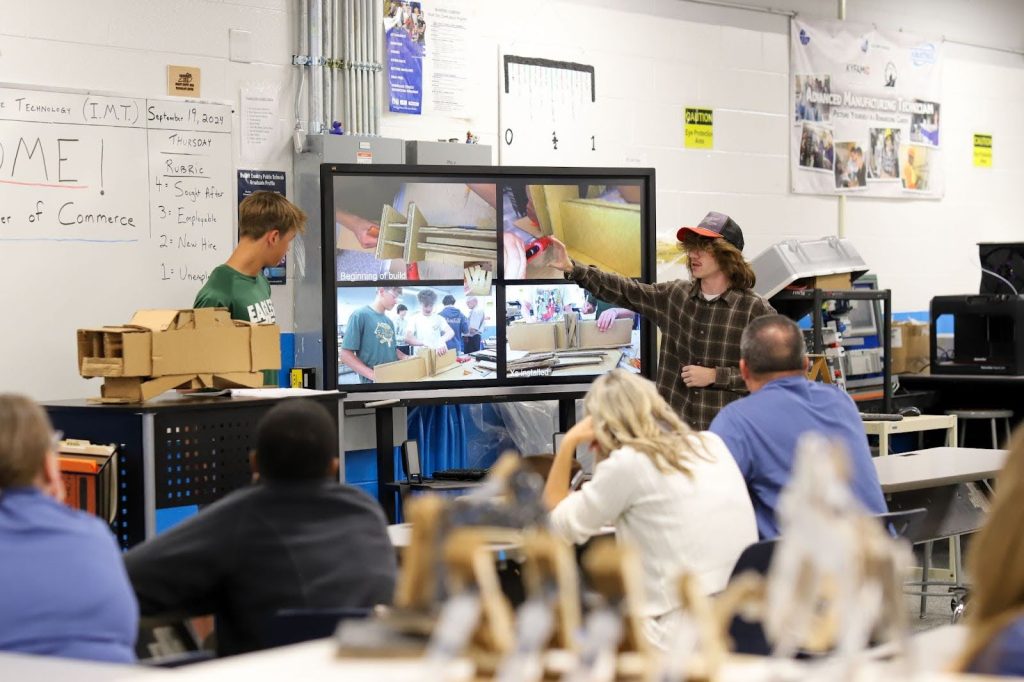
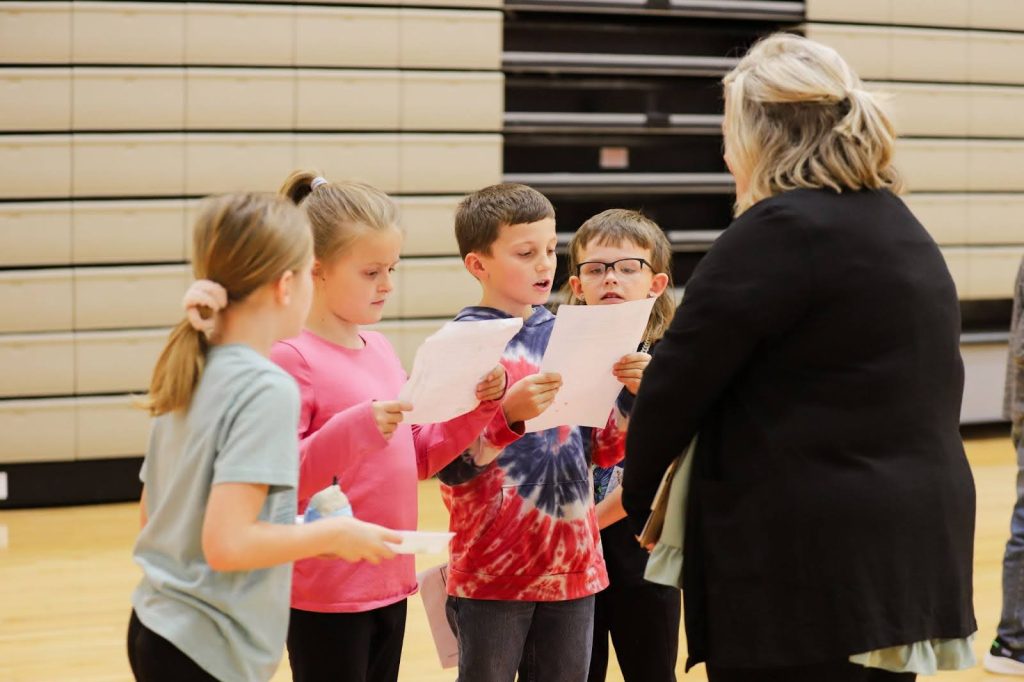
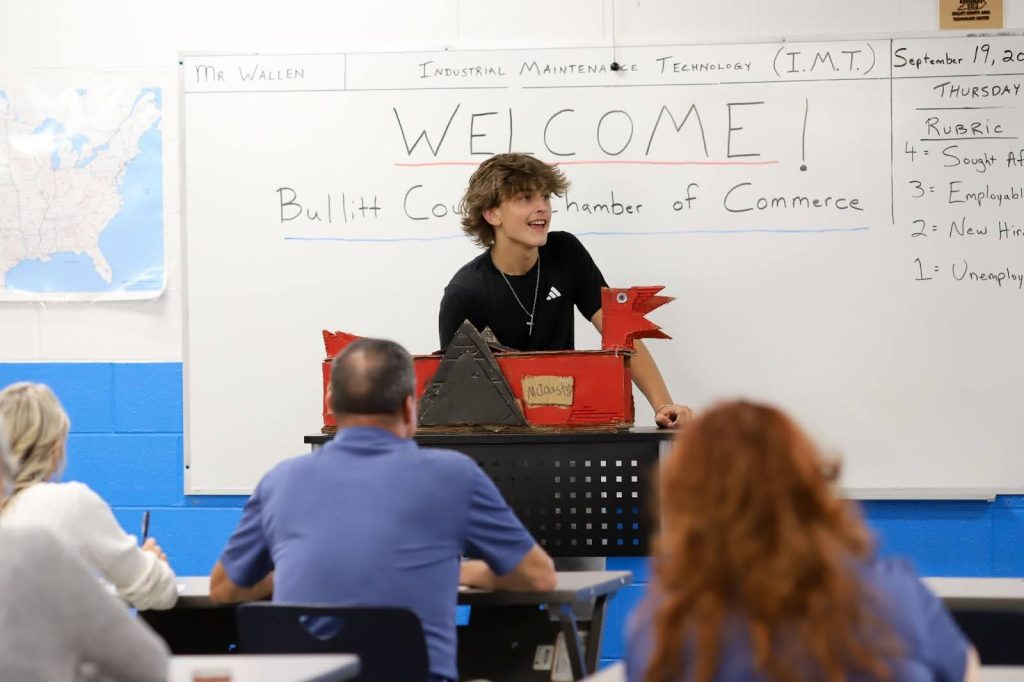
Bullitt County Public Schools is a public school district in Shepherdsville, KY that serves students from pre-K through 12th grade. The district is committed to providing a world-class education that prepares students for success beyond high school.
Envision Learning Partners has worked with Bullitt County Public Schools since 2018, partnering on their Graduate Profile development and performance assessment system. Bullitt County’s Superintendent, Dr. Jesse Bacon, and Assistant Superintendent, Dr. Adrienne Usher, are also both alumni of ELP’s Deeper Learning Leadership Forum.
In this Partner Profile, we hear from Assistant Superintendent, Adrienne Usher.
How are you advancing your Performance Assessment System? Is there one story you can share that illustrates how this work is benefitting your school, students or teachers?
Advancing the Performance Assessment System in Bullitt County Public Schools involves the creation of Graduate Profile Performance outcomes for students in Grades K-2, 3-5, and 9-12. A notable story comes from a graduate of the district who, after completing postsecondary education, entered the workforce. This individual reflected on a high school assessment experience involving a presentation to a city council to solve a community problem, which proved invaluable when preparing for an engineering position interview. College courses, according to this graduate, did not fully address aspects of the interview process, including content, dispositions, and competencies. This example highlights the effectiveness of the performance assessment system in preparing students not only for specific occupations but also for broader workforce preparation.
What have you learnt during this process?
The process of transforming assessment has revealed the need to rethink its purpose and identify who truly owns it—students. While teachers play a critical role in this process, it is students who take ownership of their learning. Empowering students to demonstrate their learning fosters motivation and a deeper understanding of its larger purpose.
What is the impact you are seeing on students and their work?
The implementation of performance assessments and student ownership of learning is having a significant positive impact on students and their work. Students are more motivated as they recognize the relevance of their learning beyond the classroom. This approach is also fostering necessary dispositions and competencies, aligned to our Graduate Profile, preparing students for future challenges in higher education, the workforce, and beyond. By developing the skills to articulate their knowledge and connect it to meaningful purposes, students are not only achieving academic success but also growing into lifelong learners equipped for a dynamic and evolving world.
What is the impact you are seeing on teachers and their practice?
The gradual shift embedding performance assessments is creating meaningful changes in teachers and their practice. Teachers are rethinking the purpose of assessment on a continuum of traditional, transitional, and transformational methods that emphasize student ownership of learning combining academics and our Graduate Profile competencies. Teachers are becoming facilitators of learning, guiding students to take responsibility for their growth and encouraging reflection and self-assessment. This approach is also enhancing teachers’ instructional practices, as they integrate more student-centered strategies and focus on developing dispositions and competencies alongside content knowledge. The process is reinvigorating teachers’ sense of purpose and enthusiasm for a new school experience.
What is the impact of this work ON YOU as a practitioner?
The impact of this work I have experienced, as a practitioner, is related to understanding a larger purpose for school and its connection to the community and society. School can be viewed as a place to gain knowledge and get a high school diploma and it ends there. However, connecting school and assessment that impacts students in more comprehensive ways is about life preparation. In reality, the school experience, which includes teaching, learning, and assessment, is a reflection of what the greater community (students, parents, community members, industry partners, etc.) values. If communities want graduates to be more prepared and successful in the workforce and as citizens, collaboration that provides opportunities for learning and assessment which connects academics to real world problem solving is a future-focused necessity.
Explore our diverse events. Enhance your expertise, connect with thought leaders, and broaden your horizons.
Roanoke County Public Schools has been partnering with Envision Learning Partners for the past four years to develop and implement a comprehensive performance assessment system aligned with their Opportunity Ready Graduate Profile. This collaboration has fundamentally transformed how students demonstrate essential skills needed for future success in an increasingly complex world.
A Decade of Transformation
The journey began a decade ago when Roanoke County developed their C-Change Framework, which meticulously detailed the conditions needed for deeper learning to thrive within school communities. This framework addressed multiple dimensions, including school and classroom climate, professional growth, support services, and learning culture. It also emphasized finding balance between preparing students for standardized testing and developing the critical skills needed to navigate a rapidly changing world.
Working with diverse stakeholders, they articulated the Opportunity Ready Graduate Profile, which defines the skills and attributes necessary for students to successfully navigate evolving life and career pathways and seize opportunities that come their way. Despite this solid foundation, the district initially struggled to quantify these skills in ways that were both meaningful and conducive to growth.
Partnership with Envision Learning Partners
This challenge led Roanoke County to form a strategic partnership with Envision Learning Partners. Over the past four years, they’ve evolved from conceptualizing what their assessment system could be to implementing a robust program across all 26 schools in the district. This systematic approach to performance assessment now forms a cornerstone of their educational philosophy.
Opportunity Ready Portfolio Process
At the heart of this work is the Opportunity Ready Portfolio Presentation, where students demonstrate mastery of three critical skills: Communication, Collaboration, and Critical Thinking. Using a structured process guided by clear rubrics and expectations, students select artifacts from their in-school and out-of-school learning experiences as evidence of their skill development.
Each student presentation is guided by the driving question: “How have I demonstrated and grown in my Opportunity Ready Skills as a Communicator, Collaborator, and Critical Thinker this school year, and how will I apply these Opportunity Ready skills to what’s next for me, including my future career?”
Trained panel members, including at least one member from the school’s design team, evaluate these presentations using standardized rubrics that assess specific performance outcomes for each skill area. The panels follow a structured protocol for scoring student work, ensuring consistency and fairness while providing constructive feedback.
Transformative Impact
“We learned that you don’t know what your students are capable of until you ask and give them a chance to respond,” shares one district leader. “We have been blown away by what our students are able to demonstrate through our performance assessment system.”
The impact of this work extends throughout the educational community:
For students, the process has revealed the power of reflection. Many students express surprise at how much they’ve grown until they take time to reflect on their learning journey. This metacognitive awareness strengthens their sense of personal growth and achievement.
Teachers, while initially cautious about the workload involved in preparing for conferences and defenses, become enthusiastic advocates after witnessing students’ presentations. As one administrator noted, “To a person, they are invigorated and excited to begin planning for the next year once they see it in action.”
For administrators and district leaders, the presentations have rekindled passion for educational transformation. “The impact the presentations have on the panel, parents, and staff has reignited our drive for this work,” reports a district representative.
Stories of Transformation
The most compelling evidence comes from individual student experiences. One particularly moving example involved a student who had struggled significantly during middle school. During their senior defense, the student articulated their growth journey with such clarity and reflection that “there was not a dry eye in the room.” This transformative moment exemplifies how the process helps students recognize and celebrate their own development while preparing them for future challenges.
Looking Forward
Through this ongoing partnership with Envision Learning Partners, Roanoke County Public Schools continues to refine and expand their performance assessment system. The district’s commitment to developing the whole student—not just academic knowledge but essential life skills—positions their graduates to thrive in whatever paths they choose after high school, whether in higher education, careers, or military service.
By creating authentic opportunities for students to demonstrate mastery of critical skills, reflect on their growth, and connect their learning to future aspirations, Roanoke County Public Schools is preparing students not just for tests, but for life beyond graduation in a rapidly changing world.
In this special Guest Blog Video Interview, hear from Alcine Mumby and Laureen Adams, interviewed by Niloy Gangopadhyay and Courtney Katen.
This interview was sparked by Alcine’s recent travel to the Ghana ASCD Educators’ Summit 2024 earlier this year.
Learn about Alcine and Laureen’s history- all starting in Oakland at Envision Academy, what Laureen took away and still carries with her as leader of the Tutu Institute in Ghana, why she believes so deeply in performance assessment, and what’s up next for her work continuing to support educators and systems.
Bullitt County Public Schools is a public school district in Shepherdsville, KY that serves students from pre-K through 12th grade. The district is committed to providing a world-class education that prepares students for success beyond high school.
Envision Learning Partners has worked with Bullitt County Public Schools since 2018, partnering on their Graduate Profile development and performance assessment system. Bullitt County’s Superintendent, Dr. Jesse Bacon, and Assistant Superintendent, Dr. Adrienne Usher, are also both alumni of ELP’s Deeper Learning Leadership Forum.
In this Partner Profile, we hear from Assistant Superintendent, Adrienne Usher.
How are you advancing your Performance Assessment System? Is there one story you can share that illustrates how this work is benefitting your school, students or teachers?
Advancing the Performance Assessment System in Bullitt County Public Schools involves the creation of Graduate Profile Performance outcomes for students in Grades K-2, 3-5, and 9-12. A notable story comes from a graduate of the district who, after completing postsecondary education, entered the workforce. This individual reflected on a high school assessment experience involving a presentation to a city council to solve a community problem, which proved invaluable when preparing for an engineering position interview. College courses, according to this graduate, did not fully address aspects of the interview process, including content, dispositions, and competencies. This example highlights the effectiveness of the performance assessment system in preparing students not only for specific occupations but also for broader workforce preparation.
What have you learnt during this process?
The process of transforming assessment has revealed the need to rethink its purpose and identify who truly owns it—students. While teachers play a critical role in this process, it is students who take ownership of their learning. Empowering students to demonstrate their learning fosters motivation and a deeper understanding of its larger purpose.
What is the impact you are seeing on students and their work?
The implementation of performance assessments and student ownership of learning is having a significant positive impact on students and their work. Students are more motivated as they recognize the relevance of their learning beyond the classroom. This approach is also fostering necessary dispositions and competencies, aligned to our Graduate Profile, preparing students for future challenges in higher education, the workforce, and beyond. By developing the skills to articulate their knowledge and connect it to meaningful purposes, students are not only achieving academic success but also growing into lifelong learners equipped for a dynamic and evolving world.
What is the impact you are seeing on teachers and their practice?
The gradual shift embedding performance assessments is creating meaningful changes in teachers and their practice. Teachers are rethinking the purpose of assessment on a continuum of traditional, transitional, and transformational methods that emphasize student ownership of learning combining academics and our Graduate Profile competencies. Teachers are becoming facilitators of learning, guiding students to take responsibility for their growth and encouraging reflection and self-assessment. This approach is also enhancing teachers’ instructional practices, as they integrate more student-centered strategies and focus on developing dispositions and competencies alongside content knowledge. The process is reinvigorating teachers’ sense of purpose and enthusiasm for a new school experience.
What is the impact of this work ON YOU as a practitioner?
The impact of this work I have experienced, as a practitioner, is related to understanding a larger purpose for school and its connection to the community and society. School can be viewed as a place to gain knowledge and get a high school diploma and it ends there. However, connecting school and assessment that impacts students in more comprehensive ways is about life preparation. In reality, the school experience, which includes teaching, learning, and assessment, is a reflection of what the greater community (students, parents, community members, industry partners, etc.) values. If communities want graduates to be more prepared and successful in the workforce and as citizens, collaboration that provides opportunities for learning and assessment which connects academics to real world problem solving is a future-focused necessity.